
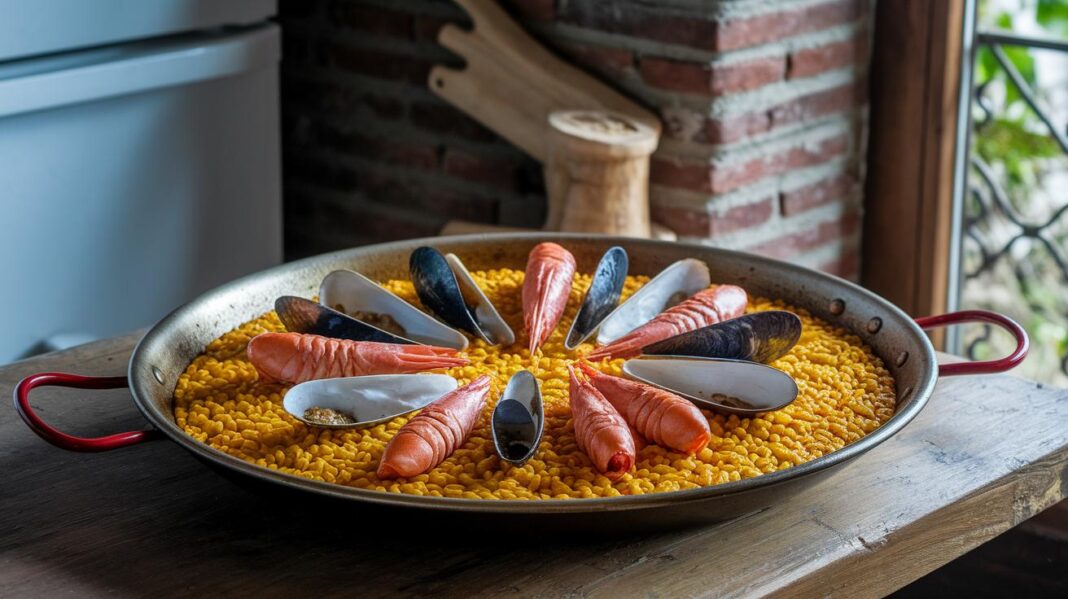

Have you ever wondered if a classic dish could change the way you cook? Paella Valenciana brings centuries of Spanish tradition to your table. This recipe mixes Spanish rice, chicken, rabbit, and fresh veggies into a hearty meal that is both satisfying and colorful. Each bite fills your senses with rich flavors that have been cherished for generations. So, heat your pan and enjoy a true taste of Valencian heritage right in your kitchen.
Complete Paella Valenciana Recipe Overview
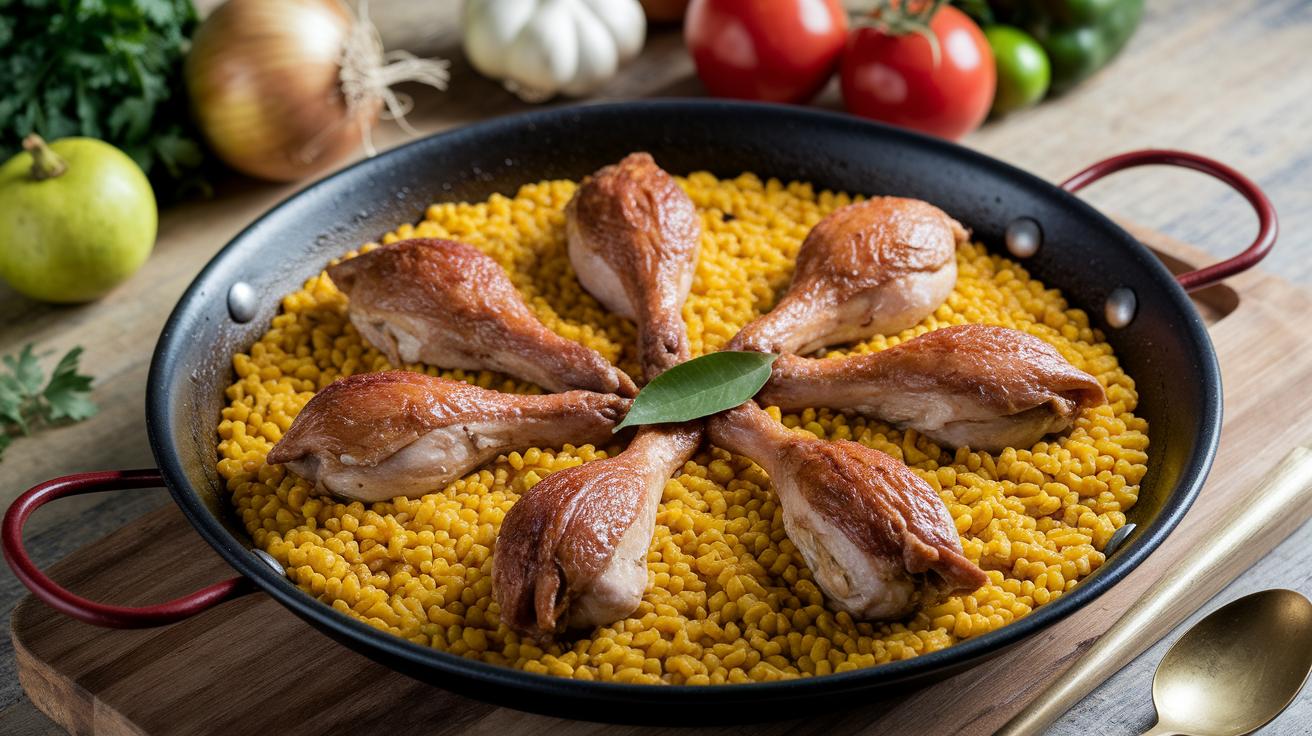
This classic Spanish rice dish serves 4 to 6 people and brings together favorites like Spanish Bomba rice, rabbit, chicken, green beans, butter beans, olive oil, and saffron. It’s a wonderful introduction to Valencian cooking, with flavors that have been cherished for generations.
- Heat some extra-virgin olive oil in a 12" x 2" paella pan or a wide skillet.
- Add chopped onion, sliced bell pepper, minced garlic, and diced tomato. Toss in a bay leaf, smoked paprika, and saffron. Sauté for about 5 minutes until the onion turns soft and fragrant.
- Place the rabbit and chicken pieces in the pan. Brown them lightly so they lock in their flavor.
- Stir in the Spanish rice, then pour in 4 cups of chicken stock. Bring the mixture to a simmer and let it cook for about 20 minutes until the liquid is absorbed.
- Cover the pan and let the dish rest for 5 minutes before serving. Enjoy the flavors as they settle and blend.
Happy cooking and enjoy your meal!
Essential Ingredients for Paella Valenciana

| Ingredient | Quantity | Notes |
|---|---|---|
| Spanish Bomba rice | 2 cups | Choose high-quality rice so it soaks up the flavors well |
| Extra-virgin olive oil | 4 tablespoons | Select a premium Spanish olive oil for a rich taste |
| Medium onion, chopped | 1 | Chop finely to ensure even cooking |
| Red bell pepper, sliced | 1 | Cut into thin strips for a fresh crunch |
| Garlic cloves, minced | 3 | Mince well to build a strong flavor base |
| Ripe tomatoes, diced | 2 | Dice into small pieces for a saucy texture |
| Bay leaf | 1 | Add for a warm, aromatic infusion |
| Smoked paprika | 1 teaspoon | Brings a rustic smoky note to the dish |
| Saffron strands | 1/2 teaspoon | Steep in warm stock to release its color and aroma |
| Rabbit pieces | 1 lb | Use bone-in pieces to boost the flavor |
| Chicken pieces | 1 lb | Bone-in pieces add a richer taste |
| Green beans, trimmed | 6 oz | Trim for a nice, crisp texture |
| Butter beans | 1 cup | Add for a smooth, creamy contrast |
| Chicken stock (or water) | 4 cups | Stock gives more depth, but water works in a pinch |
| Salt | To taste | Season as needed during the cooking process |
Traditional Cooking Techniques for Paella Valenciana
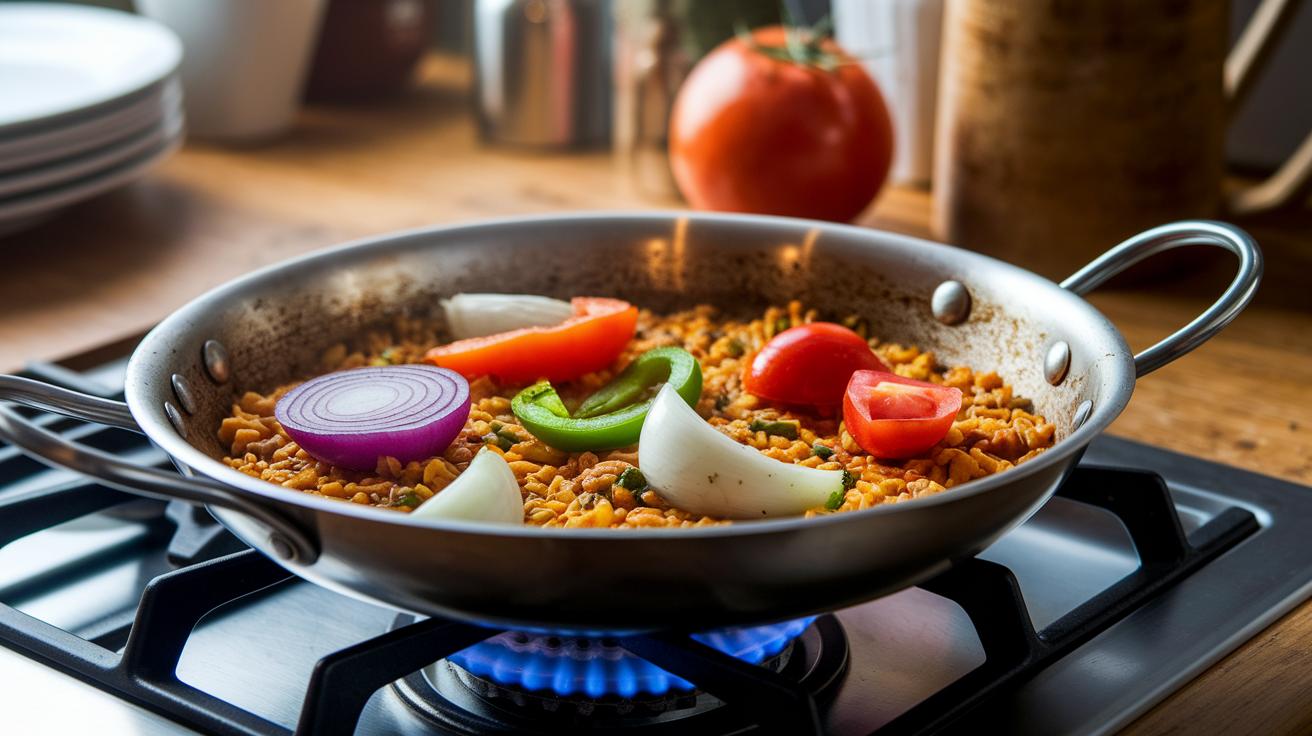
Traditional Valencian paella was once made over an open fire in a wide, shallow pan. This method spread heat evenly and gave the dish a gentle, smoky flavor. Today, many cooks use a 12"x2" pan on a stovetop to achieve similar even heating. We swap water for chicken stock to boost flavor and create a rich, sauce-like consistency. This modern twist keeps the charm of the old recipe and makes it easy to enjoy authentic paella at home.
Sauteing the vegetables builds a deep flavor base before adding rice. Start by cooking chopped onion, sliced bell pepper, minced garlic, and diced tomato over medium heat. Add a bay leaf, smoked paprika, and saffron that has steeped in warm stock. Cook until the vegetables soften. Next, stir in the rice, then gently layer in the meats and beans so each grain cooks evenly. This careful layering and heat control give the paella its classic, slow-cooked texture and a perfectly crisp bottom.
Selecting the Best Rice, Saffron & Stock
Different types of Spanish rice each add their own touch. Bomba rice holds its shape well, while Calasparra rice has a naturally nutty flavor from its unique growing area. Ask your supplier about the region to pick the right rice for your paella. One supplier explained that Calasparra rice from Murcia delivers a distinct, nutty taste in every bite.
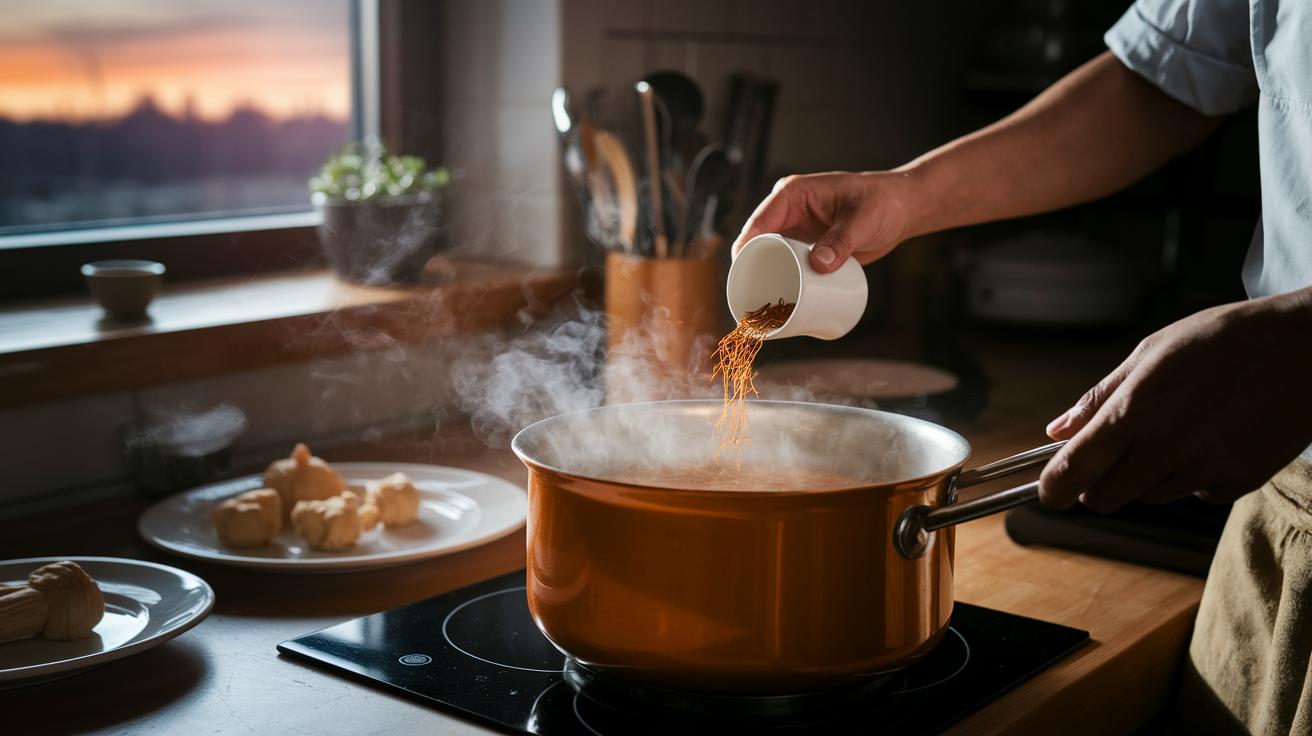
When using saffron, steep a pinch in warm stock for a few minutes to bring out its bright color and aroma. For a richer flavor, try making a slow-simmered stock by lightly roasting chicken or vegetables with herbs. A seasoned chef shared that slow simmering creates a stock with deep, layered flavors that really elevate the dish.
Step-by-Step Paella Valenciana Recipe Instructions
-
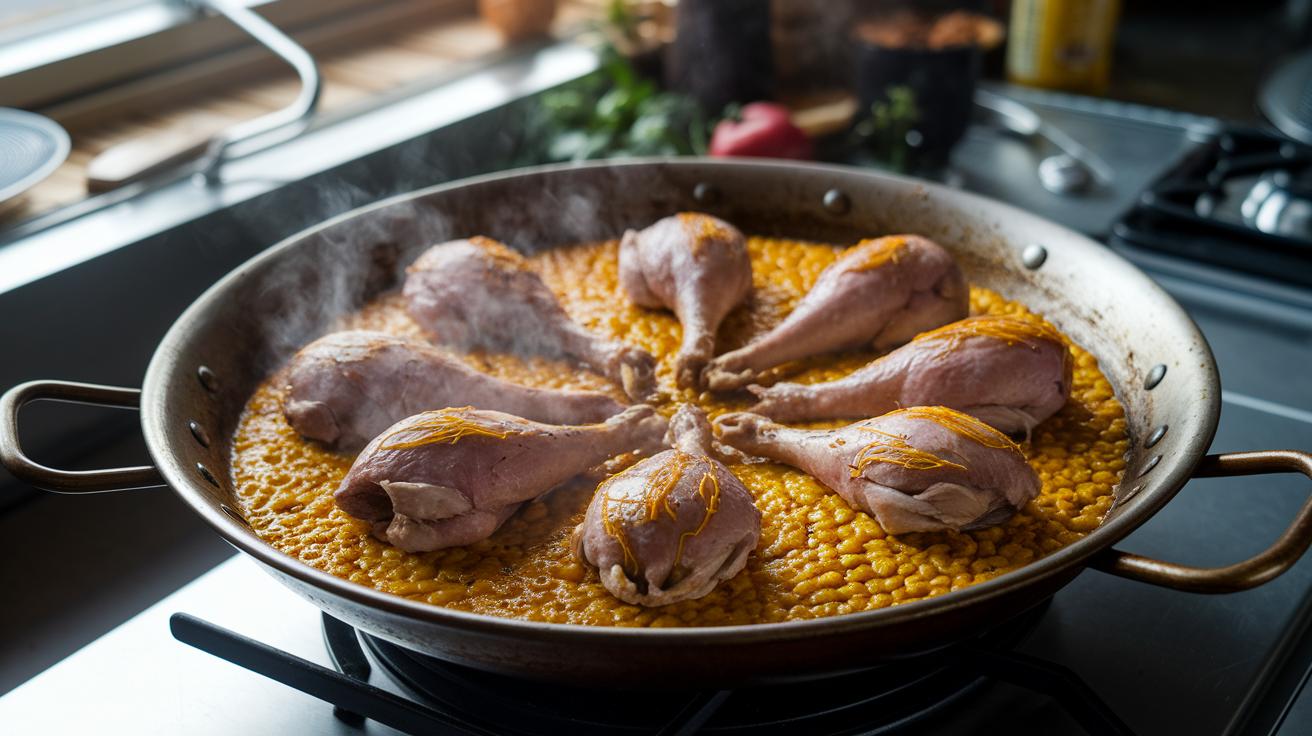
Preheat a 12 x 2 inch paella pan with 4 tablespoons extra-virgin olive oil over medium heat. Warm the oil until it shimmers to get it ready for all the flavors.
-
Add chopped onion, sliced red bell pepper, minced garlic, diced tomato, one bay leaf, 1 teaspoon smoked paprika, and ½ teaspoon steeped saffron. Sauté on medium heat for 5 minutes until the onion softens and becomes translucent.
-
Place 1 lb of rabbit pieces and 1 lb of chicken pieces into the pan. Brown them on all sides to build a deep, savory flavor.
-
Stir in 2 cups Spanish Bomba rice. Toast the rice gently for 2 minutes so each grain absorbs the delicious oil and spices.
-
Pour 4 cups chicken stock evenly into the pan. Spread it out so every grain is bathed in the aromatic liquid.
-
Bring the mixture to a simmer on medium heat and avoid stirring. This helps a tasty layer form at the bottom of the pan.
-
Let the paella cook undisturbed for 20 minutes over medium-high heat, allowing the liquid to gradually soak into the rice.
-
Increase the heat for the last 2 minutes. This step creates a prized crunchy rice bottom called socarrat.
-
Remove the pan from the heat, cover it, and let it rest for 5 minutes. This short rest helps all the flavors come together.
-
Garnish with lemon wedges and fresh herbs, then serve straight from the pan. A squeeze of lemon adds a bright, tangy finish to every bite.
Mastering the Socarrat: Crispy Rice Tips

Socarrat is the crunchy, toasted layer that forms at the bottom of your paella pan. It appears when most of the stock is absorbed and the rice turns a lovely golden brown. This crisp base adds a fun texture and deep flavor to your paella, showing off the care you put into your cooking.
For best results, try these tips:
- In the final 2 minutes of cooking, turn up the heat so extra liquid evaporates. This helps the rice firm up into a crispy layer.
- Let the rice sit undisturbed during this time. Avoid stirring or scraping it so the socarrat can form naturally.
- Check your liquid level before the last simmer. Make sure there is just enough for even heat across the pan.
Follow these simple steps to get a deliciously caramelized base that takes your paella to the next level. Enjoy the process and have fun perfecting your socarrat!
Serving, Garnishing & Pairing Paella Valenciana

Serve your paella straight from the pan for an authentic look and feel. Using the 12 x 2 inch paella pan keeps the rice warm and shows off the crispy socarrat at the bottom. Add lemon wedges and a sprinkle of chopped fresh parsley to brighten the dish and boost the flavor. Each squeeze of lemon brings out the natural taste and honors the Spanish roots of this recipe.
Pair your paella with a dry Spanish white wine like Albariño or a crisp rosé that works well with the layered flavors. Serve with simple sides such as crusty bread to soak up the juices or a mixed green salad for a refreshing touch. Enjoy every bite and share your own twists with friends.
Variations & Dietary Substitutions for Paella Valenciana

If you want a meatless version, leave out rabbit and chicken and use hearty vegetables like artichokes, peas, zucchini, or bell peppers instead. These veggies give the dish a light, fresh taste while keeping the classic puff of saffron rice that makes paella so loved.
For fans of seafood, add shrimp and mussels. The shrimp bring a gentle sweetness, and the mussels add a salty note. They blend perfectly with the smoky base and vibrant spices, turning your paella into a joyful mix of land and sea flavors.
To suit different dietary needs, swap out Bomba rice for medium-grain Calrose rice and cut the stock to 3¾ cups. You can also use vegetable stock or a low-sodium option to keep the flavor strong yet lighter. This tweak makes the dish easier to enjoy at home while staying true to its Spanish roots.
Historical & Cultural Background of Paella Valenciana
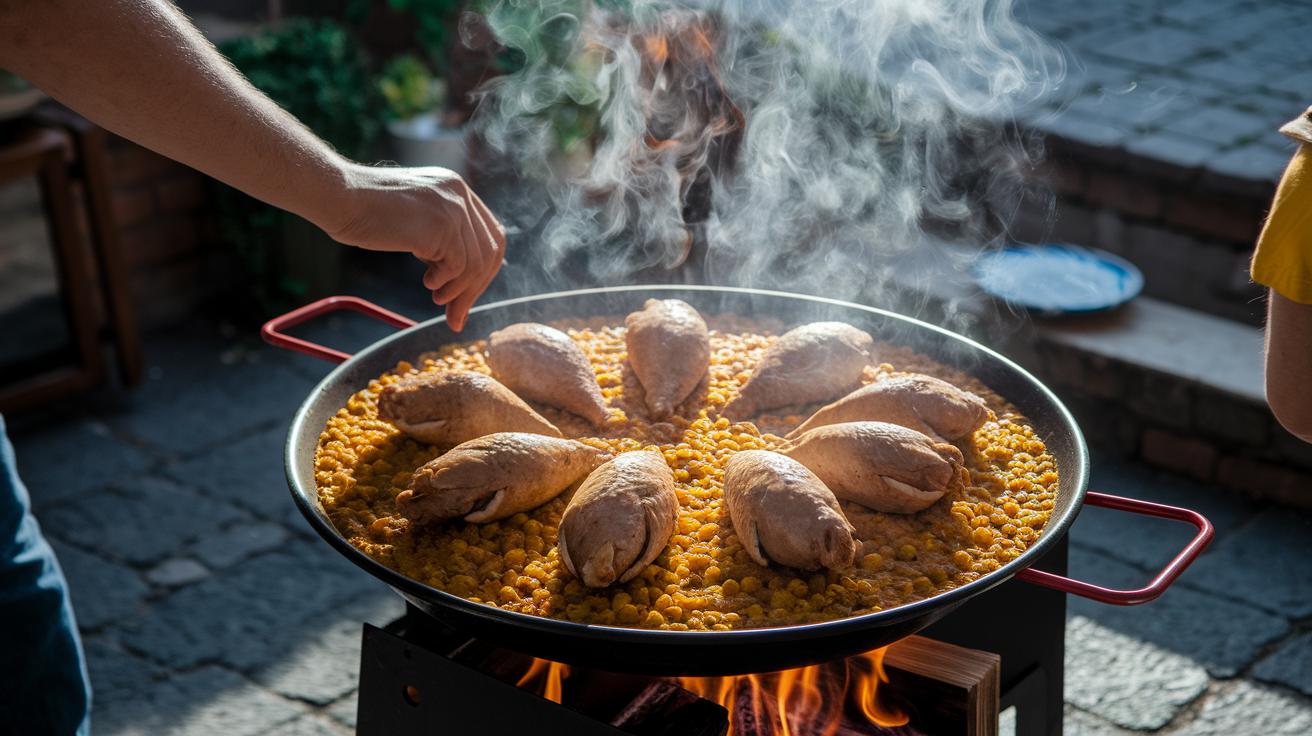
Peasant rice farmers in Valencia began making paella Valenciana in the mid-1800s. They used chicken and rabbit with local vegetables and a pinch of saffron. They cooked the dish over a wood fire, which adds a smoky taste. Families often joined together, sharing both the work and the meal.
Today, paella Valenciana is a proud symbol of Spanish food and community. Modern cooks use today’s kitchen tools but still honor its simple roots. It is a favorite at family gatherings and festive meals, reminding everyone of its honest beginnings and the joy of sharing good food.
Final Words
In the action, we broke down every step of our paella valenciana recipe to make it easy and fun. We covered essential ingredients, traditional techniques, and even tips for that prized crispy socarrat. Each section gave clear, tested steps so you can confidently create a dish that serves 4–6 people. The guide offered choices for substitutions and paired flavors that match your busy weeknight timeline. Enjoy your cooking and make your paella a centerpiece that brings a lively taste of Spanish heritage to your table.
FAQ
What are the key ingredients in a traditional Paella Valenciana?
The traditional Paella Valenciana includes Spanish Bomba rice, rabbit, chicken, green beans, and butter beans, along with olive oil, garlic, tomato, bell pepper, bay leaf, smoked paprika, and saffron.
How does a traditional Paella Valenciana recipe differ from other paella versions?
The traditional recipe is unique with its use of rabbit and chicken, local vegetables, and a specific rice type, all cooked in a wide, shallow pan to create a distinct crispy layer at the bottom.
What distinguishes Valencian paella from arroz Valenciana?
Valencian paella features local meats and vegetables fried in olive oil, while arroz Valenciana generally refers to a broader style using similar ingredients, yet may vary in meat and cooking techniques.
What’s the secret to perfect paella?
Perfect paella relies on even rice distribution in a wide pan, precise control of liquid heat, and a brief high-heat finish to develop a deliciously crispy bottom known as socarrat.
What variations can be made to a Paella Valenciana recipe?
Variations include replacing meats with vegetables for a vegetarian option or adding seafood like shrimp and mussels, while making slight stock adjustments to suit your taste.
How do dishes like arròs negre and fideuà compare to Paella Valenciana?
Arròs negre uses squid ink for a bold color and taste, while fideuà swaps rice for noodles, offering different textures and flavors from the traditional Paella Valenciana.
How are ingredients selected and prepared for an authentic Paella Valenciana?
The ingredients are chosen for their local quality, with rice and saffron offering color and aroma; vegetables are sautéed, and meats are browned carefully to build rich, layered flavors.
What role do cooking techniques play in making Paella Valenciana?
Cooking techniques are vital, with steps like careful sautéing, timed stock additions, and a final heat boost to form socarrat ensuring the dish turns out flavorful and true to tradition.