
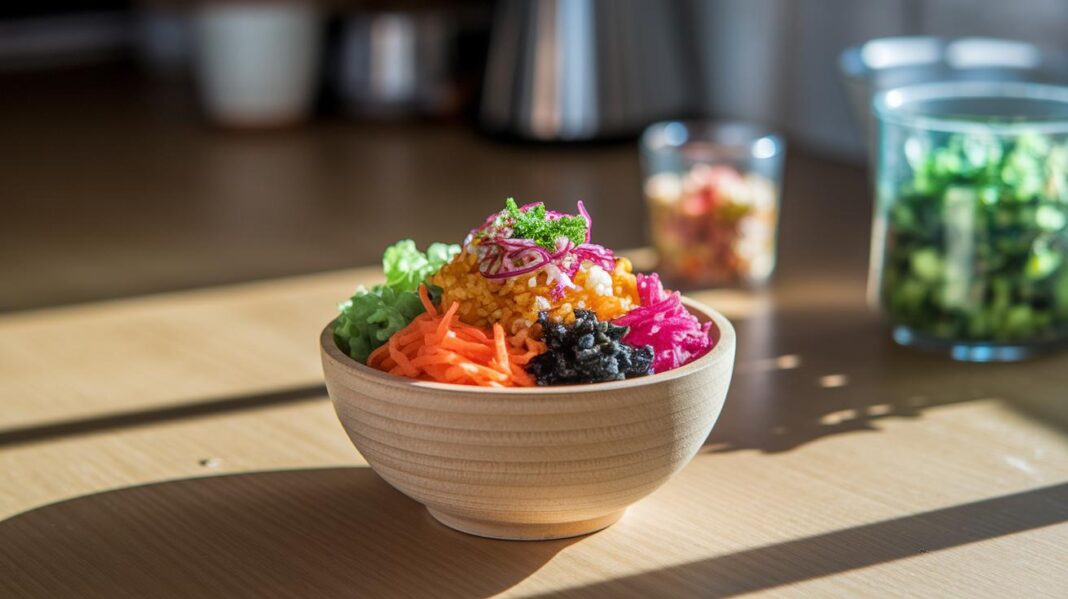

Have you ever wondered why the poke bowl is so popular? This dish mixes fresh raw tuna with soft rice and crunchy veggies, giving you a burst of lively flavors and textures. It combines Japanese cooking techniques with Hawaiian ingredients for a truly fresh taste. Every bite feels like a little island adventure. Let's dig in and see why kitchens everywhere love this dish.
what is poke bowl: A Flavorful Creation
A poke bowl is a Hawaiian rice dish that starts with a base of white rice and features raw fish, usually sushi-grade tuna. The fish is cut into small pieces (the word poke means "to cut"), then mixed with fresh vegetables and tasty add-ons. The result is a mix of smooth textures and bright flavors that feels both fresh and satisfying.
Japanese culinary traditions helped shape this dish. When Japanese immigrants arrived in Hawaii during World War II, they brought their skill with raw fish and precise slicing techniques. They blended these traditions with local ingredients, creating a dish that pairs familiar Japanese flavors with vibrant tropical touches. This cross-cultural mix is what makes poke bowls popular in kitchens everywhere.
Key Ingredients in a Traditional Poke Bowl
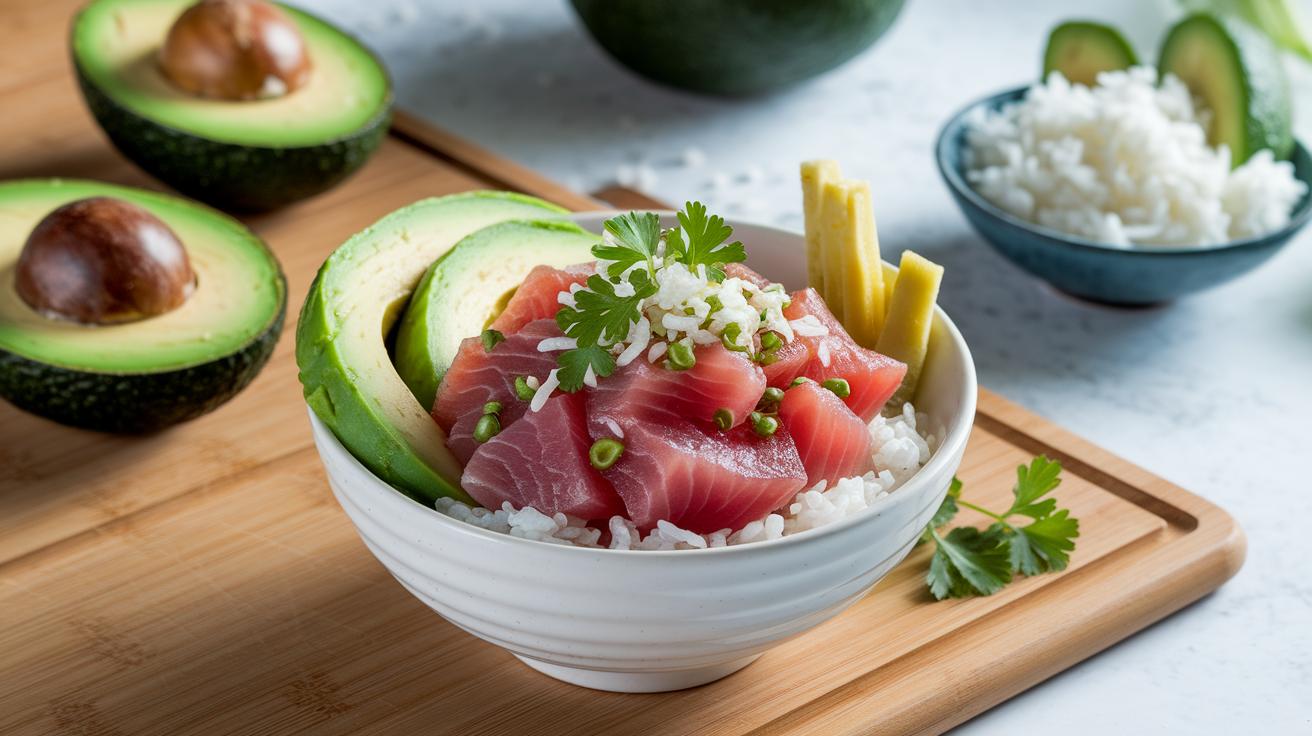
This poke bowl brings together fresh, top-notch ingredients with a classic Hawaiian vibe and a modern twist. We use sushi-grade ahi tuna cut into bite-size pieces for the best flavor and safety. The coconut rice gives a soft, fragrant base, while veggies and toppings add a fun mix of textures and tastes.
- 12-16 oz sushi-grade ahi tuna, cut into bite-size pieces
- Coconut rice, made on the stove, in a rice cooker, or using an Instant Pot
- A small piece of jicama or daikon, peeled and sliced for crunch
- Sriracha aioli made with 1/2 cup mayonnaise for a creamy, spicy touch
- Ripe avocado, sliced for a smooth, buttery feel
- Fresh scallions, chopped for a mild onion flavor
- A mix of veggies like cucumber or radish to round out the flavors
Using these ingredients together makes each bowl wholesome and colorful. Fresh produce kept right until serving adds extra crispness, and trusted specialty markets help ensure quality in every bite. Enjoy your poke bowl as a restaurant-quality treat at home.
How to Make a Homemade Poke Bowl: Step-by-Step Guide
Making your own poke bowl is fun and easy. I love how the fresh flavors and textures work together in every bite. This guide shows you six simple steps to create a tasty bowl using fresh sushi-grade ahi tuna, coconut rice, and crunchy veggies.
-
Cook your coconut rice using your favorite method (stove top, rice cooker, or Instant Pot). Let the rice cool completely so it holds its shape well as the base of your bowl.
-
Dice 12 to 16 ounces of sushi-grade ahi tuna into even, bite-size pieces. This helps keep the tuna safe for raw eating and gives every spoonful a nice balance.
-
Peel and slice a small piece of jicama or daikon. These add a cool, refreshing crunch that pairs perfectly with the soft rice and tender tuna.
-
In a bowl, toss the tuna with Sriracha aioli (made from 1/2 cup mayonnaise). This gives the fish a mild, spicy kick while coating it evenly.
-
Layer your bowl by first adding the cooled coconut rice. Next, add the marinated tuna, and then include any extra veggies you enjoy to enhance both texture and flavor.
-
Drizzle a little extra Sriracha aioli on top. Garnish with chopped scallions or avocado slices to add a bright pop of color and creaminess.
A quick tip: Prepare and cool the rice ahead of time, and keep the ingredients apart until you’re ready to serve. This keeps each component at its best and makes your poke bowl delicious every time.
Variations and Customization Options for Poke Bowls

Poke bowls are full of creative twists. Instead of the classic ahi tuna, try swapping in salmon for a smooth, rich flavor or yellowtail for a hint of sweetness. If you prefer cooked seafood, use shrimp or crab to add a tender, familiar taste. Vegetarians will love marinated or lightly seared tofu, and cooked chicken offers a hearty spin. These protein swaps let you craft a poke bowl that suits your taste while keeping it flavorful and fun.
The bowl’s base is just as flexible. Rather than sticking to coconut rice, experiment with a gluten-free option like quinoa, which brings a nutty flavor and a pleasantly chewy texture. If you’re keeping it low-carb, try zucchini noodles or cauliflower rice for a light, crunchy foundation. Mix these bases with your favorite sauces and toppings to create layers of texture and taste that reflect your personal culinary style.
Nutritional Profile and Health Benefits of Poke Bowls
Poke bowls are a balanced meal loaded with good protein from fresh fish. This protein helps build muscle and keeps you strong. A typical bowl has 500 to 700 calories and a mix of lean protein and healthy fats. Using sushi-grade fish means you get omega-3 fatty acids and vitamin D, which are great for your heart, brain, and bones. It’s like a power-packed meal that fuels your body without overdoing the calories.
Besides protein, poke bowls bring together a range of nutrients that work in harmony. Fresh fish, crisp vegetables, and a tasty finishing drizzle join forces to ease inflammation and support your immune system. The result is a simple, delicious meal that nourishes your body while tasting great.
Poke Bowl Cultural Impact and Global Popularity
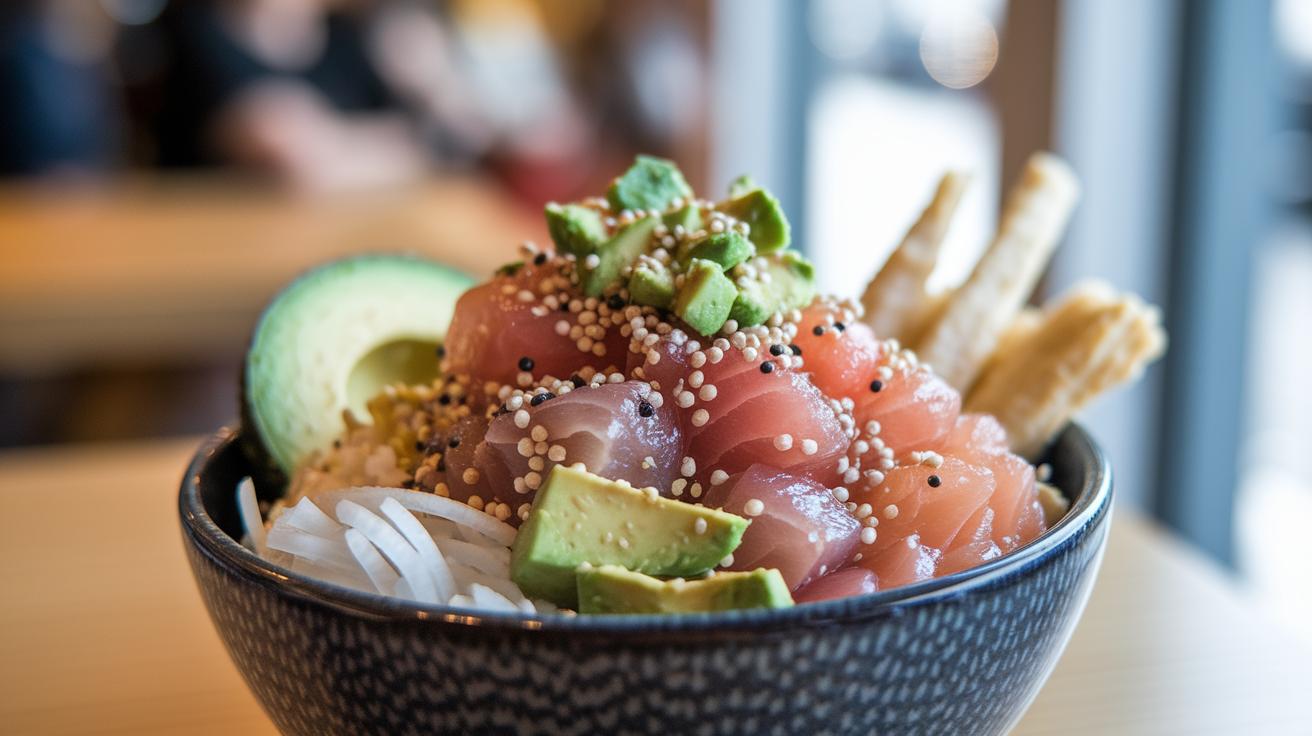
Poke bowls started as a beloved dish in Hawaii and quickly spread across the United States. Today, you can enjoy them at food trucks, casual eateries, and even in franchise restaurants that add their own creative twists. Many stores now offer pre-made bowls or kits, making it easy for everyone to enjoy this tasty meal at home. It has moved from a niche treat to a regular option on menus in both big cities and small towns.
This dish mixes Japanese sushi techniques with fresh local flavors. Crunchy vegetables and soft, marinated raw fish come together to create a bowl full of texture and taste. The careful slicing and neat presentation add a special touch that makes the dish stand out. Its customizable nature and light, fresh flavor continue to win over new fans everywhere.
Tips for Selecting and Storing Fresh Fish for Poke Bowls
When making a poke bowl, start with sushi-grade fish from a trusted market. Look for fish with a bright color, firm feel, and a fresh, clean smell. Ask your fishmonger if the fish is kept cold from the moment it is caught until it reaches the counter. If it smells too fishy or looks dull, it may not be fresh enough for raw dishes.
Keep your fish in the coldest part of your fridge right after you buy it and use it within 24 hours. Wrap it well and keep it away from other foods to prevent cross-contamination. Choosing fish from sustainable sources supports marine conservation while ensuring your bowl tastes great and is ethically prepared.
Final Words
In the action, this article covered a poke bowl definition, its Hawaiian roots, essential ingredients, and practical steps to create a tasty meal at home. We shared ideas for customizing your bowl, discussed its nutritional perks, and highlighted the dish's global twist through cultural influences.
We also pointed out tips on picking and storing fresh fish, so you can confidently prepare your meal. Overall, understanding what is poke bowl opens up a world of flavors and easy weeknight cooking. Enjoy the creative process and a delicious meal ahead!
FAQ
How to pronounce poke bowl?
The term “poke bowl” is pronounced as “poh-keh bowl,” reflecting its Hawaiian origin where “poke” means “to slice or cut.”
What is poke bowl salmon?
The poke bowl salmon variation uses raw, sushi-grade salmon instead of traditional tuna, offering a fresh twist on the classic Hawaiian dish with the same mix of rice, vegetables, and sauce.
What is poke bowl Hawaiian?
The poke bowl Hawaiian refers to the original style from Hawaii which features cubes of raw fish, typically tuna, mixed with rice, vegetables, and a flavorful sauce inspired by local and Japanese influences.
What is poke bowl sauce?
The poke bowl sauce usually means a tangy and spicy drizzle, often a Sriracha aioli that brightens the rich, fresh flavors of the raw fish and other bowl ingredients.
Is poke bowl safe to eat?
The poke bowl is safe to eat when made with sushi-grade fish from trusted sources, properly refrigerated and prepared with clean handling to avoid any food safety issues.
Is poke bowl healthy?
The poke bowl is healthy since it delivers lean protein, omega-3 fatty acids, and fresh vegetables that contribute to heart health, brain function, and overall balanced nutrition.
Is Poké bowl Halal?
The Poké bowl can be Halal if all ingredients, including the fish and sauces, come from Halal-certified sources, so always check with your supplier or restaurant for certification.
Why is it called a poke bowl?
The poke bowl is called so because “poke” means “to slice or cut” in Hawaiian, describing the traditional method of preparing the raw fish for this flavorful dish.
Is the meat raw in a poke bowl?
The meat in a traditional poke bowl is raw, typically featuring sushi-grade fish like tuna or salmon for its fresh texture and authentic flavor profile.
What is normally in a poke bowl?
A typical poke bowl usually includes a base of rice, cubes of raw, sushi-grade fish, fresh vegetables, and a tasty sauce, all combined to create a balanced, flavorful meal.