
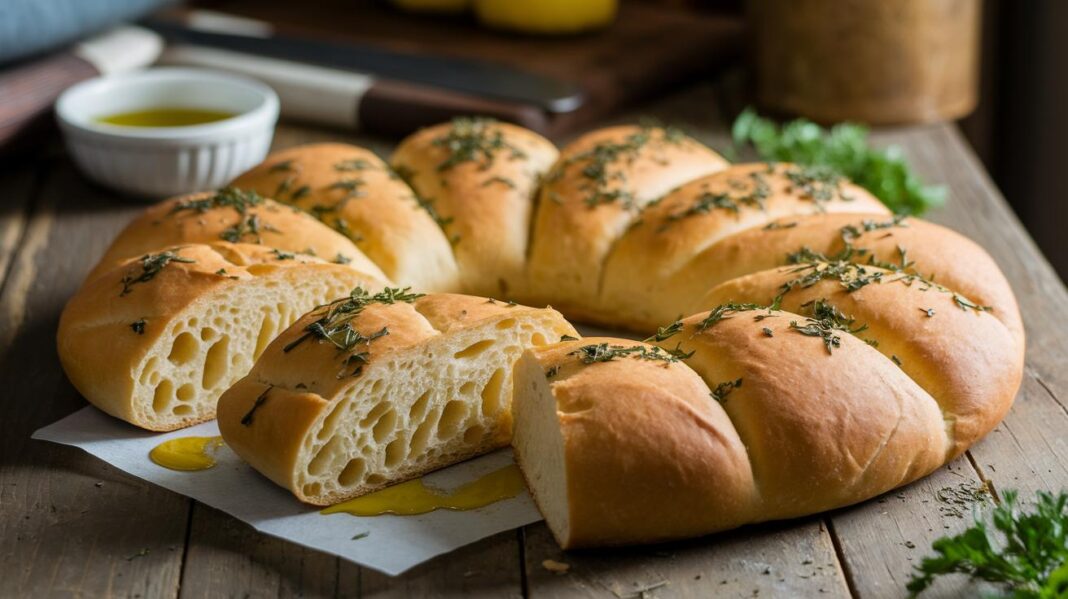

Have you ever wondered why focaccia bread gets people talking? This Italian flatbread is more than just a side dish, it brings a warm, home-cooked vibe to your table. It features a soft center and a crisp, golden edge, all built from simple ingredients like flour, olive oil, and fresh rosemary. Today, I'll share its story and give you easy tips to bring a taste of Italy into your own kitchen.
Focaccia Bread: Definition and Origins
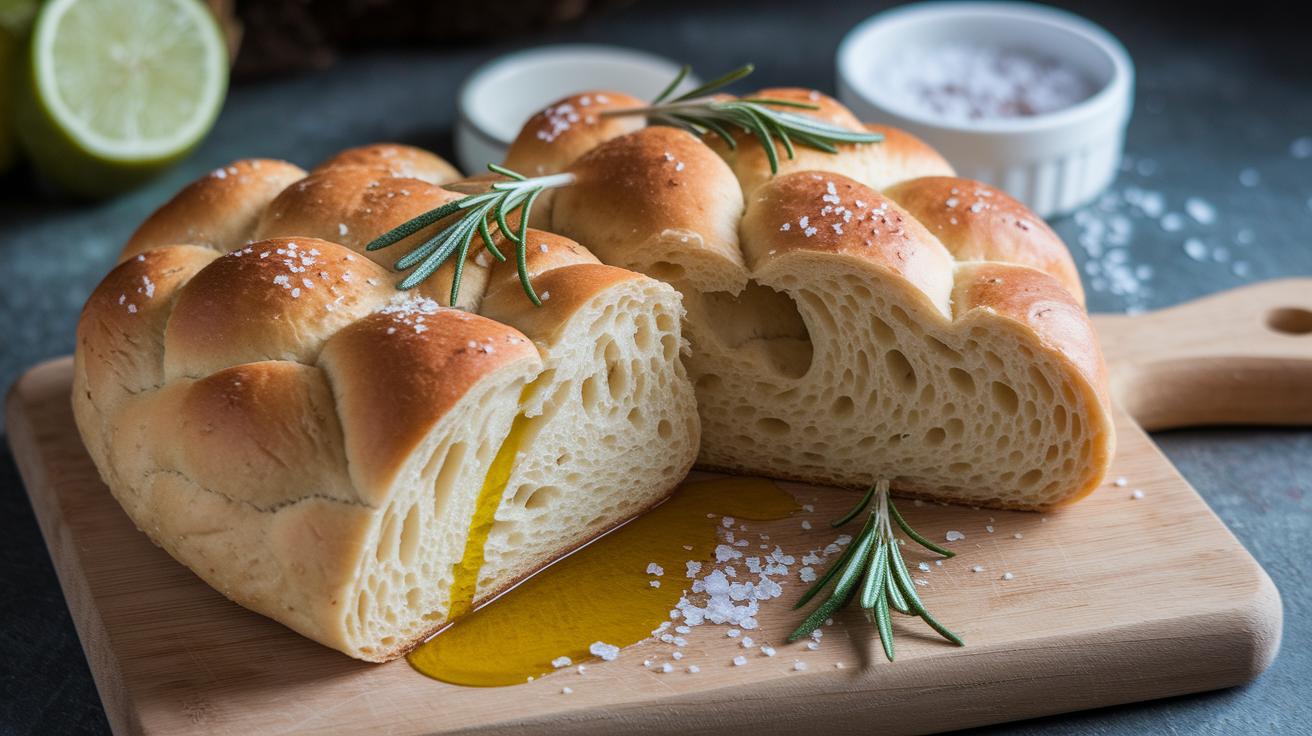
Focaccia bread is a classic Italian flatbread with yeasted dough. It comes from Liguria, especially the city of Genoa. The dough is much like pizza dough. You mix flour, water, yeast, and olive oil, then top it off with more olive oil, rock salt, and fresh rosemary. The result is bread that is soft and airy inside with a light, crunchy edge.
This bread has been a home favorite in northern Italy for many years because of its simple yet rich flavors. To make it, you first wake up the yeast by stirring in a bit of sugar or malt with warm water. Next, you slowly add the flour and olive oil. When the bread bakes, the olive oil creates a golden, crisp edge while keeping the middle moist. Fresh rosemary and other optional herbs give the bread a pleasant, pine-like scent that makes it even more delicious.
Focaccia is very versatile. Enjoy it on its own, serve it with your meal, or use it to make a hearty sandwich with Italian meats and cheeses. Every bite is a taste of true Italian tradition.
Essential Ingredients for Authentic Focaccia Bread
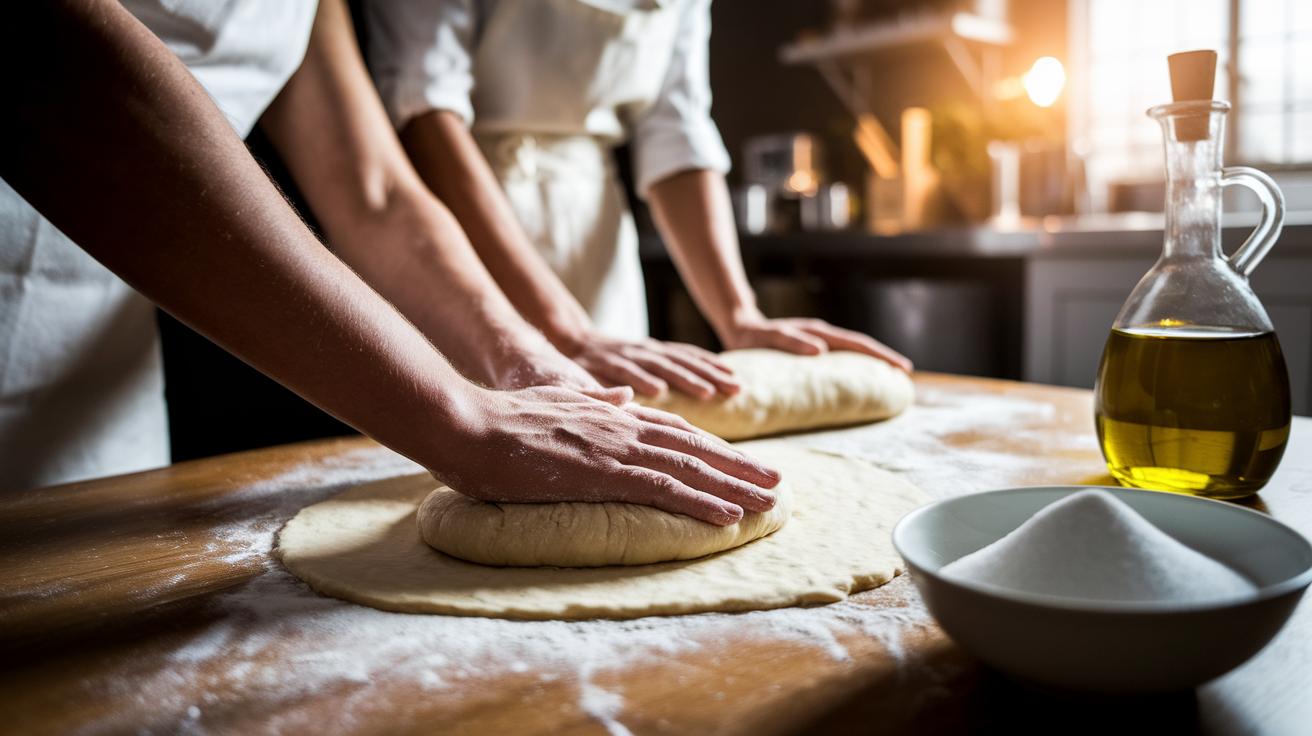
Focaccia is all about a few key ingredients that give it that special texture and flavor. First, start with lukewarm water (110°F–120°F) to wake up your active dry yeast gently. Add a pinch of sugar or a little honey and let it sit for 5 minutes until it gets foamy. This simple step helps the dough rise nicely.
Next, choose a flour that works well for a good structure. Use strong all-purpose or bread flour with at least 11.5% protein to create a chewy and airy interior. A bit of sea salt not only seasons the dough but also helps tighten its surface.
Olive oil is a must. Mix in at least ½ cup to give the dough a rich feel and a crisp finish. For an extra boost, brush more olive oil on top before baking.
Finally, stir in 2 tsp of fresh chopped rosemary for that classic Italian flavor. You can also experiment with other herbs like thyme, basil, sage, or chives for your own twist.
Key Characteristics and Texture Profile of Focaccia Bread
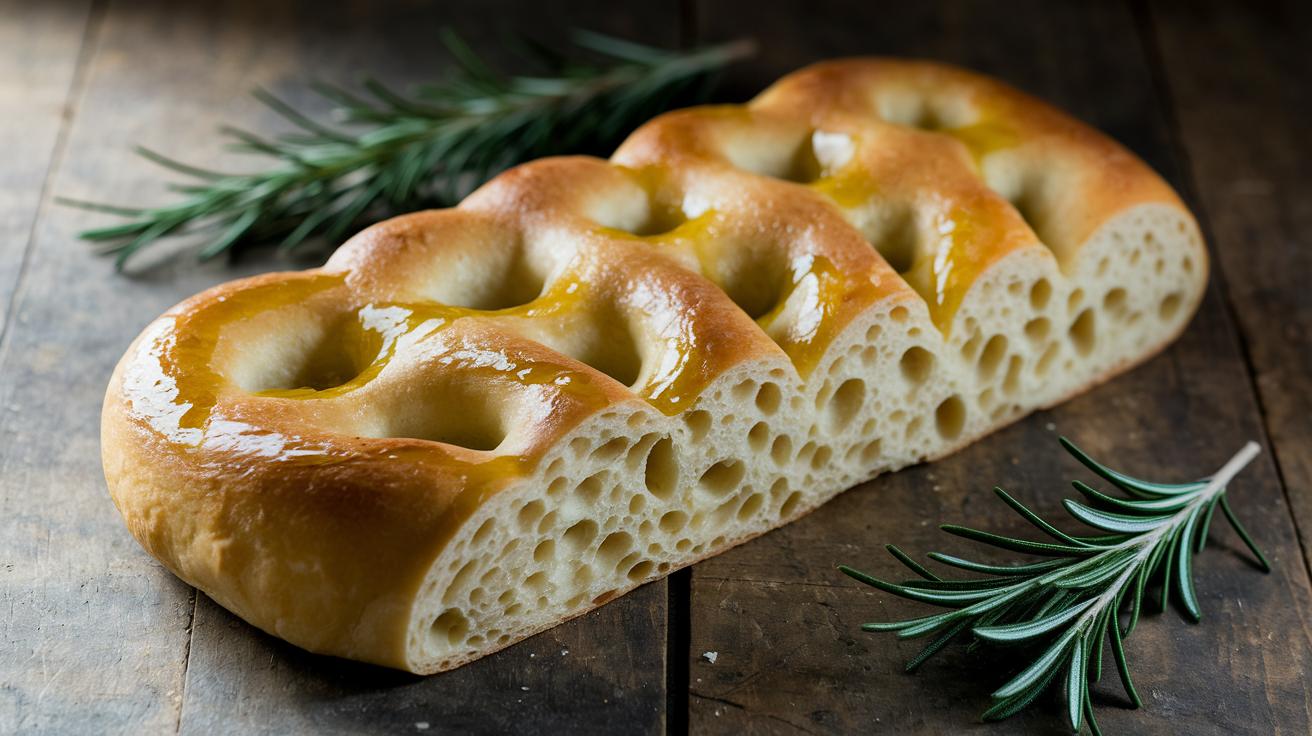
Focaccia is a delight to bite into. It has a crisp, olive oil-coated crust paired with a soft, airy inside. Each dimple on the surface collects golden pools of oil, adding extra crunch with every bite.
Using bread flour gives the bread a firm, substantial texture, while all-purpose flour makes it softer and lighter. A few bursts of salt and a sprinkle of rosemary create layers of flavor that make each slice unique.
Imagine taking a bite that starts with a satisfying crunch and then transitions into a light, tender crumb. Each part works together to give you an unforgettable, sensory experience.
Traditional Baking Methods for Focaccia Bread
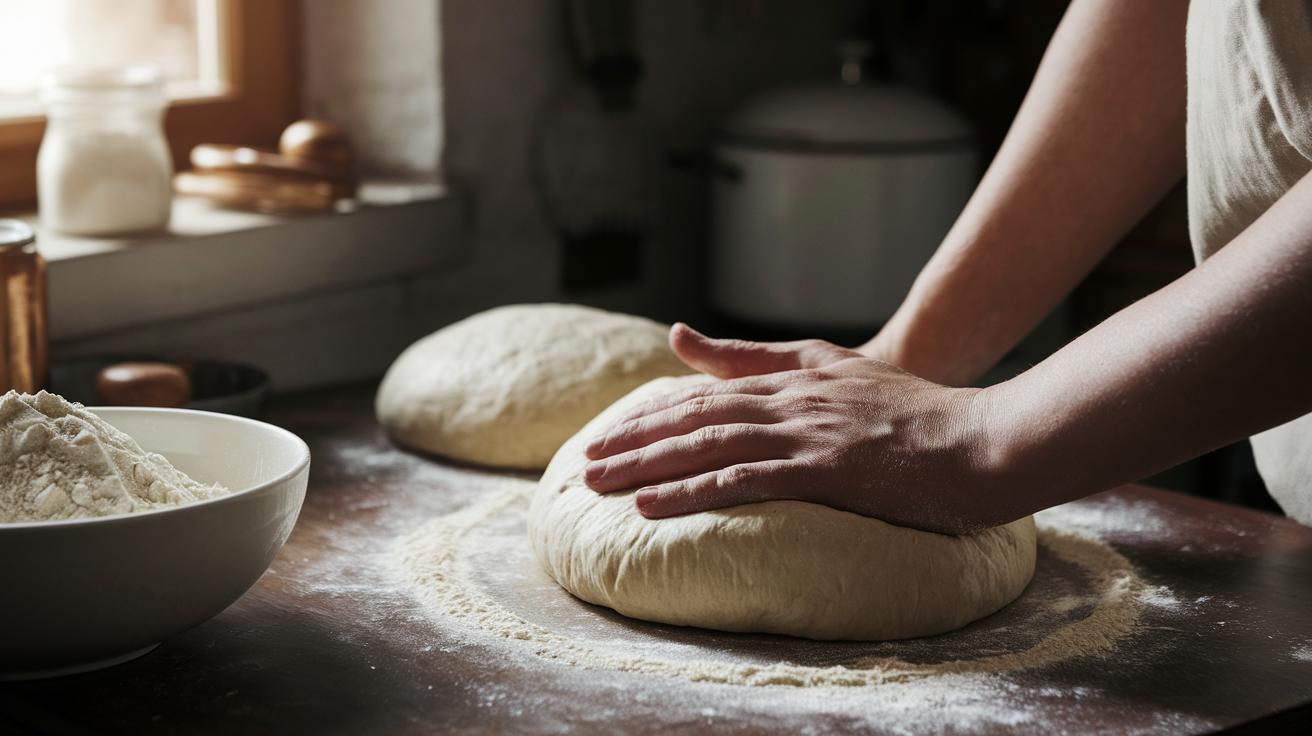
Focaccia bread is a classic flatbread that brings together simple ingredients and old-school techniques. Start by proofing your yeast in warm water (110°F to 120°F) with a pinch of sugar. Let it sit for 5 minutes until the water turns bubbly, this means your yeast is alive and ready.
Mix the foamy yeast with your flour and olive oil. You can either knead the dough by hand or use a stand mixer with a dough hook. Knead for 6 to 7 minutes until the dough becomes smooth and elastic. This step helps build the gluten, which gives your focaccia a soft inside and a crisp edge.
Next, let the dough rise in a warm spot for about 45 minutes until it feels puffy. When it’s ready, shape the dough into a ball on a lightly floured surface. Then, gently press it into a well-oiled 9×13-inch metal pan. Use your fingertips to press small dimples all over the dough. These dimples catch extra olive oil and create the signature texture of focaccia. After dimpling, evenly drizzle salt-brine (mix about 1/3 cup salt with lukewarm water) over the top for added flavor and a light crunch.
Preheat your oven to 450°F. Bake your focaccia on a baking stone or an upside-down, heavy-duty baking sheet. The high temperature quickly sets the crust while keeping the inside airy. For a different twist, try an overnight no-knead method by letting the dough rise slowly in the fridge for up to 3 days before baking. Enjoy the process and share your tasty creation with family and friends!
what is focaccia bread: Tasty Italian Tradition
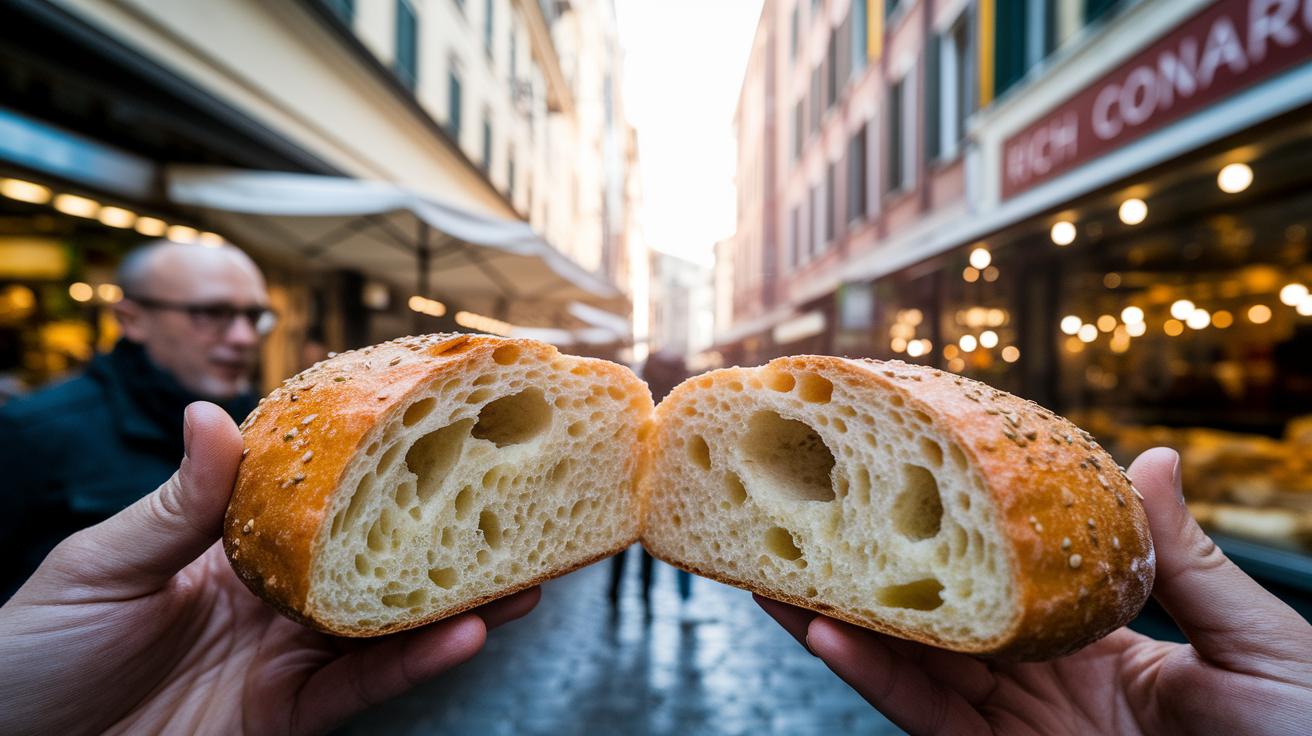
Focaccia bread started as an ancient Roman flatbread in Liguria. Over time, it evolved into a beloved food in Italy. In Genoa, locals enjoy it as more than just daily bread. Bakers slice it in half to create tasty panini filled with prosciutto, mortadella, salami, or goat cheese.
Many enjoy focaccia with soups and salads, while others love it on its own to taste its olive oil-rich flavor and dimpled texture. Every bite offers a direct link to centuries of Mediterranean cooking traditions.
Variations and Creative Serving Ideas for Focaccia Bread
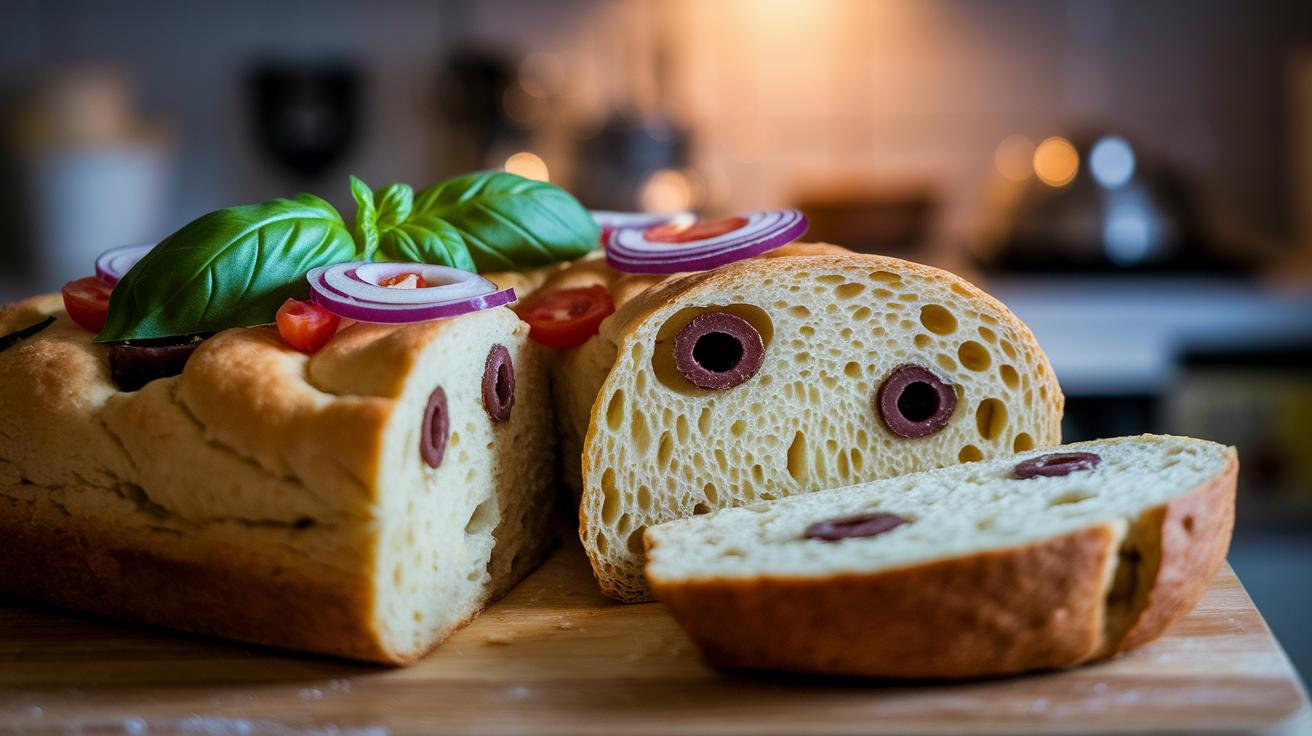
Focaccia is a great base for new flavor ideas. Instead of sticking to rosemary and sea salt, try adding different toppings. You might top your focaccia with olive slices, caramelized onions, heirloom tomatoes, various cheeses, or even flavored salts. Imagine a slice with tangy cheddar and a touch of basil, it really brings Italian flavors to life.
You can also turn focaccia into a hearty sandwich. Simply slice it in half horizontally, then fill it with Italian meats like prosciutto or salami and cheeses such as provolone or mozzarella. This makes a filling meal that works well for lunch or a relaxed dinner.
Another idea is to use focaccia as a pizza base. Top it with wine tomatoes and a sprinkle of oregano. Or, cut the bread into sticks for dipping in herb-infused oil or a balsamic vinegar reduction.
Try these toppings either on their own or in combination:
- Olive slices
- Caramelized onions
- Heirloom tomatoes
- Cheeses
- Flavored salts
These ideas let you mix different textures and tastes. Experiment with one topping at a time, or combine a few, until you find a mix you love.
Storage Recommendations and Leftover Handling for Focaccia Bread
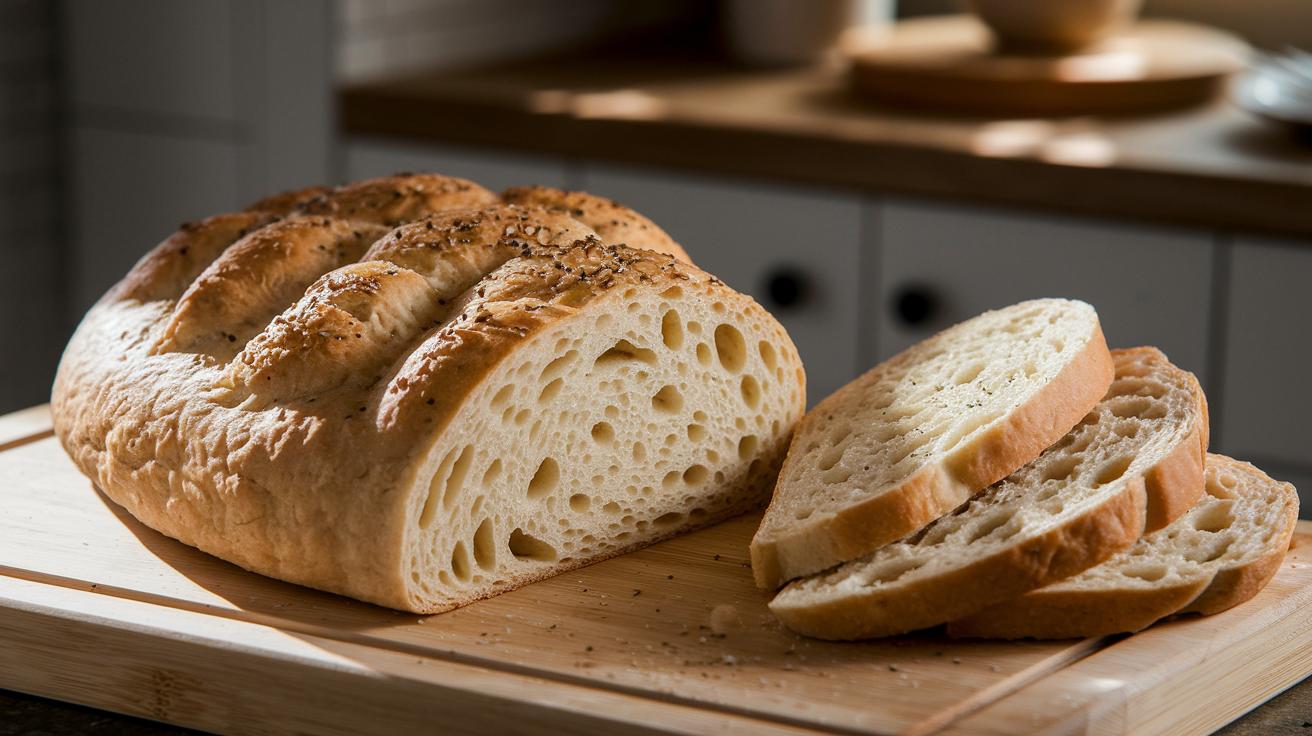
Let your focaccia cool completely after baking. Then, put it in a sealed plastic bag at room temperature for up to 1 day. This keeps its crispy edges and soft, airy center intact.
For longer storage, freeze individual slices for up to 1 month. When you’re ready to enjoy them, let the slices thaw slowly before reheating. Warm them in a 350°F oven for a few minutes to get that satisfying crunch back. If you're short on time, a quick zap in the microwave can work, but the oven is best.
If you have leftover dough from the first rise, store it in the fridge for up to 3 days to avoid over-proofing.
Pair your focaccia with a tangy olive oil and balsamic dip, a rich hummus, or a smooth soft cheese spread. You can also use it as a base for mini sandwiches or toast it lightly to boost its flavor.
Final Words
In the action of preparing focaccia, the post breaks down its Italian origins, key ingredients, and traditional baking techniques. We explored how the dimpled surface, crispy edges, and herb-infused flavor bring this flatbread to life.
The guide also shares creative topping ideas and simple storage tips. It shows what is focaccia bread by putting history, technique, and modern twists together. Enjoy using these steps to create a reliable, delicious meal that brightens up your weeknight dinner.
FAQ
What is focaccia bread made of?
Focaccia bread is made of a yeast-leavened dough blending flour, lukewarm water, olive oil, and sea salt, then topped with fresh rosemary and baked to achieve a soft, flavorful interior.
What is focaccia bread eaten with?
Focaccia bread is eaten with soups, salads, Italian meats, and cheeses, or simply drizzled with olive oil and balsamic vinegar, making it a versatile side or snack.
What is focaccia bread used for?
Focaccia bread is used as a delicious snack, a base for sandwiches like panini, or a complement to meals, fitting neatly into a variety of serving ideas.
Is focaccia bread healthy?
Focaccia bread is a hearty option with quality olive oil and herbs. Its healthfulness depends on serving size and overall diet, offering a flavorful yet calorie-considered choice.
How do you pronounce focaccia?
Focaccia is pronounced as foh-KAH-chuh, reflecting its Italian origins from Liguria.
What is the best focaccia bread recipe?
The best focaccia bread recipe includes a simple dough with flour, yeast, olive oil, and sea salt topped with rosemary, proofed and baked until it achieves a golden, dimpled crust.
What makes focaccia bread different from regular bread?
Focaccia bread stands out with its olive oil-infused dough, dimpled surface, and herb-enhanced flavor, creating a rich, airy texture that sets it apart from many common breads.
What is focaccia sourdough bread?
Focaccia sourdough bread blends traditional focaccia techniques with a sourdough starter, offering a tangier flavor and chewier texture while keeping the classic olive oil and herb topping.
How is focaccia different from other breads?
Focaccia differs by its flat shape, generous use of olive oil, and distinctive dimpled top with herbs, providing a crispy edge and soft interior unlike typical loaves.
Is focaccia healthier than regular bread?
Focaccia can be a healthier choice when made with extra virgin olive oil and minimal additives, though its calorie content is similar to other breads, so portion control matters.
What does focaccia bread taste like?
Focaccia bread tastes savory and balanced, featuring a crispy olive oil crust, airy interior, and aromatic rosemary and salt notes that deliver a true Mediterranean flavor.
Is focaccia the same as ciabatta?
Focaccia is not the same as ciabatta. Focaccia is an herb-topped, oil-rich flatbread, while ciabatta is a crusty, airy loaf best known for its suitability in sandwiches.