
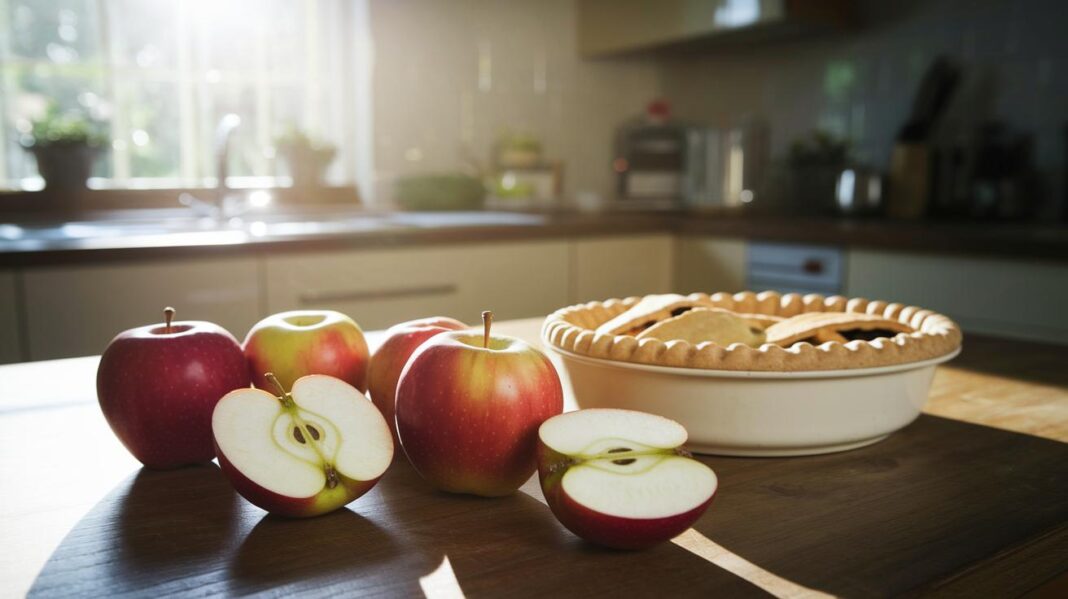

Have you ever wondered why some apple pies become favorites? A blind taste test of 20 apple varieties helped uncover which ones bring the best mix of taste and texture. Imagine apples that stay firm like tiny building blocks or turn soft into a sweet, rich sauce. In this guide, you'll see why Braeburn, Golden Delicious, and Granny Smith shine. We explain how combining these apples creates a pie that feels both hearty and comforting. Read on to discover which apples should be in your next pie.
Leading Apple Varieties for Apple Pie
A blind test was done on 20 types of apples to find the best mix of flavor and texture for apple pie. The goal was to see which apples hold up well when baked and bring a nice blend of sweet and tart. Testers looked at taste, firmness, and how well the apples worked as a pie filling.
The top apple varieties turned out to be Braeburn, Golden Delicious, Golden Supreme, Northern Spy, and Jonagold. Plus, three common grocery-store choices, Fuji, Honeycrisp, and Pink Lady, did a great job too. Granny Smith stood out for its firm texture and sharp taste, while heritage apples impressed with a deep, complex flavor even though they softened a bit in the oven.
In short, these apples were clear winners with their bold flavor and perfect texture. They kept their shape, layered flavors nicely, and balanced natural acidity with sweetness. This mix makes them the ideal apples for baked desserts and warm pie fillings.
Key Characteristics That Make Apples Ideal for Pie
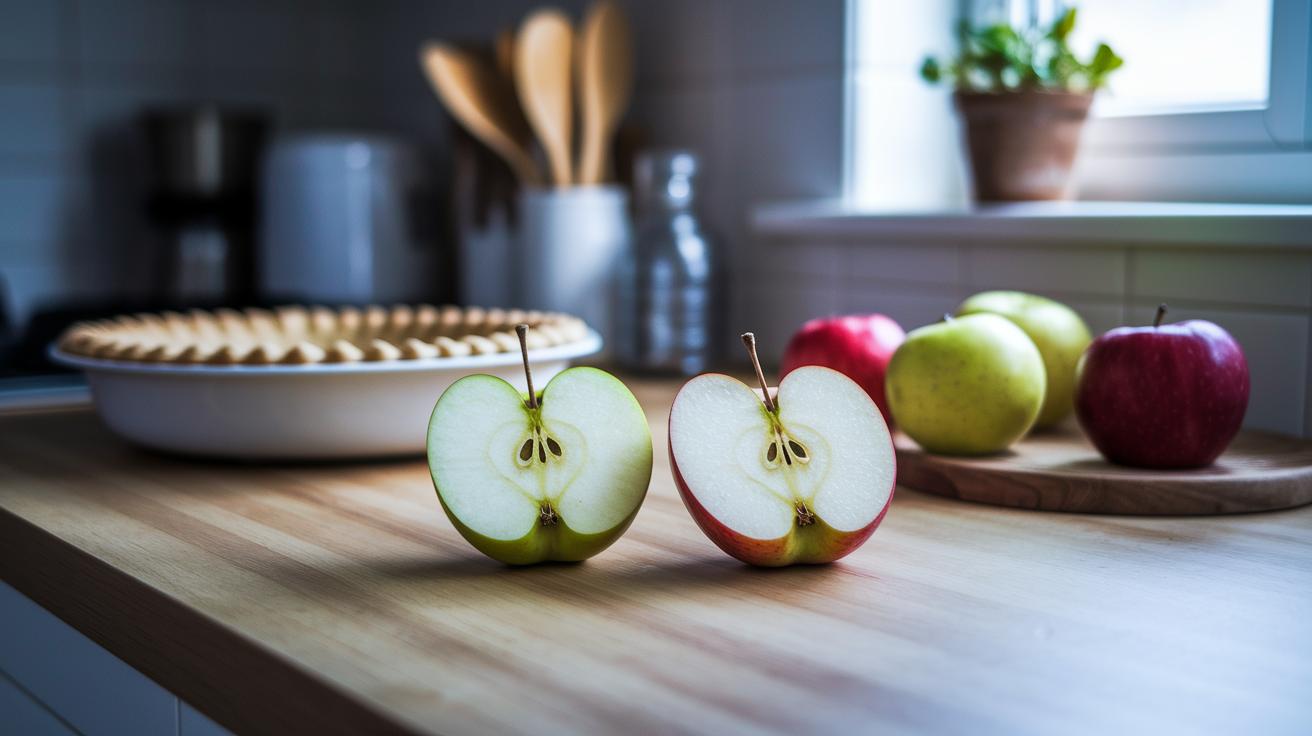
When we tested apples for pie, we found two main types. Some apples stay firm and hold their shape like little bricks, while others soften into a smooth sauce, much like mortar. Knowing the difference helps you pick apples that create a pie with a tasty mix of firm bites and a creamy filling.
Firm apples are a must for a hearty pie. Dense apples keep their bite during baking and give you little pieces to enjoy. In contrast, softer apples can release too much juice, making your filling runny. Finding the right balance means your pie will have both structure and a comforting blend of textures.
The ideal apple also strikes the perfect note between sweet and tart. A bit of natural acidity cuts through the sweetness, adding a bright tang that enlivens every bite. When an apple brings a crisp texture along with a touch of tang, it elevates your pie into a truly dynamic dessert.
Next time you're in the store, try these simple tests. Gently squeeze an apple to feel its firmness and tap it lightly to gauge its density and ripeness. These quick checks help ensure you pick the perfect apples that stand up to the oven and deliver the best balance of texture and flavor in your pie filling.
In-Depth Guide to Single Apple Varieties for Apple Pie
This guide walks you through 6 different apple types, each offering its own texture and taste for a great apple pie. Some apples hold their shape while others bring extra juice and sweetness. Knowing what each apple does helps you create a pie with both structure and rich flavor.
Braeburn
Braeburn apples are firm and keep their shape in the oven. They blend sweet and tart flavors perfectly, so each bite has little bursts of goodness.
Golden Delicious
Golden Delicious apples give a rich, buttery sweetness. Their soft flesh feels smooth on the tongue, but bake them too long and they might turn mushy. They work well when mixed with firmer apples for balance.
Granny Smith
Granny Smith apples are very firm and have a sharp, tangy taste. Their crisp bite adds a refreshing contrast to the spices and sweetness in your pie, and they stay intact while baking.
Honeycrisp
Honeycrisp apples are known for their crunchy texture and gentle tartness. They hold up well when baked and help add a layered, balanced texture without overwhelming the other flavors.
Fuji
Fuji apples are very sweet and full of juice. Their high moisture content can sometimes thin out your pie filling, so they shine best when paired with a firmer apple to keep the mix just right.
Pink Lady
Pink Lady apples have a unique aroma with a slight pear note. They are crisp and aromatic, adding a firm and refreshing touch to your pie.
| Variety | Texture | Flavor Profile | Ideal Use |
|---|---|---|---|
| Braeburn | Firm | Sweet and tart | Keeps shape in pies |
| Golden Delicious | Soft | Rich, buttery sweet | Adds richness (pair with firm apples) |
| Granny Smith | Very firm | Sharp and tart | Provides crisp bites |
| Honeycrisp | Crisp | Honeyed with mild tartness | Adds layered texture |
| Fuji | Juicy | Very sweet | Best when combined with firm apples |
| Pink Lady | Crisp | Balanced and aromatic | Adds a firm, unique touch |
Grocery-Store Apple Varieties for Apple Pie

Supermarket apples are a great choice when you need a quick, reliable pie filling. We’ve already covered favorites like Fuji, Honeycrisp, and Pink Lady in other sections for their balanced taste. Today, let's check out another option to give your pie a special boost.
- Gala apples bring a natural sweetness and a light, mellow flavor that lifts your pie’s taste. They can get a bit grainy when baked, so try mixing them with firmer apples to keep your filling smooth and consistent.
These readily available apples let you whip up a dependable pie with ease, no need to hunt down special varieties. Enjoy your baking!
Blending Apple Varieties for Balanced Pie Fillings
Mixing different kinds of apples in your pie filling is a smart way to get a mix of textures. Firm apples hold their shape like little blocks, while soft ones cook down into a thick, smooth sauce. This combination gives your pie both good structure and a deep, rich flavor.
Try a 50/50 blend with Golden Delicious. They bring a rich, buttery sweetness but can get too soft on their own. When you mix them evenly with firmer apples, you end up with a warm, comforting filling that still holds up under the heat.
Another great combo is Granny Smith with Honeycrisp. Granny Smith adds a tart bite and extra firmness to handle the juices, while Honeycrisp gives a gentle sweetness and a crisp feel. Each spoonful then has a neat mix of tangy and sweet notes with a satisfying texture.
Feel free to adjust your mix. If your filling seems too watery, use more firm apples. If it feels a bit dry, add extra Golden Delicious slices. Experiment with small batches until you find the perfect balance of acidity, sweetness, and texture.
Seasonal and Heritage Apple Choices for Apple Pie
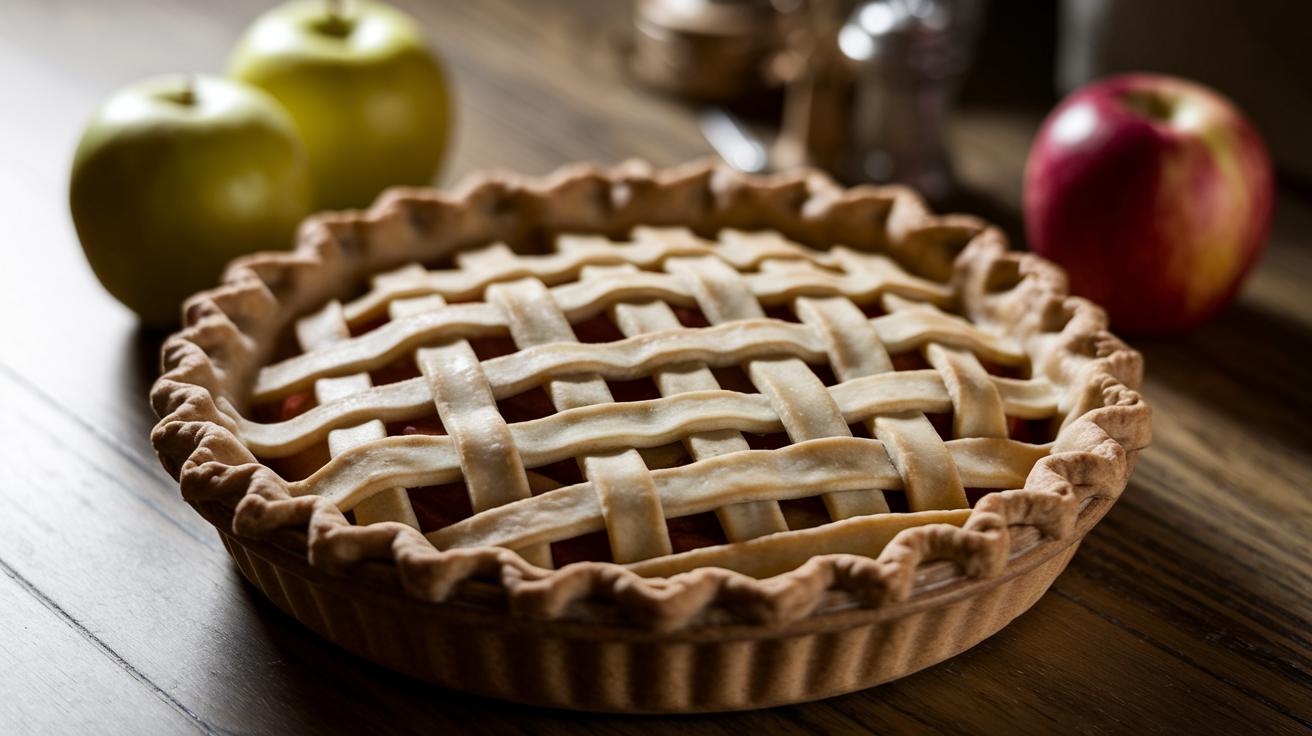
Heritage apple varieties bring a deep, layered flavor that makes your pie truly special. They are known for their mix of tang and sweetness, even if they soften more than today's apples during baking.
These apples work great for a pie with a rustic touch. Local favorites like Rhode Island Greening and York Imperial have been trusted in kitchens for years because they add a robust taste that stands up to other sweet ingredients.
You might also try under-the-radar picks like Pink Pearl and Sweet Tango. Pink Pearl shows off a unique pink flesh with gentle pear and apple notes, perfect for adding visual flair and balanced taste (note: it's mostly available early in the fall). Meanwhile, Sweet Tango offers a sweet-tart flavor similar to Honeycrisp, giving your filling a refreshing lift.
I recommend checking out farmers’ markets and specialty grocers during harvest season. They often carry these seasonal and heritage varieties, letting you explore flavors that mix tradition with a dash of novelty.
Final Words
In the action, this article showcased top orchard picks, grocery options, and seasonal finds that deliver a perfect balance of texture and tart-sweet flavor.
We broke down apple testing and explained how firm, juicy apples like Granny Smith and Honeycrisp guide you to a winning blend.
This guide has practical tips for every cook looking to answer what are the best apples for apple pie. Enjoy experimenting and find your ideal mix for a delightful, stress-free dinner.
FAQ
Q: What are the best apples for apple pie filling and which varieties do experts recommend?
A: The best apples for apple pie filling are those offering balanced tartness and firmness. Experts favor Granny Smith, Braeburn, Honeycrisp, and Pink Lady for their stable texture and rich, complementary flavors.
Q: How many apples should be used for apple pie?
A: The recommended number of apples for a standard 9-inch pie is typically 6 to 8 medium-sized apples, ensuring a hearty filling that works well with the crust.
Q: What are the worst apples for apple pie or apples not to use in apple pie?
A: The worst apples for apple pie are those that become overly soft or grainy when baked. Varieties that lack enough acidity or hold their shape should be avoided to maintain texture and flavor.
Q: Are Gala apples good for apple pie?
A: While Gala apples offer a sweet, mild flavor, they tend to become grainy when baked and may not provide the ideal balance of tartness and firmness required for a great pie.
Q: Are Fuji apples good for apple pie?
A: Fuji apples have high sweetness and juiciness, which can thin out the filling. Pairing them with firmer, tart varieties is recommended to achieve a better texture in the pie.
Q: Are Empire apples good for apple pie?
A: Although Empire apples have a pleasant, balanced flavor, they might not hold up as well during baking, making them a moderate option compared to firmer varieties.
Q: What is Oprah’s favorite apple pie?
A: Specific apple variety preferences have not been widely confirmed as Oprah’s favorite, so it’s best to choose the apple type that suits your own taste and texture needs.