


Do you think vegetarian meals lack bold flavors? Think again. This Thai red curry has a creamy coconut base with a gentle heat that makes every bite a taste celebration. You can use tofu, edamame, or chickpeas, whatever you like best. It takes only 30 minutes to make and fits right into a balanced lifestyle. Ready to try a dish where every bite shines?
Ready-in-30-Minutes Vegetarian Thai Red Curry Delight

This vegetarian Thai red curry brings a delightful kick of spice paired with a rich, creamy coconut base. The red curry paste adds a vibrant zest, while coconut milk smooths everything out. Crunchy vegetables and a protein boost like tofu, edamame, or chickpeas make this dish both hearty and refreshing. Best of all, it comes together in about 30 minutes, perfect for a busy night.
This meal offers a gentle heat that complements the natural sweetness of fresh produce. With roughly 189 calories and 6 Weight Watchers SmartPoints per serving, it works well within balanced eating plans. You can swap in your favorite veggies and serve the curry with jasmine rice, brown jasmine rice (which cooks for 30 minutes with a resting period), or even a low-carb cauliflower rice option.
| Ingredient | Details |
|---|---|
| 2 tsp coconut oil | |
| Vegetarian Thai red curry paste | |
| Mixed vegetables | cauliflower, carrots, zucchini, red bell pepper, bamboo shoots |
| Protein options | firm tofu, edamame, or chickpeas |
| Rice choices | jasmine rice, brown jasmine rice, or cauliflower rice |
This easy dish is a real weeknight winner, quick, nutritious, and full of flavor. Have you tried it with a twist on your preferred veggies?
Traditional Homemade Red Paste Creation for Authentic Red Sauce Vegetarian Dish

Making your own red curry paste takes your meal to the next level. Freshly toasted spices and aromatic herbs give your curry a bold, layered flavor that no store-bought paste can match. You control the heat and balance, so the paste perfectly enhances the vegetables and proteins in your dish.
Ingredients:
- 2–3 fresh red bird’s eye chilies
- 4–6 dry red chilies
- 1 tablespoon coriander seeds
- 1 tablespoon cumin seeds
- 1 teaspoon black peppercorns
- 4 garlic cloves
- 2 shallots
For an extra burst of flavor, add 1 stalk lemongrass and a 1-inch piece of galangal (blend them in with the other ingredients). If you want a fully vegetarian option, try a vegan shrimp-paste substitute that suits your diet.
- Lightly toast the coriander seeds, cumin seeds, and black peppercorns in a dry pan until you notice a toasty aroma. This step helps release their essential oils.
- Heat 2 tablespoons of toasted sesame or coconut oil over low heat. Add the chilies, garlic, shallots, lemongrass, and galangal. Warm them gently until they soften (avoid browning).
- Transfer all the ingredients to a blender. Blend until you get a smooth, spreadable paste that bursts with fresh, spicy flavor.
This step-by-step method creates a vibrant red paste that adds a unique and authentic kick to your vegetable curry. Enjoy the process, and feel free to adjust the heat to your taste!
Selecting and Preparing Assorted Garden Vegetable Additions & Tofu Integration Cooking Tips

Start by picking out your favorite veggies to build a bright curry base. Try using cauliflower florets, carrot half-circles, zucchini slices, red bell pepper strips, and bamboo shoots. These veggies bring a nice crunch and a mix of textures along with lots of color and nutrition.
For an extra burst of flavor, add seasonal vegetables based on what you enjoy or have on hand. You might include mushrooms for an earthy touch, eggplant for creaminess, kale for a hearty bite, or fresh spinach for a lighter finish. Always chop or slice them evenly for even cooking. Here’s a quick tip: rinse your veggies, peel if needed, and dry them well before cooking to keep their shape and natural flavor.
When you add protein, firm tofu cubes work perfectly with your vegetables. Pat the tofu dry with paper towels and then either roast it in the oven or quickly pan-sear it in a hot skillet until the edges turn a bit crispy. This step helps seal in the flavor and gives the tofu a great texture. If you want a change, try tossing in some edamame or chickpeas for more protein variety.
Building the Coconut Milk Infused Vegan Curry Base with Spicy Plant-Based Sauce

- Heat 2 Tbsp curry paste with 2 Tbsp coconut oil (or sesame oil) over medium heat. As the oil warms, the paste releases its spices and fills your kitchen with a welcoming aroma.
- Lower the heat a bit and stir in ½ cup thick coconut milk. If you like a touch of extra sweetness, add ¼ tsp palm sugar or raw sugar. Mix well so the sugar blends evenly.
- Slowly pour in 1 cup more coconut milk and let the sauce simmer on low for 5 to 7 minutes. Stir occasionally to help the flavors blend and keep the sauce smooth.
- Keep the heat moderate and stir frequently until the sauce is creamy and well mixed. This careful technique creates a silky vegan curry base that sets the stage for a vibrant, spicy plant-based dish.
Substitutions and Paste Troubleshooting for a Modern Meatless Curry Alternative
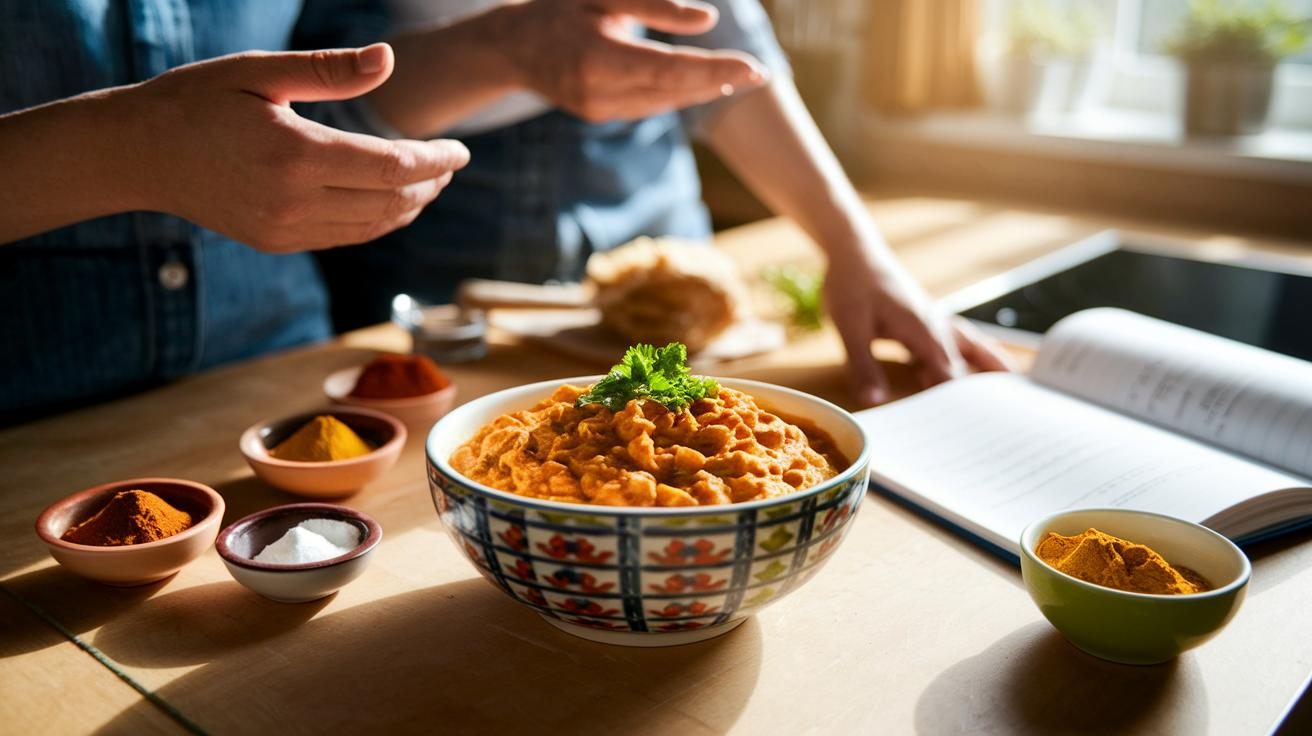
If you have special dietary needs, you can swap whole spices for their powders. Use 1 tsp coriander powder instead of coriander seeds and 1 tsp cumin powder instead of cumin seeds. This simple switch keeps the flavor strong, even when full spices are not available. For a gluten-free twist, try tamari instead of soy sauce. You can also swap coconut sugar with maple syrup or brown sugar, depending on what you have and your taste. These changes make the curry flexible for vegan, halal, or meatless diets, so everyone can enjoy its bright flavors.
If the curry paste turns out too hot or thick, cut back on the bird's eye chilies or stir in extra coconut milk to tame the heat and thin the paste. This step is key for a smooth, creamy base. If you make extra paste, store it in an airtight jar in the refrigerator for up to 2 weeks. These easy fixes help you troubleshoot common issues while keeping the dish delicious and spicy.
Serving Suggestions, Garnishes & Nutrition for a Low-Calorie Vegetable Stew Option
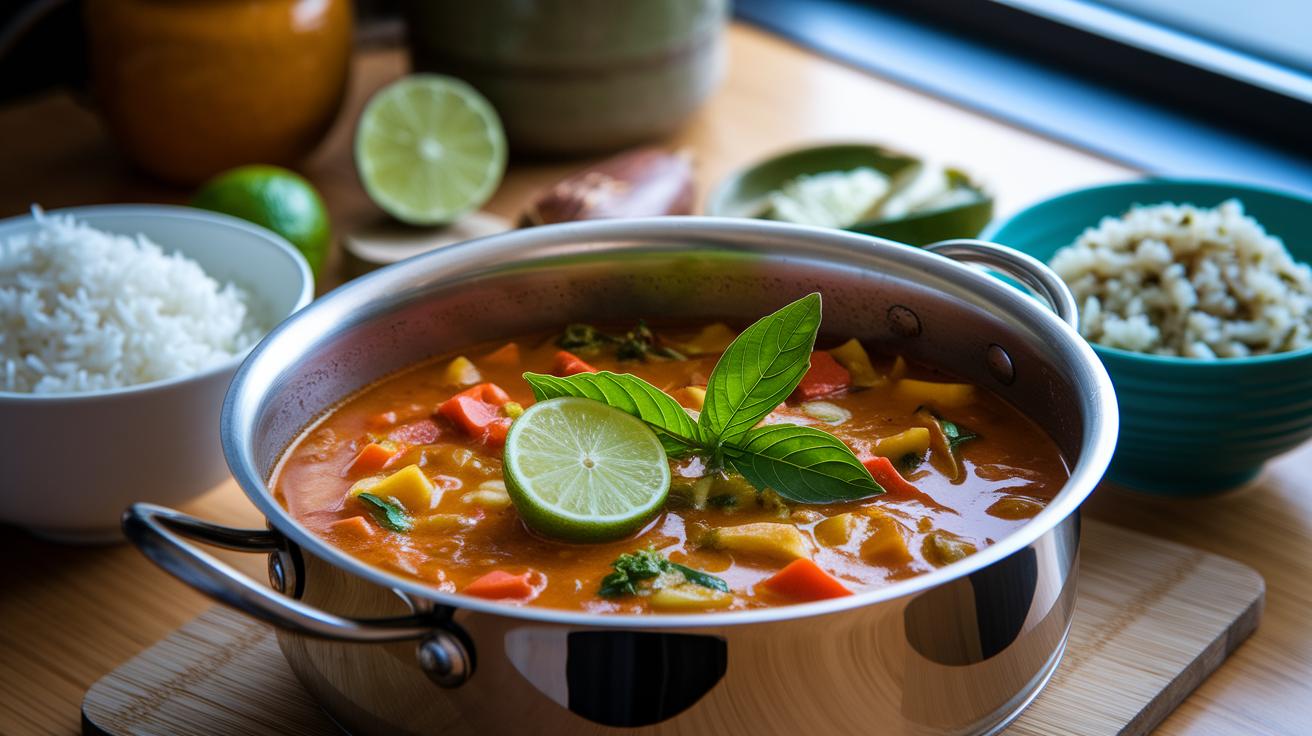
Make your vegetable stew pop by adding a few fresh Thai basil leaves and a quick squeeze of lime juice right before serving. Try it with a side like jasmine rice, brown rice, or even a low-carb favorite such as cauliflower rice. These sides balance the stew’s spicy kick while adding fun textures that make it perfect for busy weeknights.
Every serving packs about 189 calories and 6 Weight Watchers SmartPoints. This lets you enjoy a delicious meal that stays in line with your healthy eating goals while feeling like a treat.
For extra crunch and a burst of color, sprinkle some roasted peanuts or toss on a handful of fresh cilantro. These additions bring a delightful nutty taste and appealing contrast to every spoonful.
Meal Prep and Storage Strategies for a Quick Vegan Lunch Stew Option
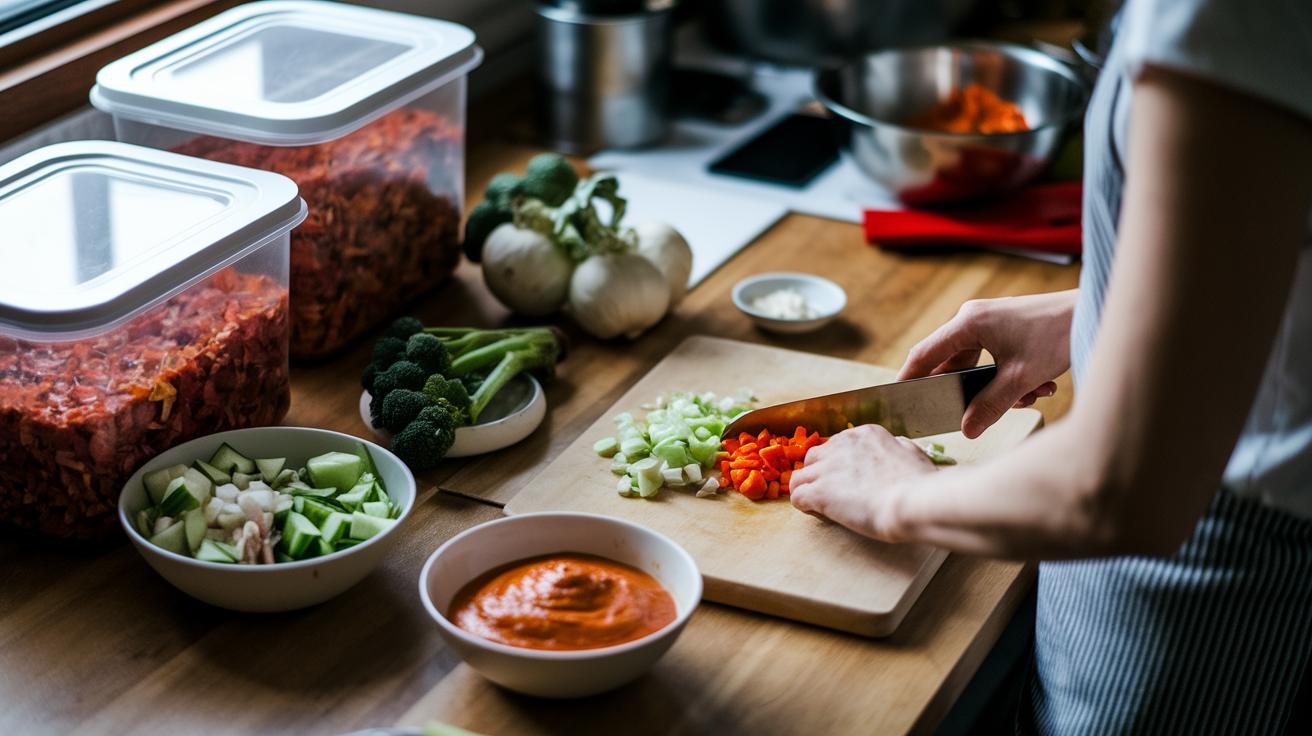
Start by washing and chopping your vegetables, then blend the red curry paste ahead of time. Measure out the spices and veggies into separate portions. Doing these steps before you cook makes busy weeknights much easier.
Store your prepped ingredients in airtight containers in the fridge. This keeps the veggies crisp and lets your curry paste develop a richer flavor. With everything ready to go, you avoid last-minute rushing and can put together your one-pot meal quickly.
Leftovers work great with this stew. Save any extra in the fridge for up to 4 days, or freeze single portions for up to 3 months. When you're ready to eat, warm it gently on the stovetop or in the microwave. Stir in a splash of water or coconut milk if you need to bring back its creamy texture.
These meal prep and storage tips give you a simple plan for a delicious vegan lunch stew whenever you need it. Enjoy the ease of having a tasty meal ready to heat and serve on your busiest days.
Final Words
In the action, we whipped up a vibrant meal that brings together fresh vegetables, homemade red curry paste, and a creamy coconut milk base. This vegetarian Thai red curry recipe is a quick weeknight solution bursting with flavor. It’s designed to simplify meal prep, boost kitchen confidence, and meet your dietary goals without fuss. The hands-on technique tips make the dish repeatable and versatile. Enjoy the colorful flavors and let every bite spark a little more joy in your kitchen.
FAQ
What does an Indian vegetarian Thai red curry recipe offer?
An Indian vegetarian Thai red curry recipe offers a vibrant blend of spicy red curry paste, creamy coconut milk, and fresh vegetables for a hearty, flavor-packed meal that’s both satisfying and refreshing.
How do I make a simple vegetarian Thai red curry recipe?
A simple vegetarian Thai red curry recipe starts with sautéing curry paste in melted coconut oil, then adding coconut milk and mixed vegetables like cauliflower, carrots, and red bell pepper, resulting in a quick, delicious meal.
What role does coconut milk play in a vegetarian Thai red curry recipe?
Coconut milk in a vegetarian Thai red curry softens the spice, adds a rich creamy texture, and balances the heat from the red curry paste, making the dish smooth and mildly sweet.
How does Jamie Oliver’s take influence a vegetarian Thai red curry recipe?
Jamie Oliver’s version highlights fresh, easy-to-find ingredients and straightforward techniques, inspiring a home-cooked dish that feels both modern and true to traditional Thai flavors.
What defines an authentic Thai red curry recipe with vegetables?
An authentic Thai red curry recipe features either homemade or store-bought red curry paste combined with vegetables such as bamboo shoots, zucchini, and red bell pepper, delivering a genuine Thai taste experience.
How do Thai red curry and Thai green curry differ for vegetarian options?
Vegetarian Thai red curry offers a deep, rich flavor from red chilies and coconut milk, while Thai green curry uses green chilies for a fresher, lighter taste, catering to different spice and flavor preferences.
What is Thai red curry paste and how is it made?
Thai red curry paste is a blend of red chilies, garlic, lemongrass, and spices that is either made from scratch or bought ready-made, forming the flavorful base for the curry.
Can I substitute tofu or other proteins in a vegetarian Thai red curry?
Yes, you can replace tofu with edamame or chickpeas to add protein, making your vegetarian Thai red curry adaptable and nutritious while keeping the dish meatless.