
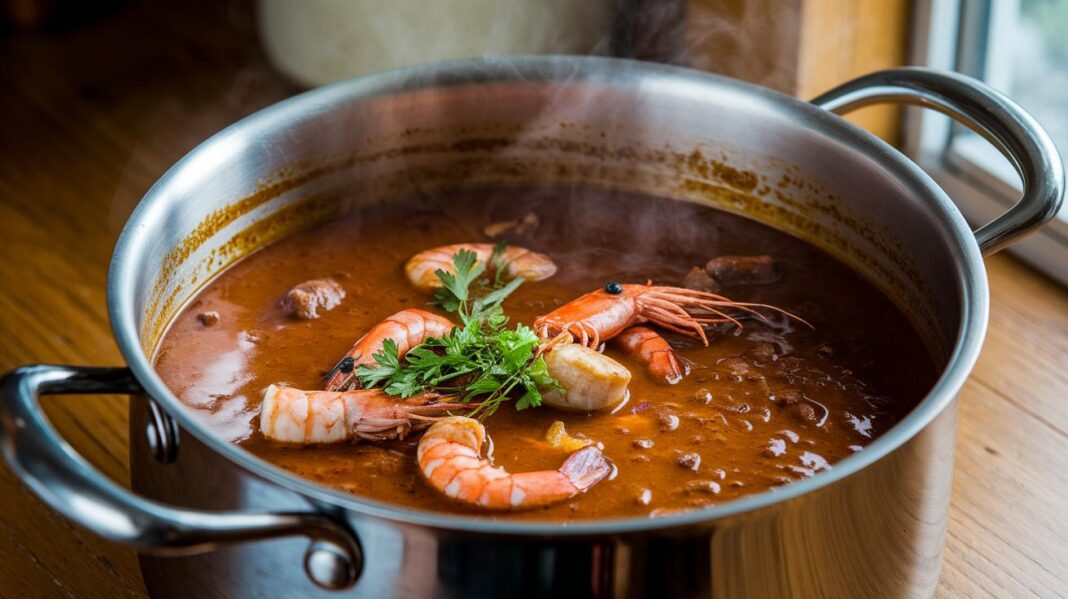

Ever wondered if a bowl of gumbo could redefine comfort food? This shrimp and sausage gumbo features tender shrimp, flavorful sausage, and vibrant vegetables all simmered in a rich tomato broth. The secret is a perfect roux, a simple mix of flour and fat cooked until golden, which turns ordinary ingredients into a hearty Creole stew. Give it a try for a delicious, weekend-ready meal that's easier than you might think.
Quick and Complete Shrimp and Sausage Gumbo Recipe Guide
This hearty gluten-free gumbo serves 8 and is perfect for a relaxed weekend meal. I love using a heavy-bottomed Dutch oven because it cooks everything evenly, giving you a rich Creole-style dish in about 2 hours.
You’ll enjoy tender shrimp, savory andouille sausage, and bright vegetables all in a tasty tomato broth. The secret is in the roux made with equal parts high-heat oil and gluten-free flour. Cook it for 15 to 22 minutes until it turns a warm peanut butter color, which adds a nutty depth to your stew.
Ingredients:
- 1/2 cup high-heat oil (canola, avocado, or corn)
- 1/2 cup gluten-free all-purpose flour
- 1 lb andouille sausage, sliced
- 1 lb cleaned shrimp, deveined
- 1 cup diced onions
- 1 cup diced celery
- 1 cup chopped multi-colored bell peppers
- 1 cup sliced okra
- 4 cups shrimp stock (or chicken stock)
- 1 can (14 oz) diced tomatoes
- Get organized by chopping the vegetables, slicing the sausage, and cleaning the shrimp.
- In your Dutch oven, heat the oil and then slowly stir in the flour. Keep stirring until the mix turns a peanut butter shade.
- Add the onions, celery, bell peppers, and okra. Stir well so the flavors blend.
- Pour in the shrimp stock and diced tomatoes. Give it a good mix.
- Let the gumbo simmer gently. Check it every so often until all the flavors meld together.
- Serve hot over steamed rice or with a side of crusty bread.
Enjoy your gumbo and feel free to share your thoughts or any tweaks you made along the way!
Mastering the Roux for Shrimp and Sausage Gumbo
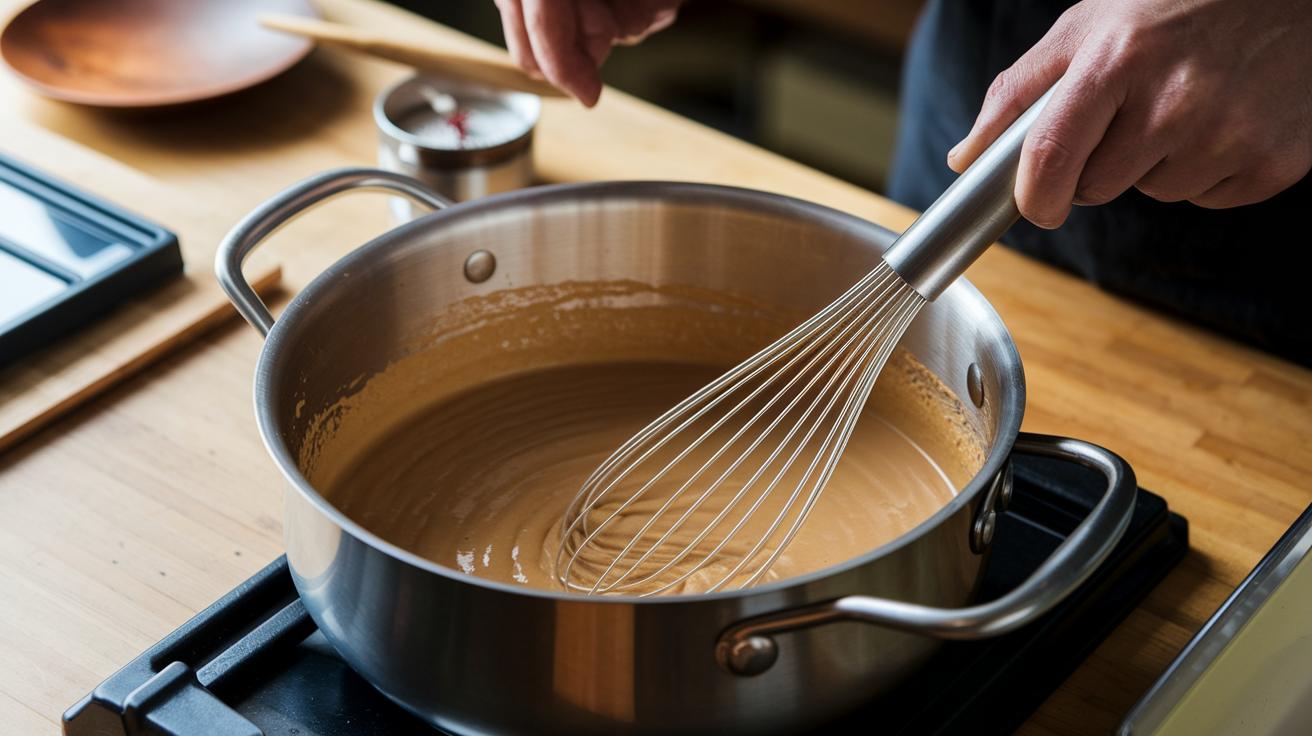
A good roux brings a smooth texture and a nutty flavor that makes gumbo special. Here are a few extra tips to help you perfect it beyond the basics.
- Warm 1/2 cup high-heat oil (like canola or avocado) in a heavy-bottomed pot over medium heat.
- Slowly add 1/2 cup flour, stirring constantly with a whisk to keep the mix smooth.
- Keep stirring with either a whisk or a flat spatula to avoid any lumps.
- Watch the color change from light beige to a warm, peanut butter tone.
- If the roux starts darkening too quickly, lower the heat right away to prevent burning.
Keep an eye on the roux as you cook. If you see any lumps, give it a quick whisk and check your heat setting. And if the color gets too dark, the pot might be too hot, so lower the flame to save your roux.
Vegetables and Okra: Building Blocks for Shrimp and Sausage Gumbo
This gumbo starts with a classic trio of onions, celery, and colorful bell peppers. They add bright flavors and a pleasant crunch that sets the stage for a great dish. Their natural sweetness and crisp texture mix together to create a balanced aroma that smells inviting.
Okra works as a natural thickener in this stew. When cooked just right, it gives the gumbo a creamy feel without becoming overly slimy. Add it at the right time and watch the clock so it thickens the sauce lightly while adding its own unique taste.
When these fresh vegetables team up with perfectly cooked okra, they build layers of rich flavors in the gumbo. They offer both depth and a burst of brightness, making each bite full of satisfying texture and authentic taste.
Selecting and Preparing Shrimp and Sausage for Flavorful Gumbo
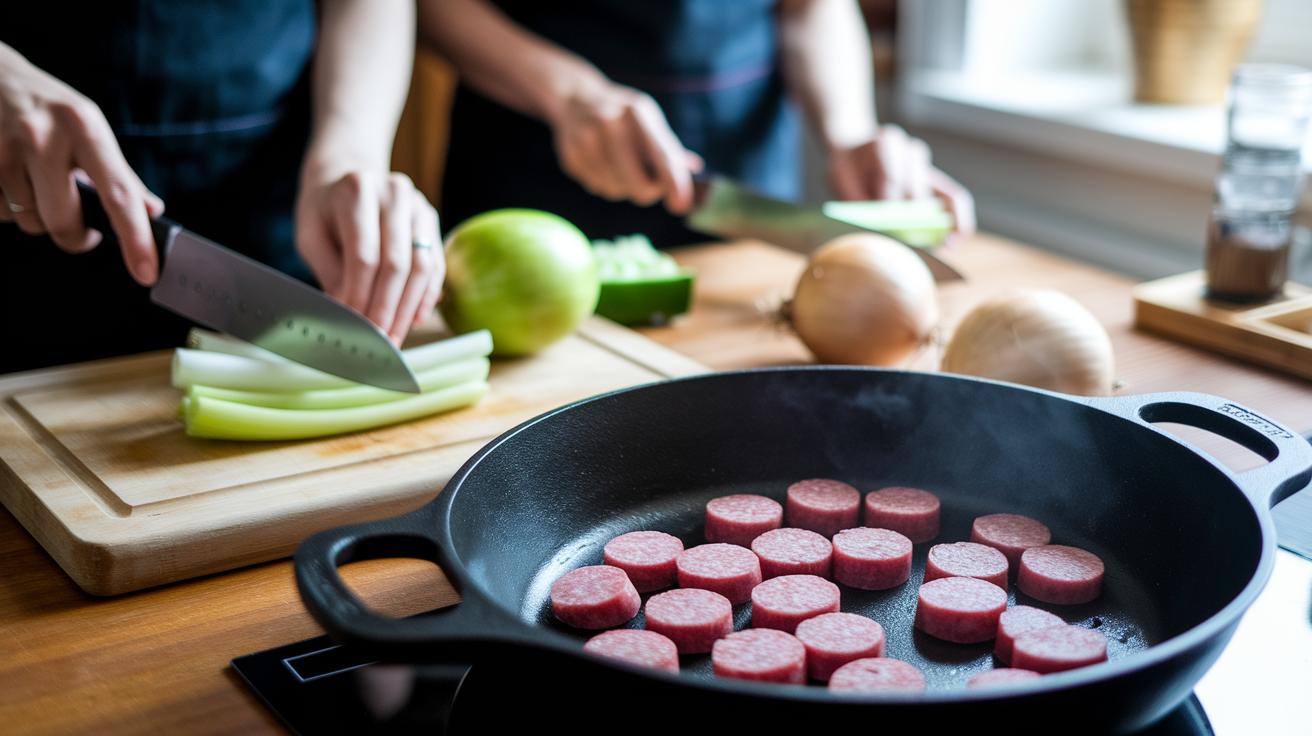
For a gumbo full of flavor, start with quality shrimp and smoked andouille sausage. Prepare everything in advance: chop onions, celery, and capsicum; slice the sausage; and clean plus devein the shrimp. Season each part before cooking. This helps build layers of Creole taste that make your gumbo shine.
Sausage Preparation
Pick a smoked andouille sausage with a rich, savory taste. Cut it into round slices about 1/4-inch thick. Heat a heavy pan and cook the sausage slowly until each piece gets a nice brown crust. This step brings out the smoky flavor and releases a bit of tasty fat that mixes well with the other ingredients. A light seasoning on the sausage adds a bit more flavor without taking over its natural taste.
Shrimp Preparation
Start by cleaning and deveining the shrimp. Pat them dry with a paper towel, then sprinkle with a pinch of salt and your favorite Creole spices. Since shrimp cook very fast, add them toward the end of the simmer to keep them tender and sweet. This quick cook keeps their delicate texture and lets them balance the stronger sausage flavor in your gumbo.
| Protein | Variety | Prep Tip |
|---|---|---|
| Andouille Sausage | Smoked | Slice into 1/4-inch rounds and brown slowly |
| Shrimp | Fresh | Clean, devein, and season lightly before adding |
Crafting the Broth and Seasonings for Shrimp and Sausage Gumbo
Start by choosing a hearty stock to build your stew. You can simmer shrimp shells in water for 40–60 minutes to make a seafood stock full of flavor, or use chicken stock for a lighter touch. This step adds a natural depth and a hint of the sea to every spoonful.
Gumbo comes in different styles. In Creole recipes, a tomato base adds tang and a touch of sweetness, while Cajun versions skip the tomatoes and rely on a darker, richer roux. Choose the style you like best, tomatoes for a bright kick or no tomatoes for a deeper flavor.
Next, layer your broth with a blend of spices. Toss in bay leaves, smoked paprika, regular paprika, and garlic powder. Add a pinch of Cajun or Creole spice mix to keep it true to tradition, and finish with a splash of extra Creole seasoning if you want a bit more heat. These spices combine to create a balanced broth that bursts with real, authentic flavor.
Slow-Simmering and Final Assembly of Shrimp and Sausage Gumbo
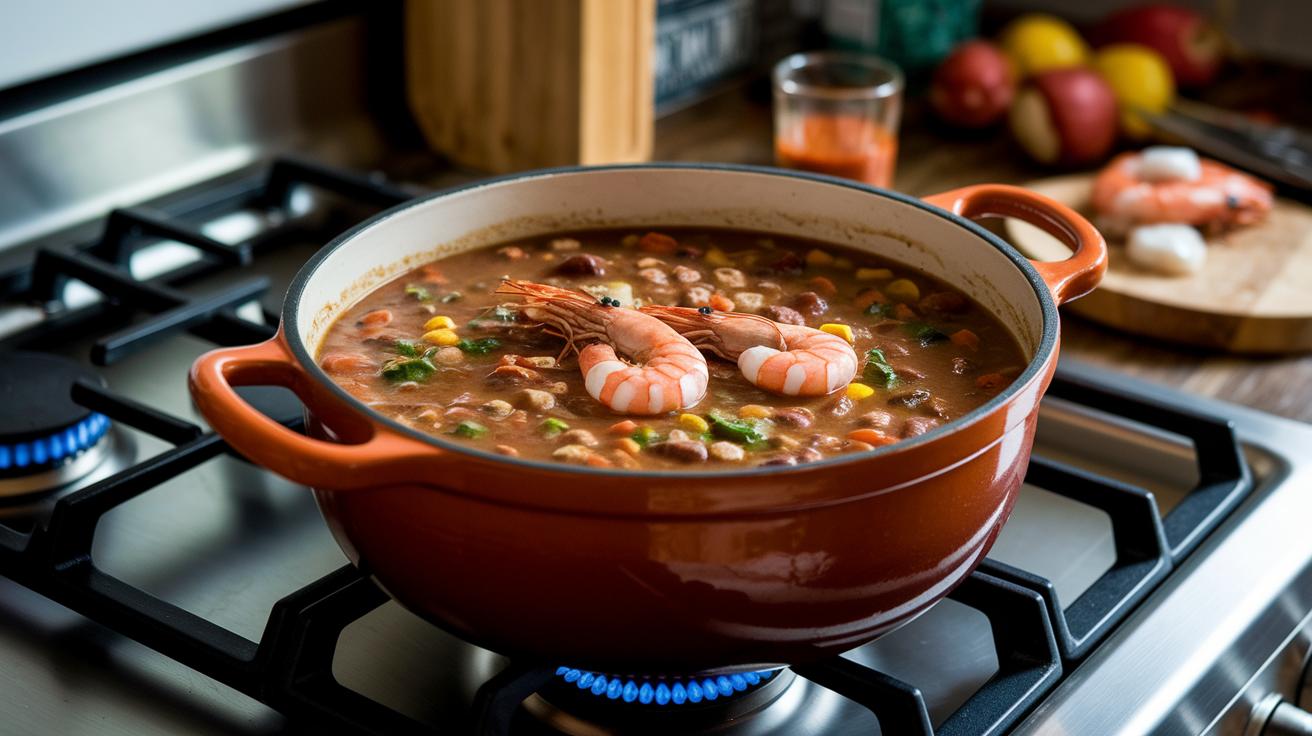
Begin by slowly stirring your prepared roux into the sautéed vegetables and stock. Pour in the stock bit by bit while stirring constantly so no lumps form. This careful mix creates a smooth base that ties the deep, nutty flavor of the roux with the fresh taste of the vegetables. Keep the heat low to maintain a gentle simmer right from the start.
Next, add the proteins in the proper order. First, stir in the sliced sausage; it will release its savory juices and start to caramelize, boosting the overall flavor of the gumbo. Once the sausage begins to blend into the broth, add the shrimp. Stir occasionally to help the stew thicken evenly. Adding the shrimp at the end prevents them from overcooking.
Let the gumbo simmer on low heat for 1 to 2 hours so the flavors meld and the broth thickens into a hearty stew. Check it now and then to keep a gentle simmer and avoid a rolling boil. This slow-cooking method ensures that the shrimp turn a lovely opaque pink without becoming rubbery, while the sausage softens and the broth deepens in flavor.
Serving, Rice Pairing, and Variations for Shrimp and Sausage Gumbo
Serve this gumbo over a bed of steamed white rice for a hearty bite of shrimp, sausage, and vegetables. If you want a change, try it with crusty bread or boiled potatoes that soak up all the rich broth. These sides add extra warmth and comfort to every spoonful of this classic southern dish.
Leftovers work wonders with this gumbo. Store any extra in an airtight container overnight in the fridge. The spices mix together and deepen, so when you reheat it, the flavors feel even richer. In fact, slow-cooked dishes like this only get better with time.
For a fun twist, mix in chicken, oysters, or extra okra to change things up. You can also finish each bowl with chopped green onions or parsley to add a fresh burst of color and taste. Enjoy it hot as the star of a creole dinner party or a cozy family meal.
Cultural Roots and Regional Style Differences in Shrimp and Sausage Gumbo
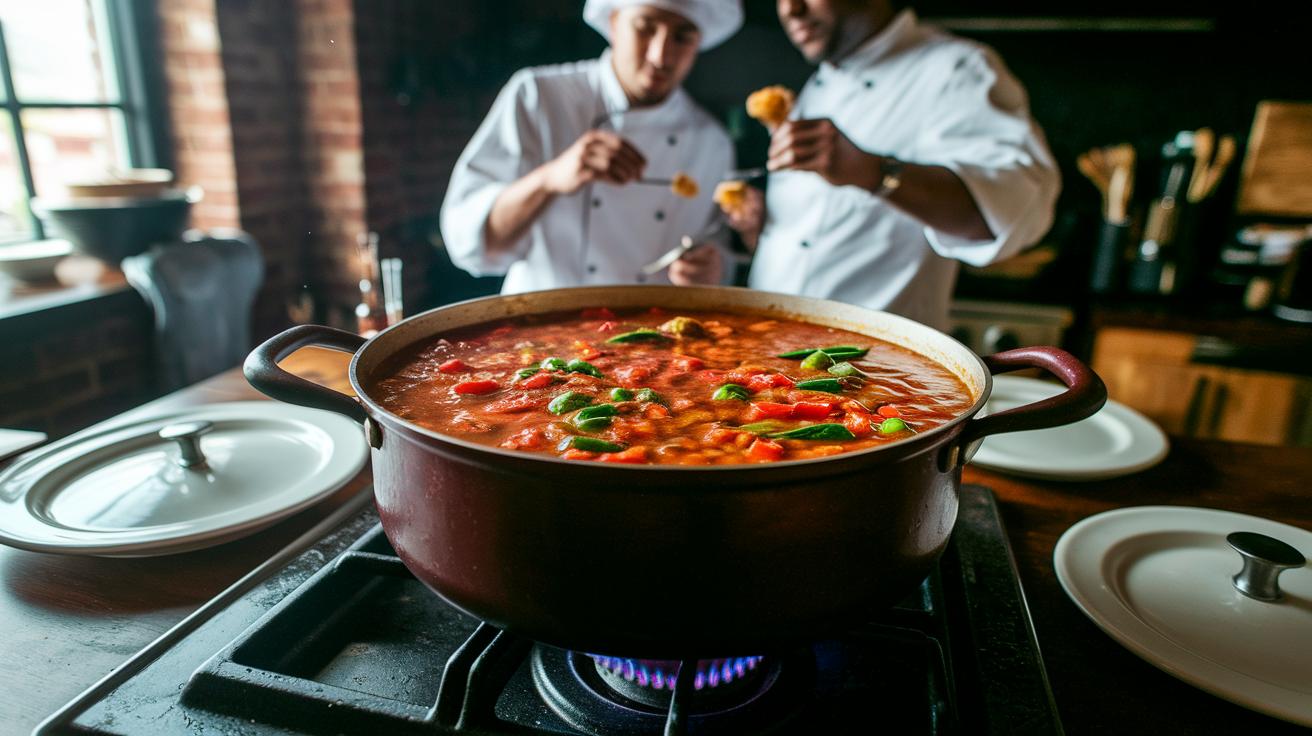
Gumbo started in Louisiana back in the 1700s and carries a rich history and local pride. It mixes French, Spanish, and African flavors to create a dish full of Southern charm. For instance, Creole gumbo typically includes tomatoes, which give the stew a bright, tangy kick inspired by European cooking. In contrast, Cajun gumbo skips the tomatoes and focuses on making a deep, browned roux that adds a richer flavor. These small changes highlight how local ingredients and traditions shape the way gumbo is made. Each version tells a story of its region, using fresh produce and aromatic spices passed down through generations.
Today, gumbo keeps evolving as new cooks blend old traditions with fresh ideas. Depending on the area, chefs might add special local spices or adjust the base to match their taste. This approach respects the classic gumbo techniques while embracing creative twists. You can find recipes that honor time-tested methods by using a dark, nutty roux or a lively tomato base. This flexibility makes sure every gumbo stays true to its roots while offering a new take for fans of both Cajun and Creole styles.
Final Words
In the action, this guide walked you through crafting a flavorful one-pot meal. It covered everything from building a rich roux and layering vibrant vegetables to prepping proteins and simmering a hearty broth.
Each section offered clear steps to help you make a satisfying dish. You'll find tips on perfecting your base, seasoning well, and pairing with the ideal sides.
Enjoy your shrimp and sausage gumbo and have fun trying out your favorite twists!
FAQ
Q: What is a good shrimp and sausage gumbo recipe?
A: The shrimp and sausage gumbo recipe offers a hearty blend of cleaned shrimp and sliced andouille sausage combined with a dark roux, vegetables, and spices that meld during slow simmering to create a comforting meal.
Q: What makes shrimp and sausage gumbo with okra special?
A: The shrimp and sausage gumbo with okra features okra’s natural thickening power, which creates a rich texture while complementing the spicy, savory flavors of the shrimp and sausage.
Q: How does Cajun shrimp and sausage gumbo differ?
A: The Cajun shrimp and sausage gumbo highlights a robust spice blend and a dark roux without tomatoes, emphasizing bold, traditional flavors that are characteristic of Cajun cooking.
Q: What is the benefit of serving shrimp and sausage gumbo with rice?
A: Serving shrimp and sausage gumbo with rice adds a hearty base that absorbs the flavorful broth, making each bite balanced and satisfying.
Q: What is the one thing Cajuns don’t put in their gumbo?
A: The one thing Cajuns typically leave out of their gumbo is tomatoes, as they prefer a richer, tomato-free broth built from a dark roux and spices.
Q: Should sausage be included in seafood gumbo?
A: Including sausage in seafood gumbo adds a savory depth to the dish, though some traditional recipes skip it to let delicate seafood flavors stand out on their own.
Q: Is gumbo a good option for diabetics?
A: Gumbo can be a good option for diabetics when made with lean proteins and a balanced mix of vegetables and spices, helping to control blood sugar while still delivering rich flavor.
Q: What is the secret to a flavorful gumbo?
A: The secret to a flavorful gumbo lies in a well-cooked dark roux, layered aromatics, and a slow simmer that allows all the spices and proteins to meld into a deep, savory dish.
Q: What defines traditional gumbo?
A: Traditional gumbo is defined by its dark roux, the blend of onions, celery, and bell peppers, and the inclusion of proteins like seafood, chicken, or sausage, resulting in a warm, comforting stew.
Q: How do variations like chicken and sausage gumbo, jambalaya, and red beans and rice differ?
A: Variations such as chicken and sausage gumbo, jambalaya, and red beans and rice each have their own twist—gumbo is a rich stew, jambalaya mixes rice with protein, and red beans and rice focus on slow-cooked beans spiced to perfection.