
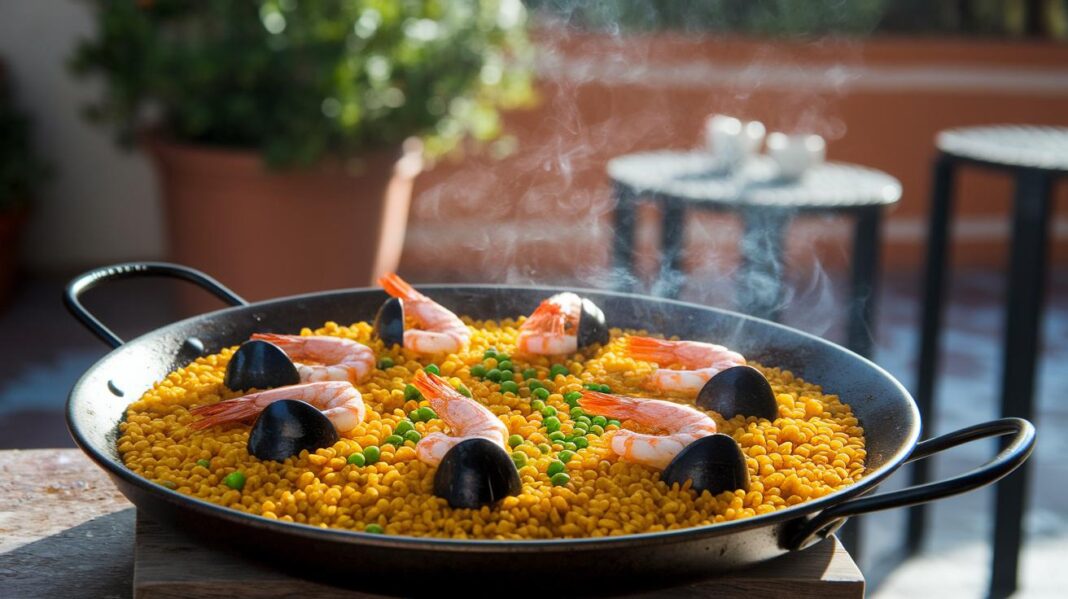

Ever wonder if changing the rice could take your paella to the next level? Try short-grain rice. It soaks up the spices and keeps a nice, firm bite. When you add saffron, paprika, and a smoky stock, every grain becomes bursting with flavor.
In this post, I show you how using short-grain rice improves the texture and saves you money while keeping that true paella taste. Stick with us and discover how this little change makes a big difference in your kitchen.
short-grain rice for paella: Tasty Twist
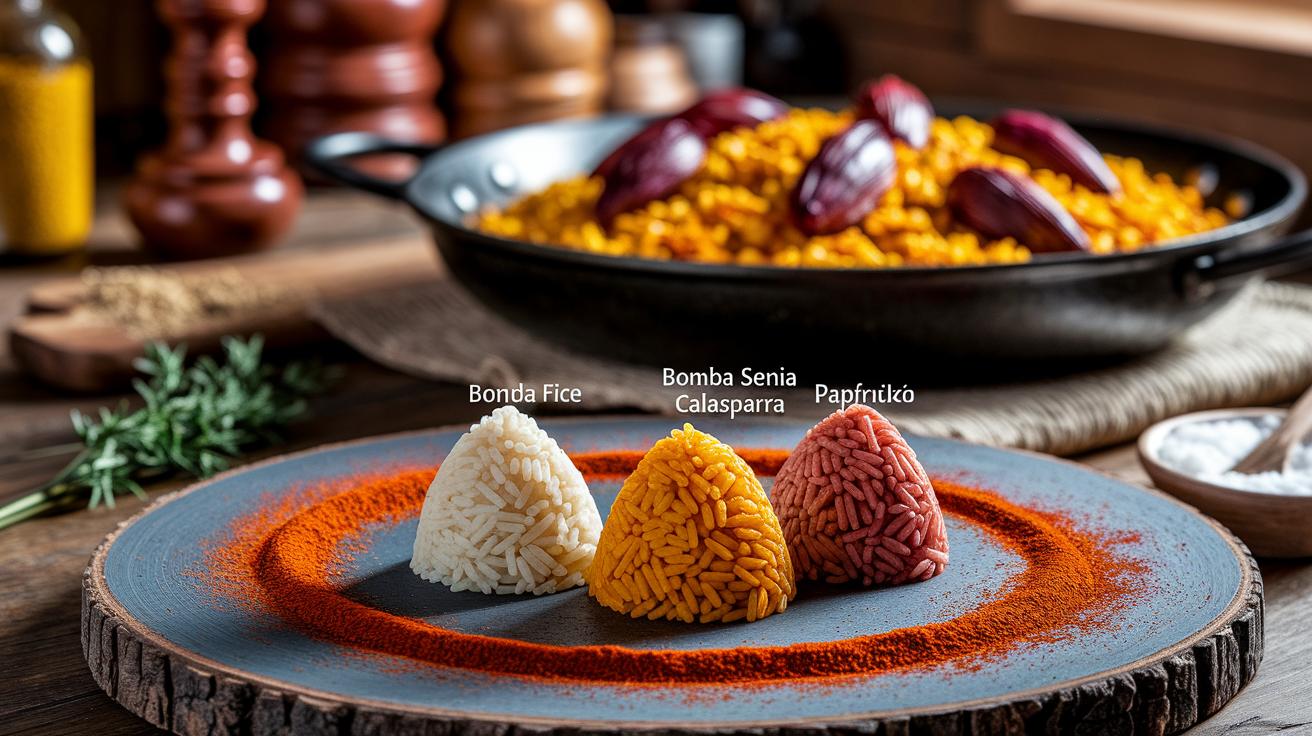
Picking the right rice is key for great paella. Short-grain rice soaks up liquid well yet stays firm. Each grain grabs the saffron, paprika, and smoky stock for extra flavor.
The type of rice changes the texture and how the broth is absorbed. A good grain means you get separate, tasty bites instead of a mushy mess. Trying different kinds can help you get that traditional paella feel with a modern twist.
- Bomba rice: Soaks up to 3 times its weight in broth while keeping each grain distinct.
- Senia rice: Known for high yield (around 7,500 kg/ha) and a friendly price.
- Calasparra rice: From Murcia, it takes in lots of liquid and retains a firm bite.
- Albufera rice: A hybrid that mixes good yield, price, and texture to carry flavor perfectly.
Short-Grain Rice vs. Traditional Bomba: A Detailed Comparison
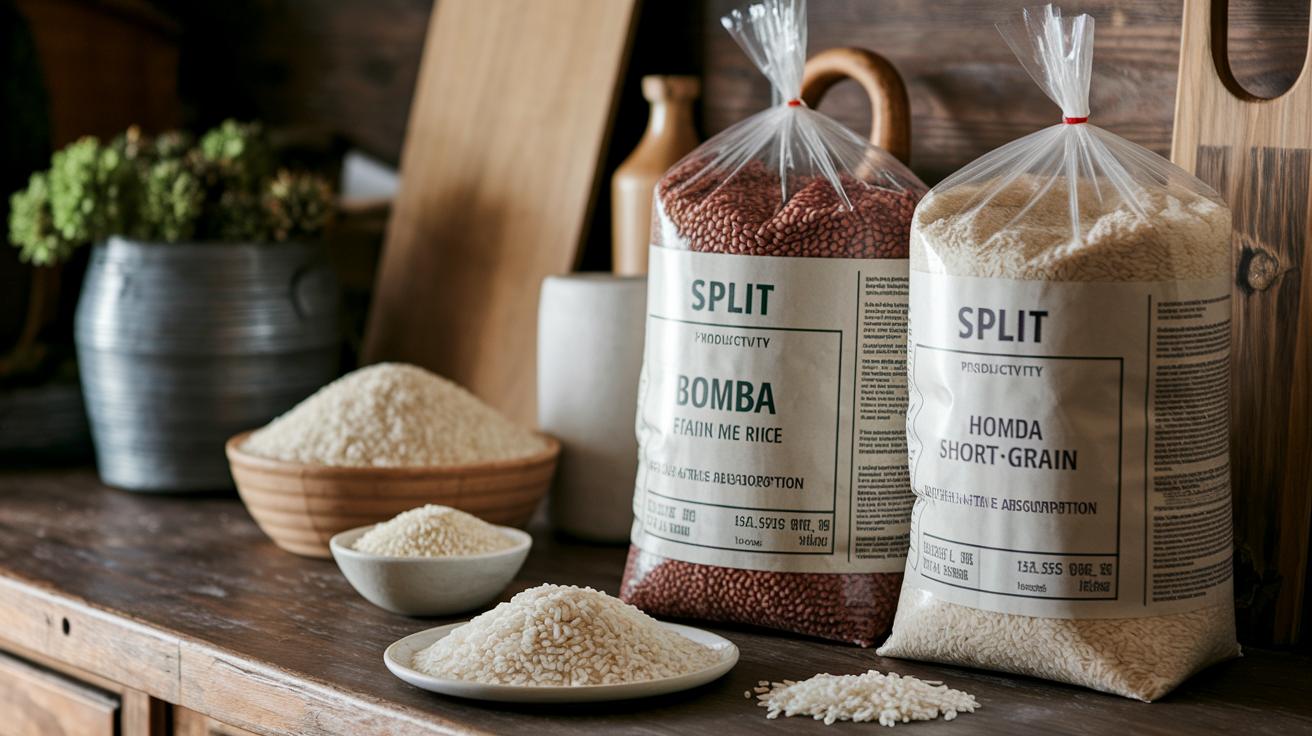
When making paella, choosing the right rice makes a big difference in how the dish tastes and looks. Traditional Bomba rice soaks up liquid up to 3 times its weight, and its grains stay firm and separate even in a hot pan. However, it costs more and has a lower yield of 3,200 kg/ha. On the other hand, common short-grain rice like Senia produces about 7,500 kg/ha, soaks up a bit less liquid, and gives a creamier texture that works well for serving larger groups.
| Rice Type | Productivity (kg/ha) | Absorption Capacity | Price Level |
|---|---|---|---|
| Bomba Rice | 3,200 | Up to 3x its weight | Higher |
| Generic Short-Grain (e.g., Senia) | ~7,500 | Slightly less than Bomba | Lower |
Your choice comes down to what you value more. If you love a classic paella look with grains that stay distinct, go for Bomba rice. But if you're after a budget-friendly option with a creamier texture, then generic short-grain rice is a great pick.
Top Short-Grain Rice Varieties for Authentic Paella
Bomba Rice
Bomba rice is the top pick for a true paella. It keeps its shape and soaks up liquid up to 3 times its weight. This helps each bite burst with saffron, paprika, and smoky broth flavors.
Senia Rice
Senia rice is perfect when you need to serve a big group. It offers a strong bite and soaks up enough liquid while keeping costs low. It’s a smart choice when you want a reliable meal base.
Calasparra Rice
Calasparra comes from Murcia and is known for taking in deep liquid. Its slightly chewy center adds extra depth to paella, allowing it to hold every bit of the savory broth while keeping its texture.
Albufera Rice
Albufera rice mixes the best traits of Bomba and Senia. The grains stay firm but soak up just enough liquid. This balance brings out the bright, mixed flavors in your paella.
Maratelli Rice
Maratelli rice has a firm texture like Bomba but yields more rice for your buck. It holds its texture throughout cooking, making it a great option for home cooks looking for quality without a high price.
Marisma Rice
Marisma rice is a bit different with its mid-sized grains. It works well if you prefer a paella that is a little soupy or stickier. This variety adds a unique touch to a traditional paella dish.
Essential Cooking Tips for Perfect Short-Grain Paella

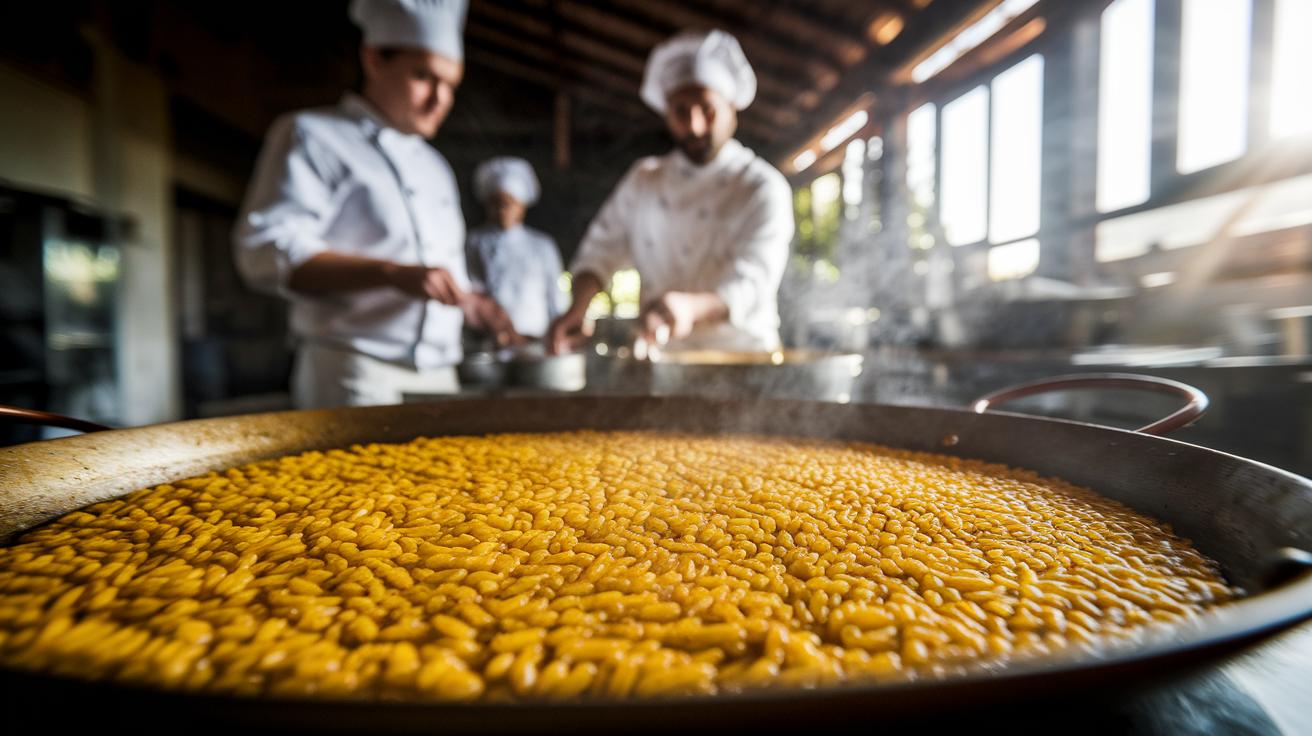
Technique really matters when cooking with short-grain rice. By following a few simple steps, you'll boost the flavor and get that classic paella texture you love.
- Use a 3:1 liquid-to-rice ratio so the rice soaks up lots of hot stock.
- Begin with a quick sauté of chopped tomatoes, onions, and garlic to form a tasty sofrito.
- Spread the rice evenly in your pan so every grain gets a bit of flavor.
- Pour in hot stock that’s been seasoned with saffron and paprika to add a bright color and rich aroma.
- Keep the heat on medium, which helps the rice cook evenly.
- Once done, let the paella rest for 5–10 minutes so the rice settles and forms a crispy bottom layer known as socarrat.
After you add the saffron stock, leave the rice without stirring. This step is key to creating that crispy socarrat, which gives the dish a flavorful punch. Letting the paella rest also helps the rice absorb the delicious broth, so every bite is tender and bright, with a taste that stays true to traditional Spanish cooking.
Where to Source Premium Short-Grain Rice for Paella

Spanish Specialty Markets
If you love shopping in person, try visiting Spanish specialty markets. These stores sell short-grain rice in sealed 1 kg bags with clear labels showing the region and harvest date. You might find Bomba rice from Valencia or Calasparra rice from Murcia. The labels give you key details so you know you're picking the best rice for a tasty paella. Plus, you can ask the vendors for their tips and insights on the rice and current crop conditions.
Online Retailers and Gourmet Shops
If you don’t have a market nearby, check out online retailers or gourmet shops. They specialize in single-origin rice and clearly note if the rice is from Valencia or Murcia. They pack the rice in moisture-proof bags to keep it fresh during shipping. Detailed product descriptions help you choose a premium rice that delivers the perfect texture and rich flavor your paella needs.
Packaging and Storage Tips
Before you buy, look for a clear harvest date and origin on the packaging. Rice harvested recently usually tastes the best. Once you have your rice, store it in a cool, dry place. This way, your premium rice stays fresh until you’re ready to cook a real Spanish classic.
Substitutions and Adaptations: Choosing Alternative Short-Grain Rices
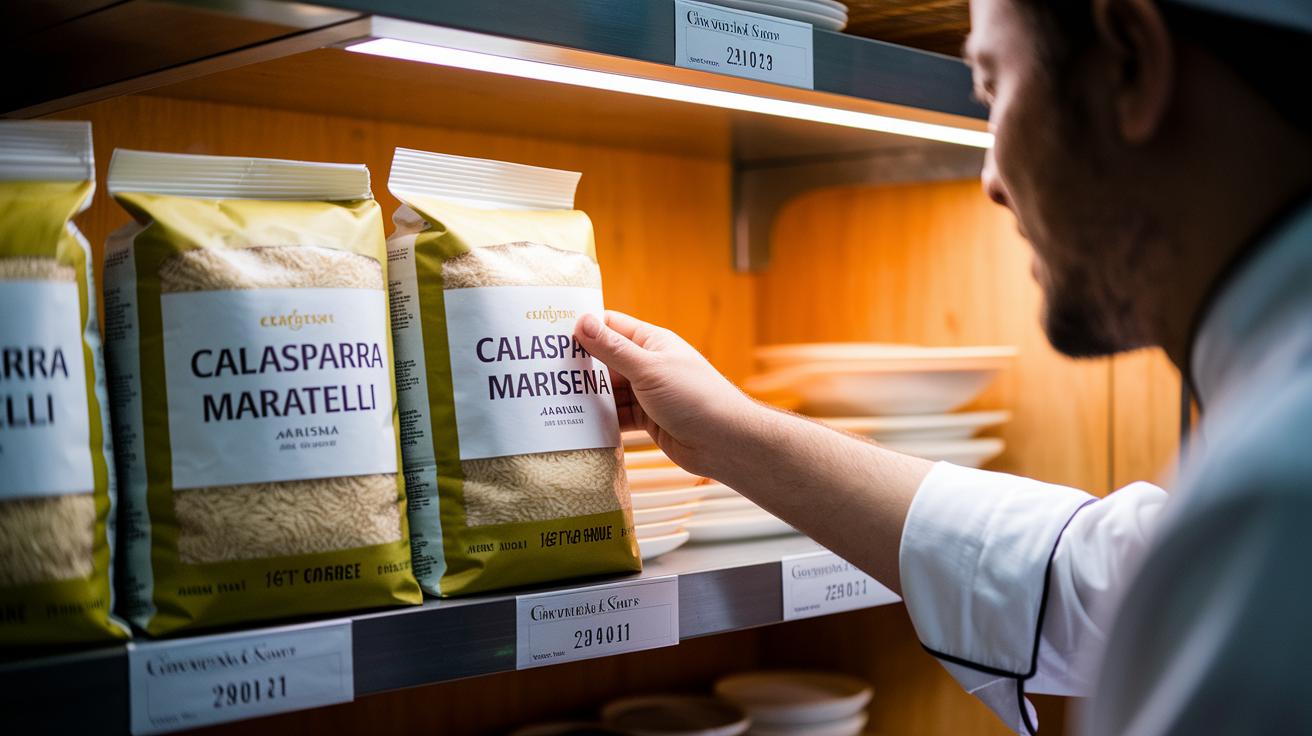
If you don't have Bomba rice, try another short-grain variety to keep that true flavor. Options include Calasparra, Senia, Albufera, Maratelli, or Marisma. Pick one that fits your taste, texture, and budget. For example, Calasparra gives a firm, chewy texture that works well in hearty dishes, so you might need to adjust the cooking time for extra tenderness.
Change your cooking steps based on the type you choose. With Calasparra, let it cook a bit longer. For Maratelli, keep an eye on it so it doesn't overcook. And if you use Marisma, add a small amount of extra liquid for a stickier finish. These tips keep all your substitution ideas in one handy spot.
Final Words
In the action, you’ve learned how the right rice can transform your paella into a dish with authentic texture and flavor. We explored key rice types, compared traditional Bomba with other efficient short-grain options, and shared step-by-step cooking tips to help you build confidence in the kitchen. The guide also showed where to find premium picks and how to handle substitutions without stress.
Keep experimenting and enjoy every bite. Trust quality short-grain rice for paella to make your dinner both simple and delicious.
FAQ
Where can I buy short-grain rice for paella?
The answer for where to buy short-grain rice for paella is to check specialty Spanish markets and trusted online gourmet shops that offer sealed, region-labeled packages like Bomba or Calasparra.
What is the best type of rice for making authentic paella?
The answer for the best type of rice for paella is that traditional Bomba rice is ideal for absorbing broth and maintaining firm grains, though varieties like Calasparra and Senia also perform well.
Can I use short-grain rice for paella or Spanish rice recipes?
The answer for using short-grain rice in paella or Spanish rice recipes is yes; its texture and absorption qualities make it a great choice for an authentic finish.
Which rice can substitute for traditional paella rice?
The answer for a paella rice substitute is that Arborio or medium-grain varieties can work when Bomba rice isn’t available, although they may yield a creamier dish.
Where can I find Bomba rice near me?
The answer for finding Bomba rice near you is in specialty Spanish markets, gourmet food stores, or reputable online retailers offering imported paella rice from Spain.
What distinguishes medium-grain varieties like Arborio from short-grain paella rice?
The answer for what distinguishes Arborio from short-grain paella rice is that medium grains create a creamier texture, while authentic short-grains like Bomba stay firm and separate when cooked.