


Ever wonder why paella rice makes a meal truly memorable? The right rice, like Bomba or Calasparra, does more than just fill your plate. It soaks up all the bold flavors and adds a real, authentic taste that turns simple dishes into celebrations. Each grain holds its shape while absorbing every rich ingredient, inviting you to enjoy every bite. Today, let’s explore how choosing the perfect rice can transform your meal.
Choosing the Perfect Paella Rice: Varieties and Supplier Guide

Paella rice is a type of short-grain Spanish rice available in varieties like Bomba, Valencia, and Calasparra. This rice soaks up flavors while keeping its shape, making your paella taste true to tradition. Using the right kind turns a simple meal into an authentic experience.
Bomba rice can take in up to 3 times its volume in liquid without breaking. It remains firm when mixed with bold ingredients. Calasparra rice also soaks up liquid, usually around 2 to 3 times its volume, and has a softer bite. Each type changes the texture of your dish in its own way, so choose the one that suits your taste.
You can find these wonderful rice options in Spanish markets and specialty grocery stores. Local shops often provide tips on which rice is best for your recipe. Online retailers are a helpful choice too. When you order online, check the origin label to confirm you are getting genuine paella rice. Also, compare bulk and packaged options to get the best value.
Paella Rice Grain Characteristics: Why Short-Grain Matters

Short-grain Spanish rice has round, plump kernels packed with amylopectin (a type of starch that gives a firm yet tender bite). The compact shape lets each grain soak up liquid evenly, which is key for forming the socarrat, the tasty, caramelized crust at the bottom of your paella pan. This unique texture helps spread flavors evenly while keeping the grains intact. When you see a light browning on the bottom, it means the rice is reaching its perfect texture.
Even liquid absorption is essential for that satisfying bite. If the rice cooks too long or the heat is too high, the grains can burst and turn mushy. A simple tip is to keep the heat at a steady medium and let the rice rest for a few minutes off the heat so the moisture settles. This approach gives you a balanced, resilient texture that makes every bite of paella memorable.
Paella Rice: Exceptional Taste for Memorable Meals
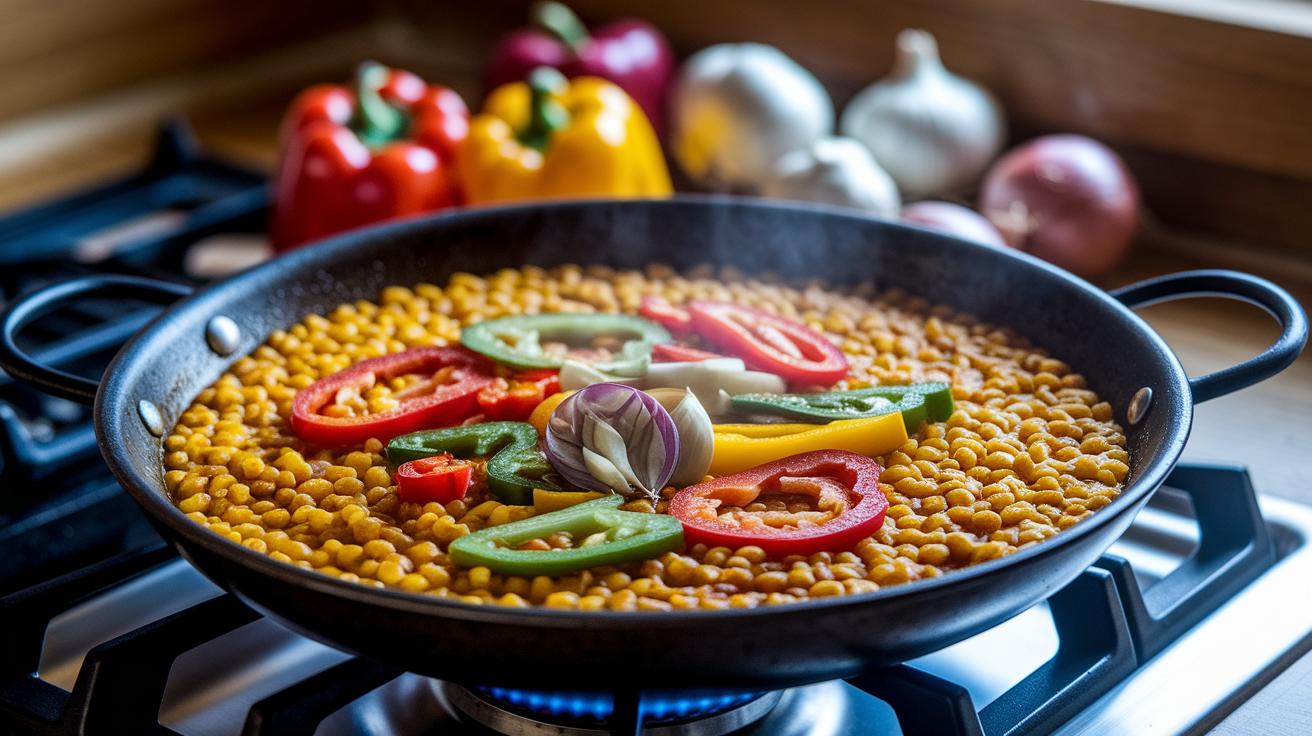
Great paella rice starts with the right mix of water and heat. I use a simple rule: 1 cup rice to 3 cups hot broth. The broth, mixed with a few saffron strands, gives the dish its bright color and gentle aroma. A 30 cm (10-inch) paella pan or a heavy, large skillet on medium heat works best to keep everything warm and even.
First, warm up your aromatics, onion, garlic, peppers, tomato, bay leaf, paprika, and saffron, for about 5 minutes. This creates a rich base that lifts every bite. Then, follow these steps:
- Heat 1-2 tablespoons of olive oil. Sauté your aromatics until they are soft.
- Stir in the rice so each grain gets a light coat of oil and spices.
- Pour in the hot broth with saffron threads. This step helps brighten the dish.
- Let the rice simmer uncovered for 15 minutes. Do not stir as it cooks.
- Increase the heat for the final 5 minutes. This builds the crispy bottom layer, known as socarrat.
Keep the heat steady and avoid stirring once you add the broth. Stirring can break the delicate texture of the rice and stop it from forming that tasty crispy base. If the broth evaporates too fast, add a bit more hot broth before you increase the heat. This careful control means every grain stays distinct with a soft top and satisfyingly crunchy bottom.
Substitutes and Alternatives for Paella Rice Varieties
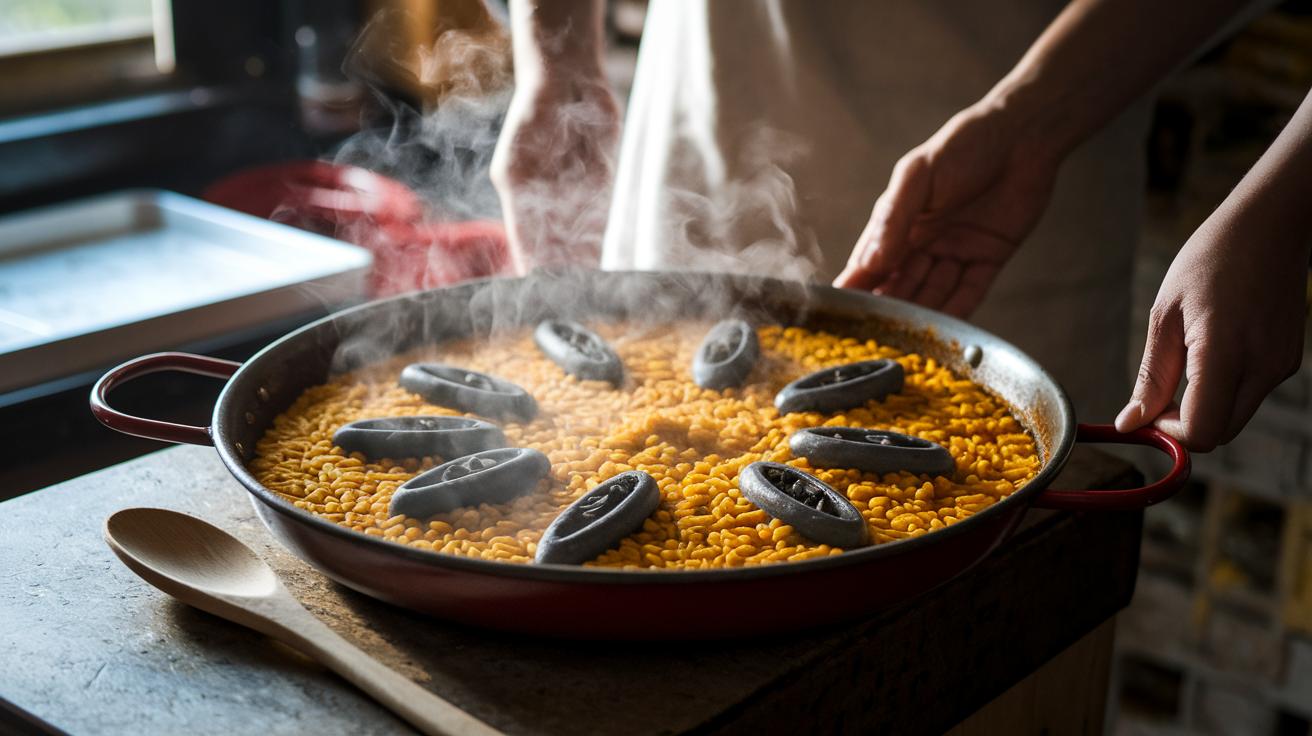
If you can’t find traditional paella rice, try medium-grain Calrose rice instead. Use 3.75 cups of broth to help the rice cook right without becoming too soft. This works well when you want a paella with a firm bite. For a lower-cost option, store-brand rice usually gives similar results. Every brand soaks up liquid a bit differently, so adjust the broth as needed.
For a creamier dish, consider Arborio or another risotto rice. When you use risotto rice, add an extra 0.5 cup of water for the right consistency. Many cooks pick these rices when they want paella that feels a bit softer and more comforting. For a handy tip, check an instant pot risotto recipe for ideas on adjusting cooking times and liquid amounts.
Regional Roots of Paella Rice: History and Traditions
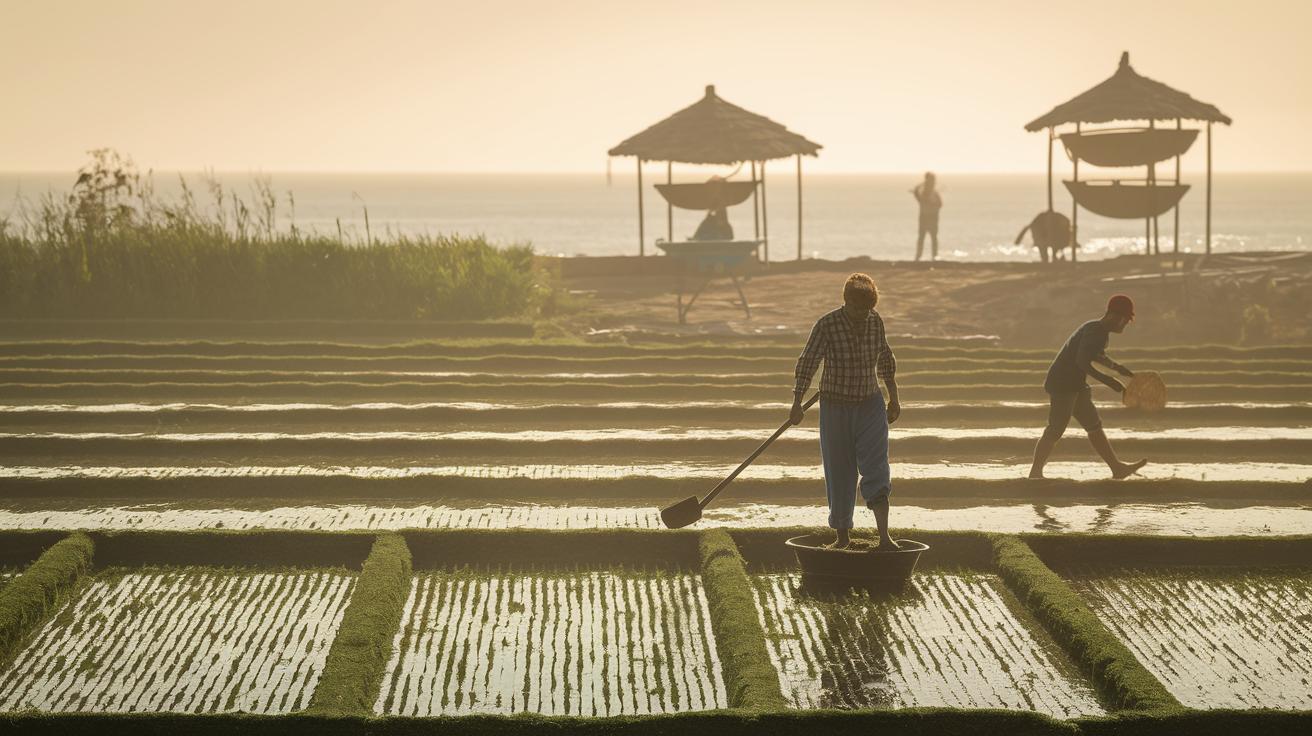
In 18th century Valencia near the Albufera lagoon, paella rice became a local staple. Local farmers grew short-grain rice that later formed the heart of paella, a dish full of rich history. The fertile land helped create a cooking tradition that is still celebrated today.
The Moors had a big influence on paella rice. They brought new methods for growing rice and introduced saffron. This spice gives the dish a bright, golden color and a unique aroma. These methods and flavors are still at the heart of what we call classic paella.
Old Valencian recipes call for foods like rabbit, chicken, green beans, and snails. These ingredients mix local produce with bold tastes to create a dish steeped in history.
Family feasts and local festivals played a key role in perfecting paella. In kitchens, lessons were shared and techniques were passed on from one generation to the next. Every paella becomes more than just a meal; it is a celebration of heritage and togetherness.
Storing and Preparing Paella Rice: Expert Tips
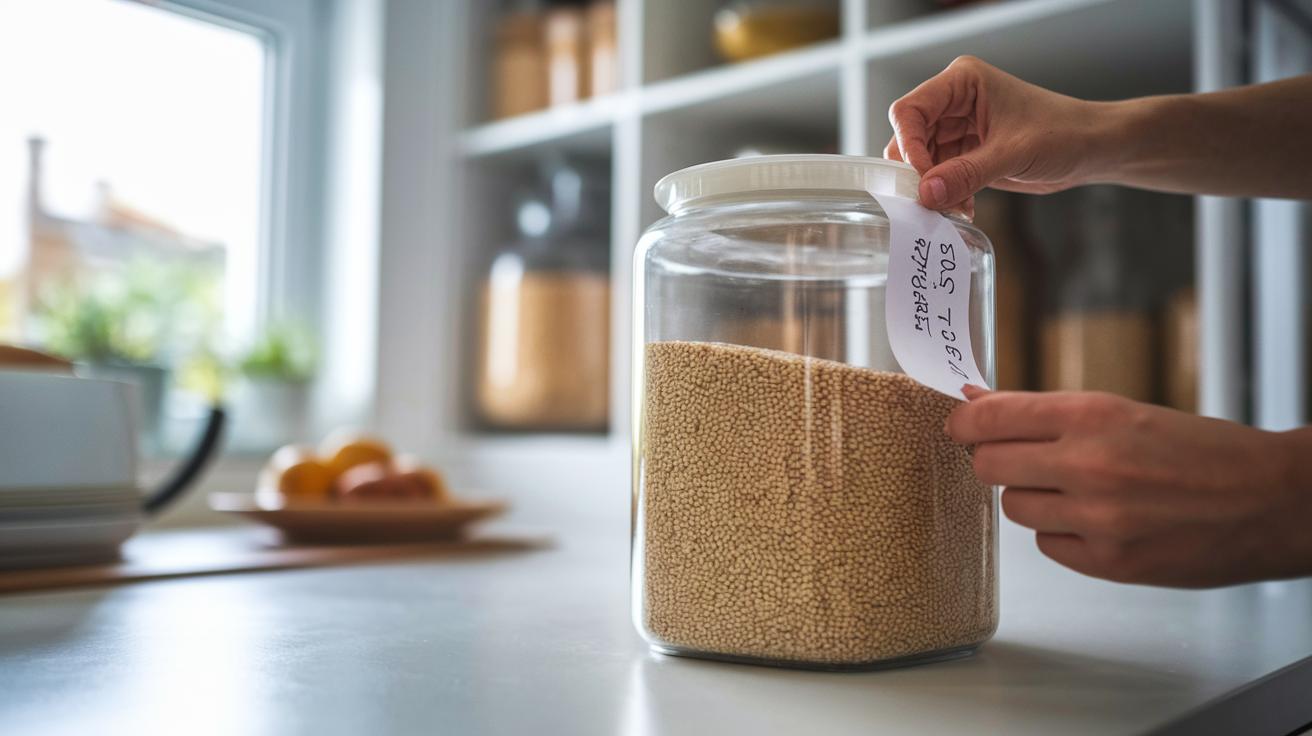
Keep your paella rice fresh by storing it in an airtight container in a cool, dry place. It stays good for up to 1 year. Write the purchase date on the container so you know which batch to use first. This simple step helps you use older rice first, reducing waste and ensuring every dish tastes great.
Before cooking rice that’s been stored for a while, give it a quick rinse to remove any dust. If the rice feels dry, add an extra 1/4 cup of broth when you cook it. This little trick helps bring back its natural moisture and gets that tasty, crisp socarrat you love in paella. Simple steps like these keep your meal balanced in flavor and texture.
Final Words
In the action, we covered choosing top paella rice varieties, how each grain absorbs liquid differently, and simple cooking tips for a perfect socarrat. The guide also shared smart substitutes and storage hints so you can always have fresh rice ready. Each section was designed for clear, stress-free steps that make mealtime easier. Keep these tips in mind and experiment with your favorite paella rice for a delicious, reliable dish every time. Enjoy cooking and savor every bite!