


Mole sauce is more than just a sauce, it carries a story of history and flavor. Native cooks first mixed dried chiles and local spices to create a simple, bold sauce. Later, convent cooks added cinnamon, chocolate, and other ingredients to enrich its taste. Today, every bite of mole tells a tale of tradition and change, where each ingredient brings a piece of history into our kitchens.
Tracing the Origins in Mexican Mole History

Mexican mole got its name from the Nahuatl word "molli" which means mix or sauce. Long ago, native people mixed chia seeds, dried chiles, and local spices to create a simple sauce. They ground these ingredients with stones to make a thick, tasty paste. These early recipes set the stage for the mole we enjoy today.
The first written mention of mole comes from the 1500s. An account during Aztec rituals for the fire god Xiuhtecuhtli described these sauces as an important part of their ceremonies. This record shows how native cooking linked food to tradition and celebration.
When Spanish colonizers came, mole began to change. Convent cooks added spices like cinnamon, cloves, anise, and ginger. They also mixed in black pepper and chocolate to deepen the flavor. This blend of native methods with new ingredients gave mole its unique taste, which still influences our kitchens today.
The history of mole shows how native and Spanish ideas came together. Every ingredient, whether a humble dried chile or an exotic spice, adds to its lasting charm. Mole tells a story of culture and change with every bite.
Experts agree that mole has evolved alongside Mexican culture. From centuries-old traditions to modern cooking approaches, mole connects past ingredients with creative techniques. Its legacy continues to inspire cooks all over.
Regional Recipe Diversity in Mexican Mole History
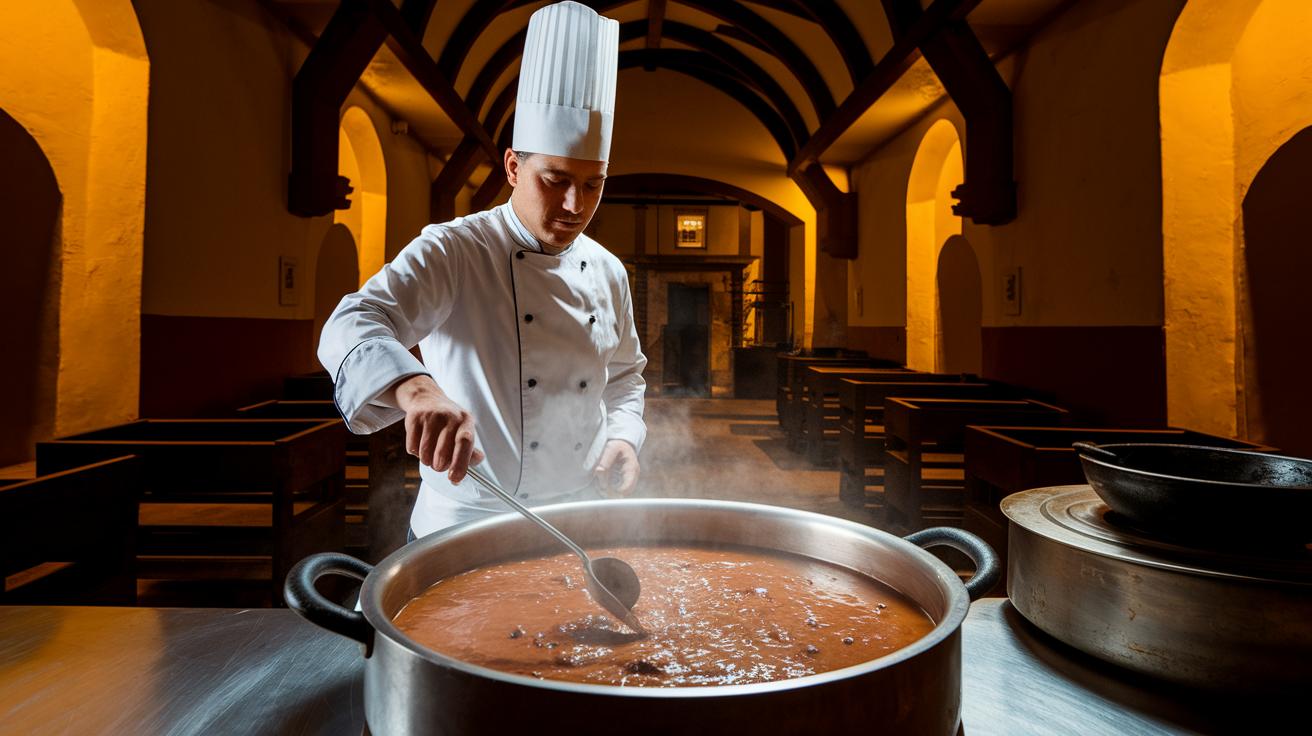
In Puebla, a well-known legend says that in the 1600s, nuns mixed turkey, nuts, bread, chiles, herbs, and chocolate when Bishop Manuel Fernandez dropped by unexpectedly. Their clever blend gave rise to Mole Poblano and showed how local ingredients and creative methods can spark a lasting culinary tradition.
Oaxaca brings even more variety to the table with seven different moles crafted in local convent kitchens. Mole Negro, with its deep, dark flavor, stands out among them. Each sauce captures a slice of Oaxacan heritage, blending traditional cooking with indigenous ingredients to create unique tastes.
Over in the Yucatán, Chimole offers a twist with its black recado. This sauce mixes arbol, ancho, achiote, cloves, epazote, and Mexican oregano to deliver a smoky punch. Other regions keep the evolution going: Mole Amarillo uses chilcostles, Mole Chichilo pairs chayote with green beans, and Mole Verde blends tomatillo with epazote.
With over 50 variations and nearly every town touting its own version, the mole story is one of regional creativity and pride. Each recipe pays tribute to a long legacy of Mexican culinary art, honoring local flavors while staying true to its historic roots.
Key Ingredients Shaping Mexican Mole History

Mole gets its deep flavor from a mix of carefully chosen ingredients. Dried chiles like ancho, mulato, and pasilla lay down a rich, smoky base. Warm spices such as cinnamon, cloves, and anise add a gentle heat, while sesame, pumpkin seeds, and assorted nuts bring a nice crunch. A little dark chocolate adds both subtle sweetness and extra depth, giving the sauce its unique character.
Each ingredient is treated with care. They are toasted one at a time to unlock their full flavors, filling the kitchen with a comforting, homey aroma. After toasting, they are ground by hand using a traditional stone tool called a metate (a flat, smooth stone used for grinding), turning the mix into a smooth, layered paste.
A nod to history comes with the addition of ginger and black pepper, introduced through the spice trade. For extra flavor, you might toast a pinch of black pepper before mixing it in. This small step adds a delightful contrast that complements the sweet and spicy notes of mole. Every bite truly tells a story.
Cultural Significance through Mexican Mole History

Mole is a beloved sauce in Mexican cooking that brings people together. Families and friends serve it at weddings, festivals, and Day of the Dead celebrations, welcoming everyone with warmth and care. Every spoonful is a mix of local flavors and Spanish spices, a true blend of old and new.
At community feasts and ceremonies, mole does more than fill bellies, it connects generations and keeps traditions alive. Each batch tells a story of native ingredients mixed with a hint of colonial influence, making every meal a tribute to heritage.
Today, mole still shines at gatherings, uniting people with its rich, layered taste. Its deep flavor is a delicious reminder of the longstanding spirit of Mexican culture.
Mexican Mole History: Timeless Culinary Charm

Chefs today are giving mole a fresh spin by mixing old recipes with modern ideas. Upscale kitchens now serve mole with creative proteins and unexpected sides, from fusion tacos to mole-inspired risotto. They keep its classic taste alive while adding a modern twist.
Smart kitchen tools like blenders and food processors now speed up steps that used to take hours, like toasting spices and grinding chiles by hand. This lets cooks focus on layering rich, deep flavors without the repetitive work.
New cookbooks revisit old mole recipes to keep the sauce’s historic roots in the spotlight. Researchers also study mole’s flavor changes over time, showing how native cooking methods blended with ingredients brought during the colonial era.
Mole is a hit in cooking classes, food festivals, and online tutorials. Chefs and home cooks alike enjoy both upscale fusion dishes and traditional mole recipes. This mix of careful study and creative cooking ties mole’s past to its vibrant modern life.
Final Words
In the action, our exploration of mexican mole history took us from ancient indigenous sauces to the blend of colonial spices and regional twists. We traced the creation of mole beginning with simple native ingredients and moving to refined, modern reinterpretations. The blog post highlighted key techniques, the hands-on preparation process, and the sauce’s role in community celebrations. Today’s mole continues to inspire home cooks to try familiar flavors with a fresh twist. Enjoy sharing these rich and layered recipes with your loved ones.
FAQ
Q: Mexican mole history Wikipedia
A: The Mexican mole history on Wikipedia explains that this sauce blends indigenous culinary practices with Spanish spices, tracing its roots from pre-Hispanic times to the colonial era.
Q: Mexican mole history facts
A: The Mexican mole history facts reveal that native ingredients and colonial spices combined to create a layered sauce, showcasing both indigenous cooking methods and European influences.
Q: Mexican mole history in America
A: The Mexican mole history in America illustrates that the traditional sauce migrated to U.S. kitchens, where it maintained its cultural roots while adapting to modern culinary settings.
Q: Mole Oaxaca
A: The Mole Oaxaca explanation highlights that the region is known for its diverse moles, like Mole Negro, which mix native spices and local ingredients developed in traditional convent kitchens.
Q: Mole poblano history
A: The Mole Poblano history explains that 17th-century nuns in Puebla created a turkey-based sauce enriched with nuts, chocolate, and spices, turning it into a celebrated dish in Mexican cuisine.
Q: What is Mexican mole
A: The Mexican mole definition states that it is a rich, complex sauce combining dried chiles, spices, seeds, and chocolate, reflecting a fusion of indigenous and colonial culinary traditions.
Q: Mole ingredients
A: The Mole ingredients explanation reveals that key components include dried chiles like ancho, mulato, and pasilla, along with spices such as cinnamon and cloves, seeds, nuts, and even chocolate, blended traditionally.
Q: Where did mole come from in chemistry
A: The mole in chemistry explanation states that the term comes from the Latin word “moles,” meaning mass, and refers to a measure of substance quantity, which is entirely separate from the Mexican sauce.
Q: Where did the Mexican mole come from?
A: The origin of Mexican mole describes that it began in pre-Hispanic times with indigenous sauces and later incorporated Spanish spices and techniques, evolving into a beloved blend.
Q: What do moles mean in Mexican culture?
A: The cultural meaning of moles in Mexican culture shows that they symbolize tradition and festivity, acting as a mark of heritage and celebration during important family and community events.
Q: Is mole Mayan or Aztec?
A: The explanation on whether mole is Mayan or Aztec highlights that the sauce draws from pre-Hispanic traditions, with influences from both Mayan and Aztec culinary practices later enriched by Spanish flavors.
Q: What is the story behind mole?
A: The story behind mole unfolds by showing how native sauces blended with colonial spices evolved through ancestral rituals into a diverse culinary symbol, celebrated in festivals and family meals.