


Ever thought a meatless lasagna could really hit the spot? This easy recipe walks you through making a tasty veggie lasagna that's full of flavor. You'll cook the noodles, layer in crisp vegetables with a rich tomato sauce, and finish it off with a melty, golden topping. Perfect for busy weeknights, this step-by-step guide brings a fresh burst of flavor right to your dinner table.
Vegetarian Lasagna Step-by-Step Guide
-
First, get your noodles ready. Choose boiled noodles or no-boil ones (we like the thinner type). Fill a large pot with water and add salt plus 2 tsp olive oil to keep the noodles from sticking. When the water boils, add the noodles and cook them until al dente, following the directions on the package. Drain them, give a quick rinse with cold water, and lay them flat on aluminum foil. If you're using no-boil noodles, measure about ¾ of a 1-lb box; these will cook fully in the oven.
-
Next, layer your lasagna in a 9×13-inch baking dish. Start by spreading 1 cup of tomato sauce evenly over the bottom. Lay the noodles over the sauce, making sure to cover every corner. Then add a generous layer of your favorite filling, like a mix of ricotta and roasted vegetables, or go with one or the other if you prefer. Build the layers until you’ve used all your ingredients, and finish with a top layer of cheese that will turn golden and bubbly.
-
Finally, bake your lasagna. Place the dish in an oven preheated to 400°F and bake uncovered for 30 minutes, or until the cheese looks golden and bubbly. Enjoy a hearty, satisfying meal perfect for a quick weeknight dinner.
Vegetarian Lasagna Vegetable Tomato Sauce

Start by heating 2 Tbsp extra virgin olive oil in a large pan over medium heat. Add 1 chopped onion and cook until it is soft and clear. This brings out a lovely, sweet aroma.
Next, stir in 3 minced garlic cloves and ½ tsp red pepper flakes for a gentle kick. Once you notice the garlic is fragrant, add 4–5 cups of chopped vegetables. Here are some great options to try:
- Zucchini
- Summer squash
- Roasted red peppers
Then, pour in plenty of crushed tomatoes and add ¼ cup fresh basil leaves. Mix everything well so the basil spreads evenly. Bring the sauce to a simmer. Let the vegetables soak up the tomato juices while keeping a slight crunch. Watch the pot closely so the vegetables become tender but still offer a bit of bite.
A simple tip: during simmering, you can add a pinch of salt and freshly ground black pepper for even more flavor. Enjoy the delicious, aromatic layers that make this sauce perfect for your vegetarian lasagna.
Vegetarian Lasagna Noodle Selection and Prep
Pick the noodle type that fits your schedule and taste. If you’re using boiled noodles, fill a large pot with water, add salt and 2 tsp olive oil, then heat until it boils. Next, add your noodles and cook until they are just firm (al dente), following the package directions. Drain them, rinse with cold water, and spread them out on aluminum foil so they don’t stick together.
Example: Boil 4 quarts of water with a pinch of salt and 2 tsp olive oil. Drop in the noodles and cook until just tender.
For no-boil noodles, choose the thinner version so they fully cook in the oven without extra water. Many brands offer quality gluten-free noodles that work well as an alternative to wheat noodles in this recipe.
Vegetarian Lasagna Assembly and Layering Techniques
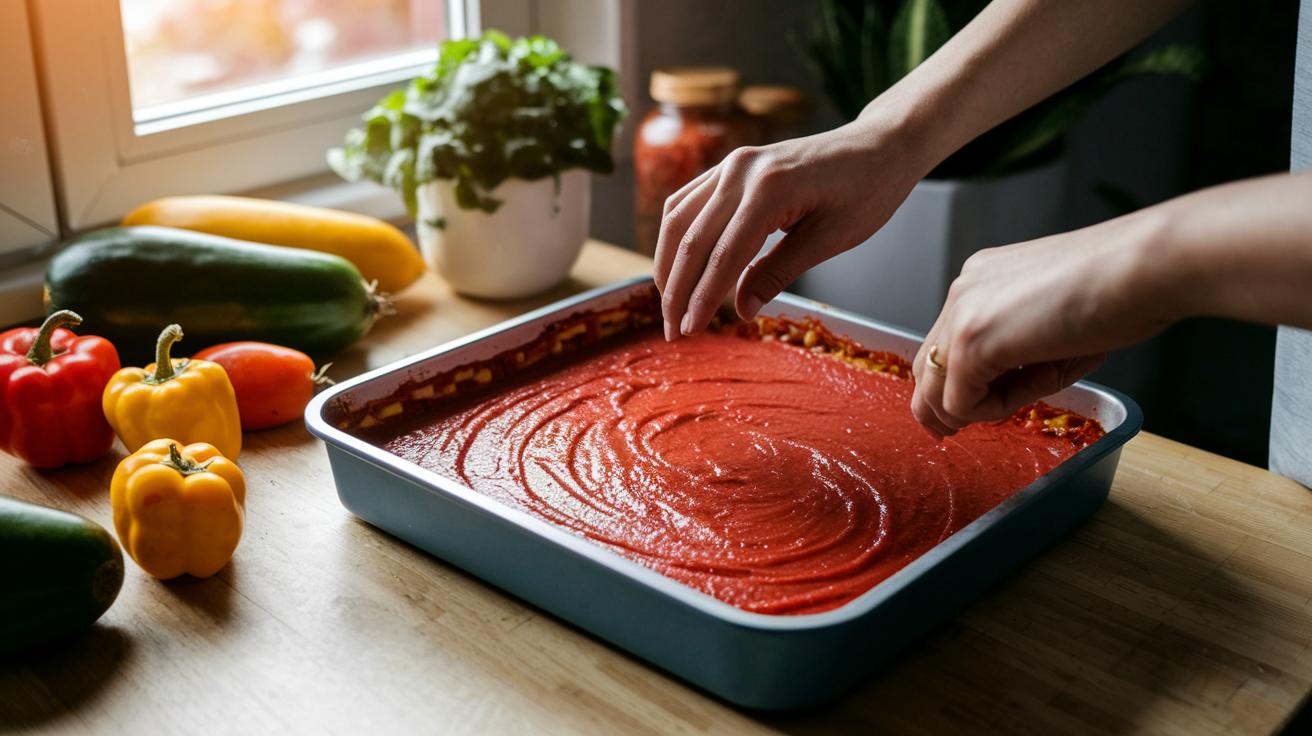
Spread 1 cup of homemade tomato sauce evenly in a 9×13-inch pan. This first layer keeps your noodles from sticking and adds moisture. Next, lay down one layer of noodles. Then, dollop your ricotta mixture (3 cups whole-milk ricotta, about 24 oz) over the noodles and smooth it gently.
Now add a layer of your favorite veggies. Use roasted red peppers, sliced zucchini, sautéed onions, cremini mushrooms, and fresh baby spinach. This mix brings a nice balance of creamy ricotta, soft noodles, and crisp vegetables.
Repeat these layers until you use all your ingredients. For the final layer, sprinkle shredded cheese on top to create a golden, bubbly finish.
A quick tip: Brush any extra sauce along the edges of the pan to keep the noodles moist as they bake. Each slice will then hold its shape, with every bite offering a perfect mix of flavors and textures. Enjoy assembling your tasty lasagna!
Vegetarian Lasagna Baking Times and Temperatures
Preheat your oven to 400°F. For the classic version made with whole-milk ricotta and a shredded cheese topping, bake the dish uncovered for 30 minutes until you see bubbly, golden cheese.
For the vegan option using vegan ricotta without a cheese topping, cover the dish and bake for 30–50 minutes until the pasta is tender and the flavors blend well. Then uncover and bake for another 10 minutes to give the top a slight crunch.
Serving and Storing Your Vegetarian Lasagna
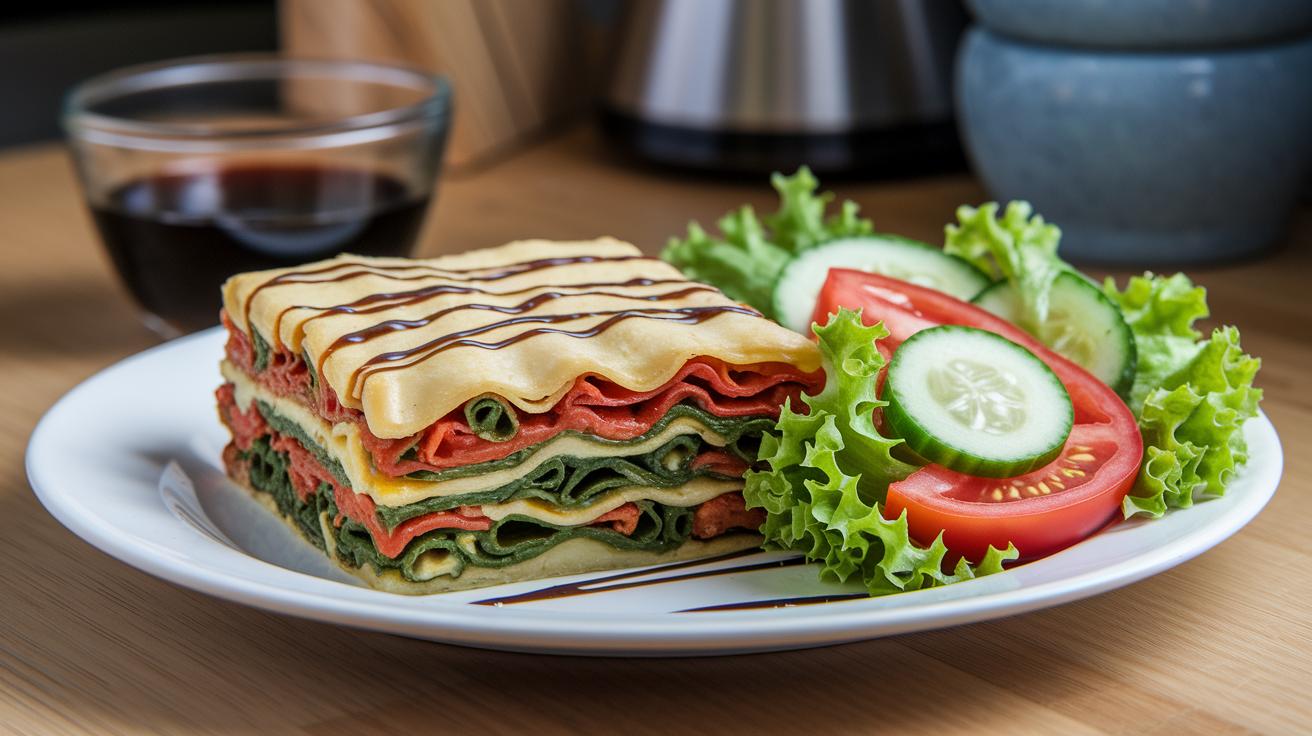
Enjoy your vegetarian lasagna with a bright, crisp salad. Try mixing baby lettuce, sliced cucumbers, diced bell peppers, and juicy tomatoes. Drizzle your favorite Italian, Caesar, or balsamic dressing over the top. This simple side lifts the flavors and textures of the lasagna. Feel free to add a bit of parmesan or a few olives if you’re in the mood for an extra twist.
Keep your meal fresh by storing leftovers right away. Place the lasagna in an airtight container and refrigerate for 3 to 4 days. For longer keeping, freeze portions for up to 3 months. When ready to eat, warm it gently in a microwave or in a 350 F oven until heated through. This gentle reheating helps keep the lasagna tasting just as delicious as when it was made.
Vegetarian Lasagna Variations and Substitutions
Vegetarian lasagna is a flexible dish that works for many diets and taste buds. You can swap classic ingredients to make it lighter, dairy-free, or even gluten-free without losing its hearty appeal. Try using vegan ricotta for a creamy dish free of dairy or replace noodles with cabbage leaves if you want to cut back on carbs. Seasonal vegetables add a fresh twist, and gluten-free noodles work just as well in the layers. These changes let you enjoy a lasagna that fits your nutritional needs and palate.
| Variation | Substitute | Amount | Notes |
|---|---|---|---|
| Vegan Version | Vegan ricotta | 3 cups equivalent | No top cheese; cover during baking |
| Low-Carb Swap | Cabbage leaves | As needed | Use leaves instead of noodles |
| Gluten-Free Option | Gluten-free noodles | ¾ of a 1-lb box | Layer as you would regular noodles |
| Seasonal Veggies | Assorted fresh vegetables | To taste | Mix in what is available |
| Dairy-Lite Variation | Low-fat ricotta | Same as standard | Reduces calories without losing flavor |
Feel free to experiment with these options and make the lasagna your own.
Nutrition and Customization for Vegetarian Lasagna

This vegetarian lasagna is packed with healthy, plant-based ingredients that work together for a balanced meal. It starts with 24 oz whole-milk ricotta, which gives the dish a lovely, creamy base, while mushrooms and spinach add extra protein and fiber for a satisfying bite. You can find estimated nutrition data online for a rough idea of calories and macros, but remember that these numbers are only guidelines and not professional advice.
You can also adjust this dish to match your dietary needs. For a lighter version, try swapping whole-milk ricotta for a lower-calorie alternative or blend in silken tofu to boost creaminess. Using a milk substitute like almond milk can reduce calories without losing texture. Stirring in legumes such as chickpeas adds extra plant protein. You can also mix in fiber-rich vegetables like bell peppers or zucchini to customize the nutritional profile while keeping the flavor fresh and bright.
Final Words
In the action, you’ve seen a clear path from prepping noodles and crafting a veggie tomato sauce to assembling layers and baking your meatless delight. Every step builds on the last, offering easy tips for a fuss-free meal that's both hearty and flavorful.
This guide shows how to make a vegetarian lasagna that’s perfect for busy weeknights. Enjoy the process, experiment with substitutions, and celebrate a bright, delicious dinner that brings comfort and ease.
FAQ
How to make a vegetarian lasagna with white sauce?
The vegetarian lasagna with white sauce starts by preparing a smooth, creamy sauce that layers with noodles, vegetables, and cheese to create a rich, balanced dish.
How to make a vegetarian lasagna with ricotta or cottage cheese?
The vegetarian lasagna with ricotta or cottage cheese involves mixing your chosen cheese into a smooth filling that layers between noodles and vegetables for extra creaminess.
What are the layers of vegetarian lasagna?
The layers of a vegetarian lasagna usually include a base of sauce, noodles, a creamy cheese layer, and a mix of vegetables like spinach, zucchini, and mushrooms, repeated to build flavor.
What are common mistakes in veggie lasagna?
The common mistakes in veggie lasagna include overcooking the noodles, using too much sauce which makes it soggy, and uneven layering that affects both flavor and structure.
What is a good substitute for meat in lasagna?
A good substitute for meat in lasagna is using hearty vegetables like mushrooms or lentils, which add texture and richness while keeping the dish fully vegetarian.
How can I make a good vegetarian lasagna?
The key to making a good vegetarian lasagna is layering well-cooked noodles with your favorite sauce, a smooth cheese filling, and a variety of fresh vegetables for a balanced, flavorful meal.
How does Jamie Oliver’s vegetarian lasagne differ?
Jamie Oliver’s vegetarian lasagne emphasizes fresh, accessible ingredients and a light tomato sauce, offering a simplified, flavorful approach that feels both hearty and approachable.
How to make an Indian style veg lasagna?
The Indian style veg lasagna incorporates spices, paneer or tofu, and a unique twist on the sauce, delivering a vibrant, flavor-packed dish that merges classic lasagna with Indian culinary influences.