
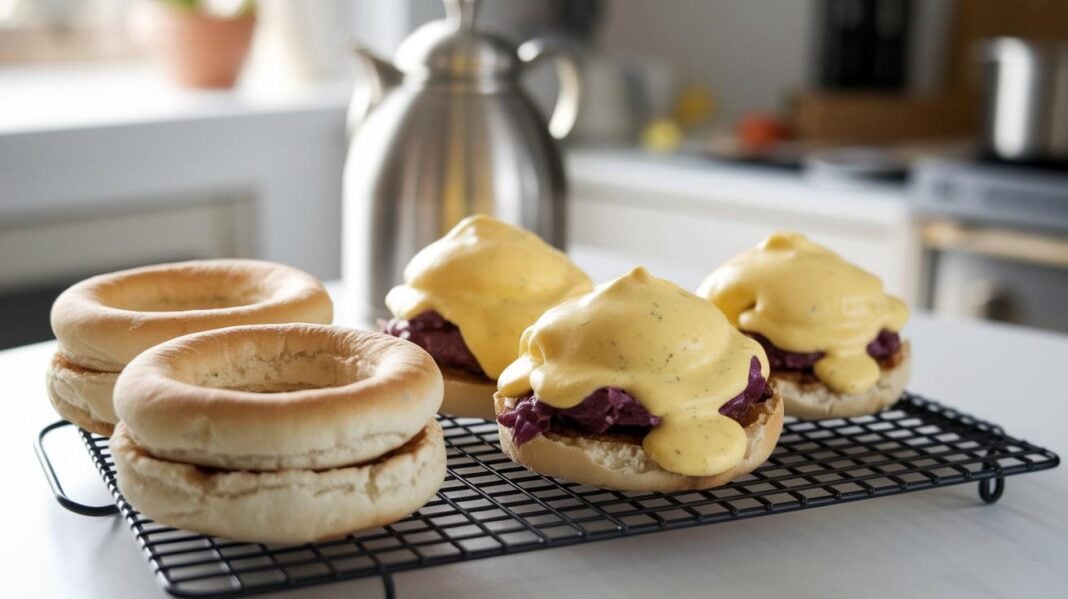

Ever notice how an English muffin can turn your Eggs Benedict into a real treat? A great muffin soaks up every bit of that creamy hollandaise while keeping your egg, ham, or bacon right in place. You'll see a big difference between store-bought muffins and homemade ones. In this post, I look at three muffin choices that hold every topping perfectly, making your brunch even more special.
Selecting the Ideal English Muffin for Eggs Benedict
The perfect muffin makes all the difference for Eggs Benedict. A good muffin has an open, tender crumb that soaks up the hollandaise sauce without getting soggy. It acts like a sponge, catching every drop of sauce and adding flavor with each bite.
When you compare store-bought muffins to homemade ones, the differences stand out. Store-bought versions can vary in thickness and texture, which may lead to uneven sauce absorption. Homemade muffins, especially those made with a bread machine, offer a uniform, porous structure that holds up the toppings beautifully.
Choose a muffin with a soft yet sturdy base and a steady crumb that keeps all the layers in place. It should be thick enough to support warm ham or bacon and prevent sauce from pooling at the bottom. This kind of muffin creates a balanced foundation so you enjoy every bite of creamy hollandaise and perfectly poached egg.
Homemade English Muffin Recipe for a Perfect Eggs Benedict Base
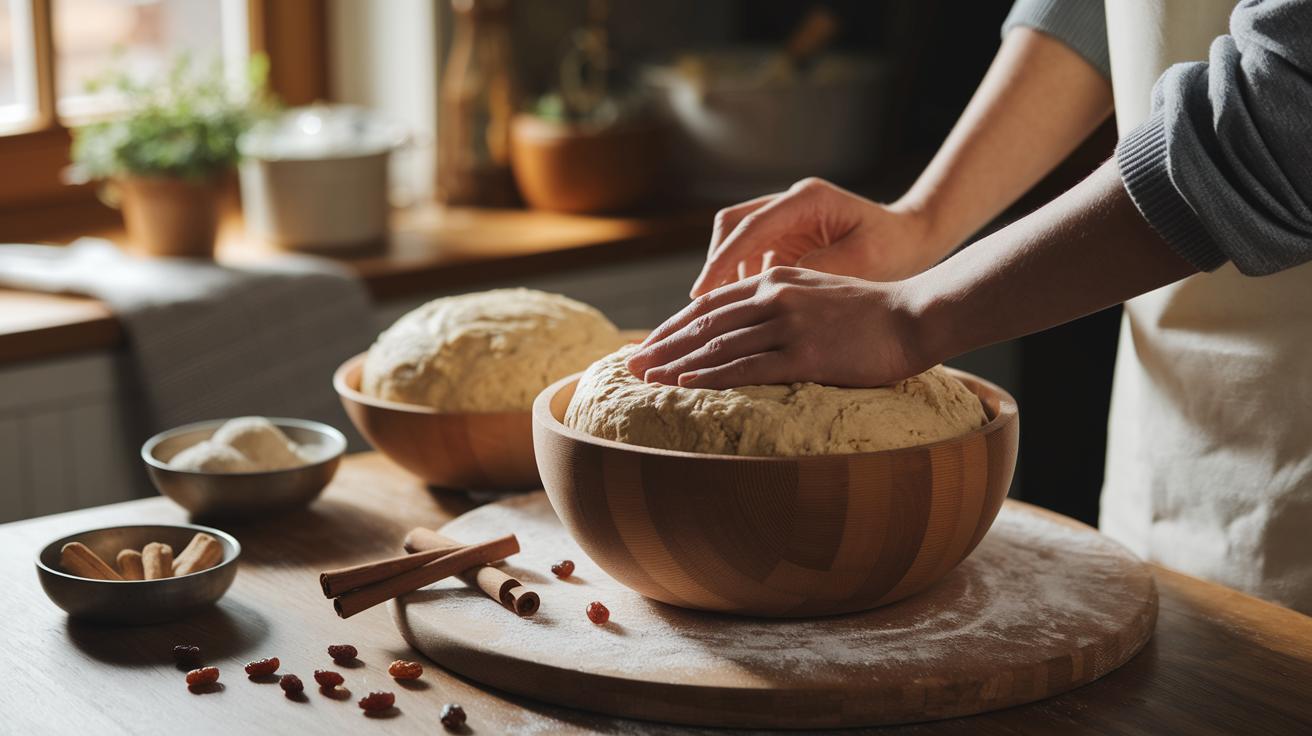
Ingredients
- 1⅔ cups scalded milk (mixed with melted butter and cooled to about 100°F)
- 1¼ cups warm water with yeast (use instant dry yeast or 1¼ teaspoons active dry yeast activated in warm water)
- Flour (use the amount needed by your recipe)
- A pinch of salt
- Optional: 1 teaspoon ground cinnamon
- Optional: ½ cup (85 g) raisins
Instructions
- In a large bowl, pour in the scalded milk and melted butter.
- In a small bowl, stir the warm water with your yeast until it looks a little frothy.
- Pour the yeast mixture into the milk mixture.
- Add the flour and salt, stirring until a soft, sturdy dough forms.
- If you choose, mix in the cinnamon and raisins evenly.
- Cover the bowl and let the dough rest in a warm spot until it doubles in size (about 1 to 1½ hours).
- Sprinkle a little flour on your work surface and shape the dough into small rounds.
- Preheat a 12-inch skillet, electric griddle, or cast-iron pan on medium heat.
- Cook each dough round for 2–3 minutes per side until they turn a light golden color and firm up.
These freshly cooked muffins make a perfect base for your Eggs Benedict. Enjoy experimenting with this easy twist on a classic favorite!
Step-by-Step Assembly Guide for English Muffins and Eggs Benedict
-
Toast and split the muffins. Toast 6 English muffins on a skillet or griddle for 2–3 minutes on each side until the outside is crisp and the inside stays soft. Then, split the muffins with a fork so their little nooks can catch the sauce.
-
Poach the eggs. Crack each egg into a small strainer and let it drain for about 30 seconds to remove extra watery parts. Gently add the egg to a pot of simmering water and let it cook until the white is set and the yolk stays soft.
-
Make the hollandaise sauce. In a double boiler, mix room-temperature unsalted butter with egg yolks. Whisk on medium-low heat and add 2 dashes of cayenne for a bit of kick. Keep whisking until the sauce is smooth, creamy, and warm.
-
Warm the meat. Heat your ham or bacon slices until they are warm and slightly crispy, ready to support the egg on your muffin.
-
Assemble your dish. Place the split, toasted muffins on a plate, add the warmed meat, then top each with a poached egg. Drizzle the hollandaise sauce generously over everything. Enjoy!
Comparing English Muffins with Alternate Bases for Eggs Benedict
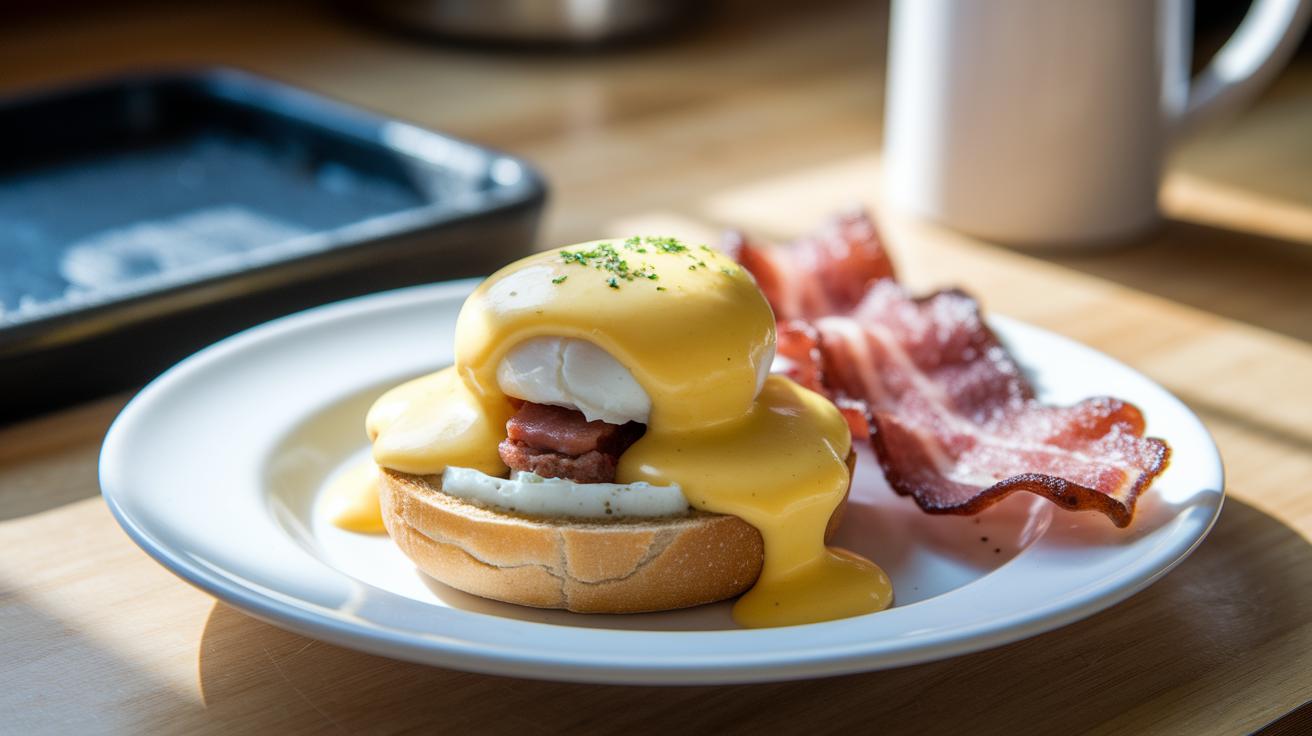
A strong base makes Eggs Benedict shine. The right muffin holds your poached egg and savory meat perfectly while soaking up all that creamy hollandaise without getting soggy. Many people love a traditional English muffin for its trusted texture, but there are fun alternatives too. Try an artisan sourdough or a biscuit mixed with yogurt for a tasty twist that still works well with the rich sauce.
Both store-bought and homemade bases have their upsides. Store-bought muffins usually have a firm bite, but sometimes the crumbs don’t soak up hollandaise as well as you’d like. Homemade versions, especially those made with a bread machine, come out soft with even pockets that grab the sauce nicely. A cinnamon-raisin version, with 1 teaspoon cinnamon and ½ cup raisins, adds a slightly sweet, chewy feel that might compete with the savory sauce. And if you cut rounds straight from a bread machine dough, you get a uniform structure that really lifts your Eggs Benedict.
| Muffin Type | Texture | Hollandaise Absorption |
|---|---|---|
| Store-bought English Muffin | Moderate density | Medium |
| Homemade Traditional | Soft and tender | High |
| Cinnamon-Raisin Variant | Slightly sweet, chewy | Low |
| Bread Machine Round | Uniform pores | High |
When choosing your base, think about the mix of flavor, texture, and how well it absorbs the sauce. A good muffin means every bite feels just right.
Expert Tips for Perfectly Toasted English Muffins in Your Eggs Benedict
Preheat your skillet, electric griddle, or cast-iron pan to medium heat. Place your English muffins on the surface and toast them for 2–3 minutes on each side until you see a light, even crust forming. When you’re ready to split them, use a fork to keep those natural nooks intact for soaking up hollandaise sauce.
Tip: Spread a thin layer of butter on the inside of each muffin before toasting. This not only adds a rich flavor but also forms a barrier that stops the muffins from getting soggy under the poached eggs and warm meat.
Frequently Asked Questions on English Muffins for Eggs Benedict
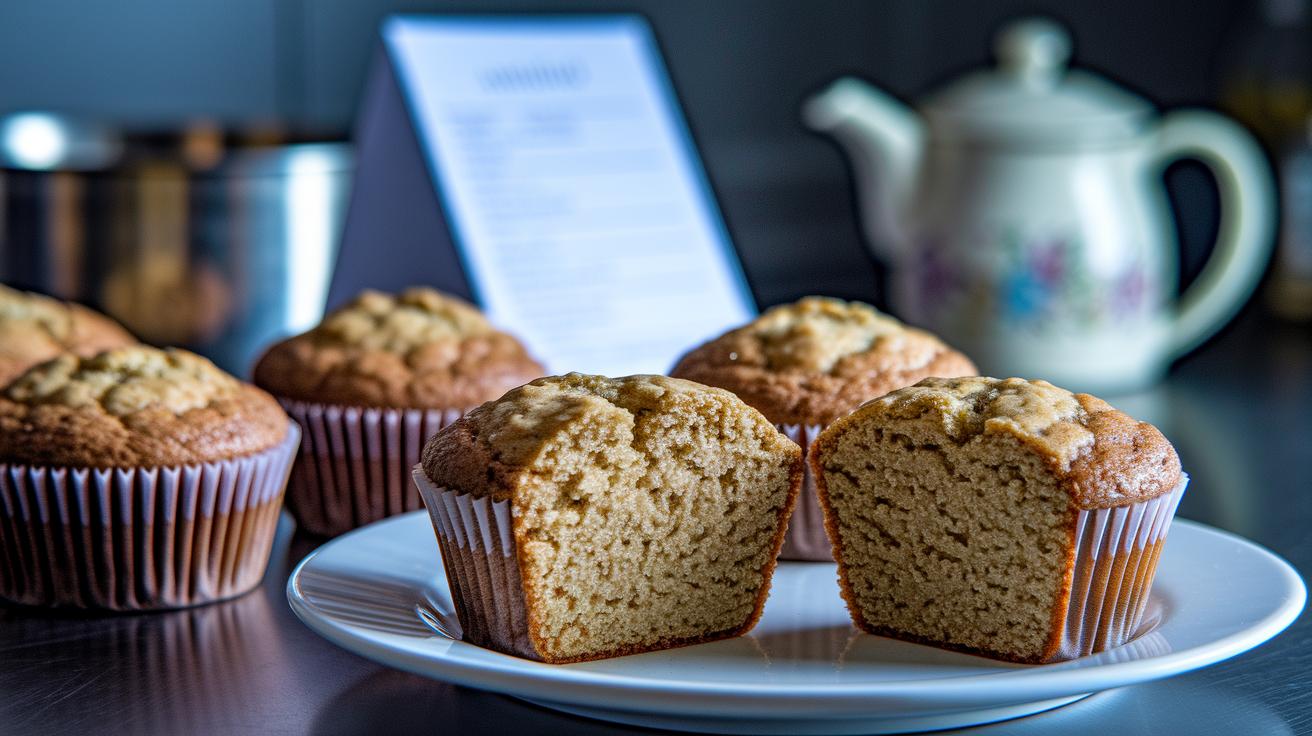
Can I use store-bought muffins?
Yes, you can use them when you're in a hurry. Many cooks prefer homemade muffins because they have an even crumb and thickness that holds the smooth hollandaise and poached eggs better. The updated recipe from Feb 9, 2025 uses quality ingredients like 1 2/3 cups milk and 1 1/4 cups water to build the perfect muffin base.
How do I store leftover muffins?
Place any extra muffins in an airtight container. Keep them at room temperature or in the refrigerator for up to 2 days. This way, they keep their soft interior, and you can toast them quickly when it’s time for another Eggs Benedict.
What’s the best way to reheat muffins for Eggs Benedict?
Warm the muffins gently in a preheated skillet or toaster oven. Toast each side for 2–3 minutes to bring back the crisp exterior while keeping the inside tender.
Final Words
In the action, we broke down what makes a great muffin, from the ideal crumb and thickness to how well it soaks up hollandaise. We compared store-bought and homemade options, including a cinnamon-raisin variant and bread machine rounds. The step-by-step assembly guide highlighted key tips for toasting and plating your Eggs Benedict. Choosing the right english muffin for eggs benedict sets the stage for a delicious brunch. Enjoy every bite and let these tips inspire more stress-free meal wins in your kitchen.
FAQ
What is the traditional English muffin for Eggs Benedict?
The traditional English muffin for Eggs Benedict is one that is lightly split with a fork to create small nooks and crannies, allowing it to absorb hollandaise sauce while holding poached eggs and meats securely.
How do I make a homemade English muffin for Eggs Benedict?
The homemade English muffin recipe blends scalded milk, warm water, unsalted butter, and yeast (with an optional cinnamon-raisin twist) to form a dough that is proofed, shaped, and pan-toasted into a tender, uniform base.
What is the best bread to use for Eggs Benedict?
The best bread for Eggs Benedict is an English muffin, homemade or quality store-bought, with a light crumb and porous texture that absorbs hollandaise sauce while supporting poached eggs and warm meats.
How do you prepare English muffins for Eggs Benedict?
The preparation involves splitting the muffin with a fork and lightly buttering it before toasting on a preheated skillet for 2–3 minutes per side, ensuring it develops crisp edges without becoming overly dry.
What alternatives can be used instead of an English muffin for Eggs Benedict?
The alternatives include artisan sourdough, hearty rolls, or even a yogurt-infused biscuit, each offering a distinct texture, though English muffins remain a classic base for their ideal hollandaise absorption.
What is a Benedict on an English muffin?
A Benedict on an English muffin refers to the classic brunch dish where a split muffin is topped with warm ham or bacon, a perfectly poached egg, and a generous drizzle of silky hollandaise sauce.
What are common Eggs Benedict variations?
Common variations include swapping the traditional ham for smoked salmon or spinach, using different sauces like béchamel or velouté, and even trying a cinnamon-raisin muffin for a subtly sweet twist on the classic dish.
Can I use store-bought muffins for Eggs Benedict?
The answer is yes—store-bought muffins can work for Eggs Benedict if you choose a quality brand and toast them well to improve their texture and hollandaise absorption.
How do I store leftover English muffins for Eggs Benedict?
Leftover English muffins should be kept in an airtight container at room temperature for up to 2 days or frozen for longer storage, then toasted before serving to restore crispness.
What is the best way to reheat muffins for Eggs Benedict?
The best way is to gently toast them in a skillet or toaster oven, which revives their crisp exterior while maintaining a soft interior, ensuring they pair perfectly with your Eggs Benedict.