
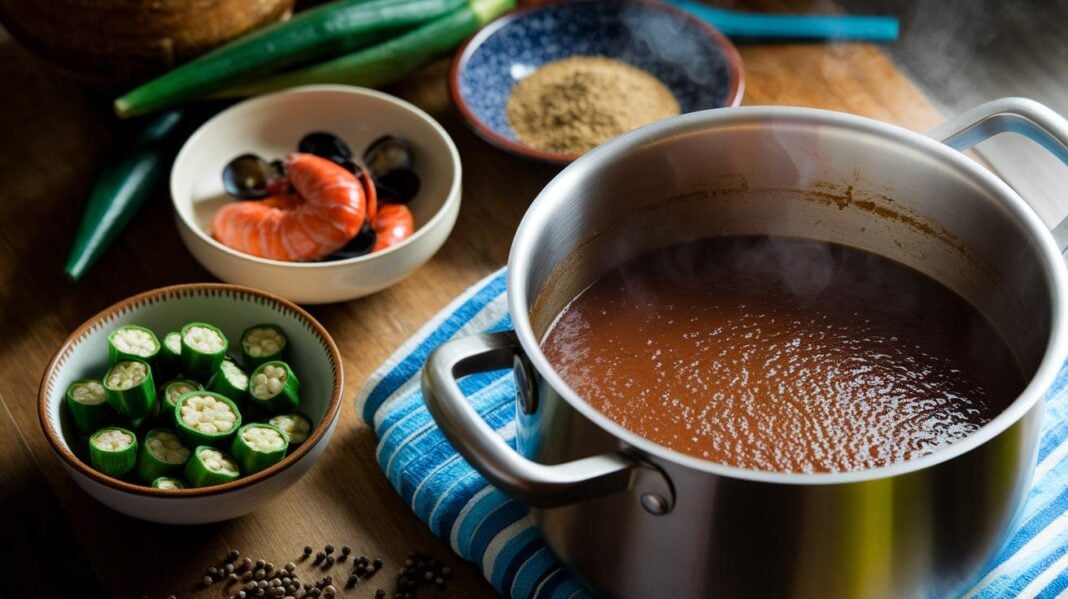

Ever wonder if a mix of flour and fat could unlock flavors that really wake up your taste buds? Dark roux gumbo is packed with a deep, rich taste that surprises even picky eaters. It takes everyday ingredients and transforms them into a hearty, savory stew. The trick is to slowly cook the roux until it turns a dark chocolate brown. This careful process creates a warm base that makes every bite unforgettable.
Dark Roux Gumbo: Your Authentic Cajun Flavor Base
Dark roux gumbo gives you a rich, thick base full of deep, savory flavor. At the heart of this dish is a dark roux, a simple mix of flour and fat cooked until it reaches a deep brown, almost like the color of dark chocolate. This roux turns basic ingredients into a hearty, satisfying stew with an extra layer of taste.
The secret behind its bold flavor is the Maillard reaction. This is when the proteins and sugars in the flour and fat slowly blend and brown, releasing a mix of rich aromas and tastes. A quick tip: stir lightly at first and watch as the color deepens to signal that those complex flavors are coming together.
For the best results, use a 1:1 ratio of flour to fat (try vegetable oil or ghee). Keep your heat medium-low and stir constantly for 30 to 45 minutes to avoid burning. This careful process delivers a unique taste and texture that sets dark roux gumbo apart from rice dishes like jambalaya.
Southern Heritage: Louisiana’s Rich Culinary Tradition
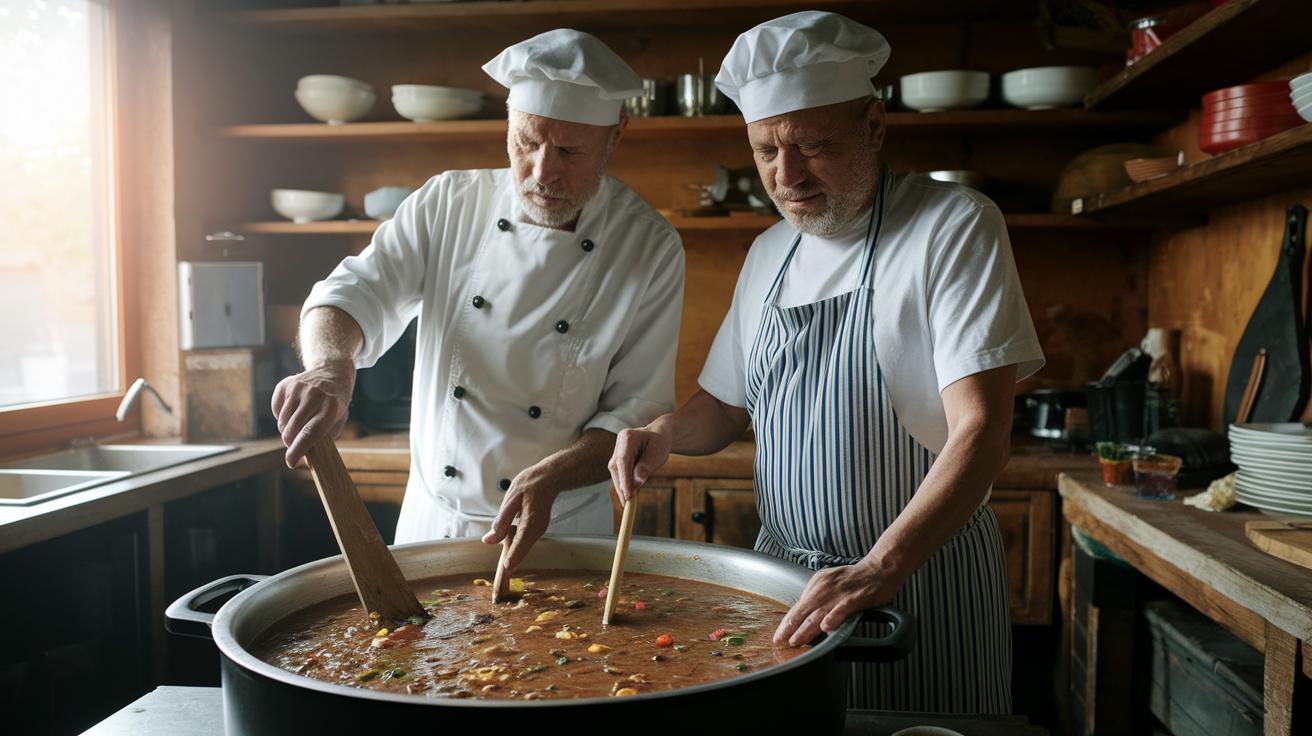
Dark roux gumbo started in Louisiana. In New Orleans and Cajun country, cooks mixed French methods with local traditions to create a thick, tasty base. Many home cooks perfected this in small kitchens using simple ingredients. They made a roux that gives gumbo its warm, hearty taste. You can sense their passion with every bite.
Family dinners and neighborhood cook-offs kept this tradition alive. Recipes were shared over lively meals, with each cook adding their own twist. The blend of French, African, and Native American flavors turned simple dishes into true celebrations of culture and taste. Every homemade roux carries memories made with love and care. Tradition lives on with every stir, real talk.
The secret behind a great roux is the Maillard reaction. Discovered in 1913 by Louis Camille Maillard, this process explains how browning deepens flavor. Modern cooks use low-medium heat and stir constantly to get that perfect dark roux. Each stir honors a proud legacy. Indeed.
Core Ingredients: From Flour to Fat in Dark Roux Gumbo
Dark roux gumbo begins with a simple 1:1 mix of flour and fat. Vegetable oil or clarified butter (ghee) works best. Their pure fats let natural flavors shine without the milk solids found in regular butter. This mix creates a smooth base that boosts the gumbo’s rich taste.
You can also use peanut oil or avocado oil for a twist. Peanut oil adds a gentle nuttiness while avocado oil gives a light, buttery note. Each fat brings its own flavor, so you can adjust the dish to match your taste.
A heavy, thick-bottomed pot is essential. It spreads heat evenly and stops spots from burning. Keep the heat medium-low and stir constantly to brown the roux just right. Using these tips, you’ll build a smooth, flavor-packed base that lifts your gumbo to the next level.
Step‐by‐Step Base Creation: Crafting a Perfect Dark Roux
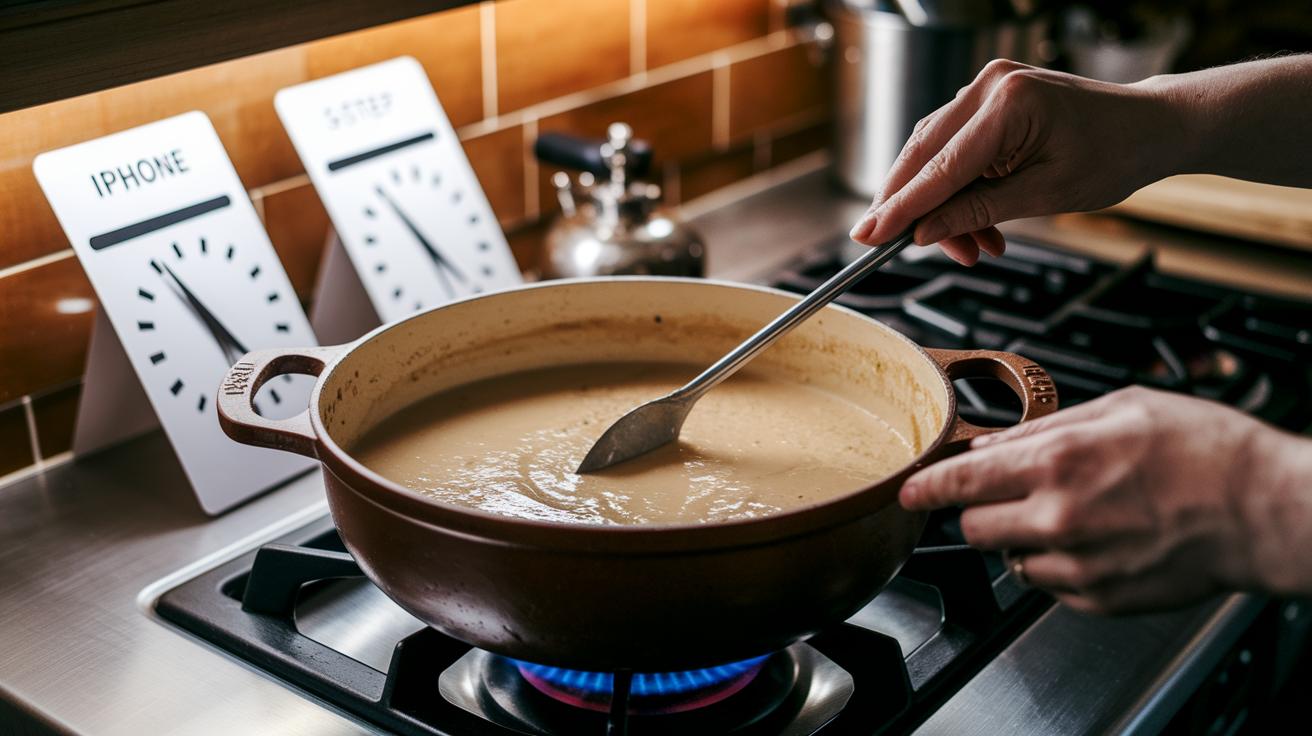
Start by heating your fat and flour mix over medium-low heat. This slow cook builds rich flavor through a process called the Maillard reaction (a chemical reaction that gives browned food its flavor). Stir often and use a heavy-bottomed pot to keep the heat even.
- White: Cook for 2-3 minutes until the mix shows a light, sandy color. The flour’s raw taste softens at this point.
- Blonde: Stir for 3-5 minutes until the blend becomes light tan and gives off a gentle, nutty aroma.
- Light Brown: Keep stirring on medium-low heat for 10-15 minutes. The mixture turns a peanut-butter color and flavors deepen. Constant stirring helps prevent burnt spots.
- Dark Brown: Cook for 25-30 minutes, or up to 60 minutes if you want a dark chocolate-like shade. This step creates a bold flavor base that is key for a strong gumbo.
Stir constantly and watch the color changes closely. Keeping the heat steady is the secret to a perfect dark roux.
Layering Flavors: Trinity, Proteins, and Spices in Dark Roux Gumbo
When your dark roux is ready, you are set to build a rich and tasty gumbo. Follow these steps to layer in bold flavors and textures.
Trinity of Aromatics
Start with the Cajun trinity: diced onion, celery, and bell pepper. Use equal parts of each. Sauté them in the roux or in a separate pan over medium heat for 5 minutes until they soften and release their natural sweetness. This step deepens your base without taking over your gumbo.
Proteins Integration
- Brown chunks of chicken and slices of andouille sausage in the same pan. This browning builds a savory crust that locks in flavor.
- Once they are well-seared, gently add seafood such as shrimp or crab. Stir them in until they are warmed through, keeping their delicate taste intact.
Spice Blend Integration
Now stir in your homemade spice mix. Combine paprika, a pinch of cayenne, a few sprigs of thyme, and a bay leaf with the aromatics and proteins. Mixing in the spices helps each element shine while giving your gumbo its classic Cajun twist.
Allow the gumbo to simmer with stock over medium-low heat for 20 to 30 minutes. This lets all the flavors blend into a hearty, well-balanced stew.
Achieving Ideal Hue and Consistency in Your Dark Roux
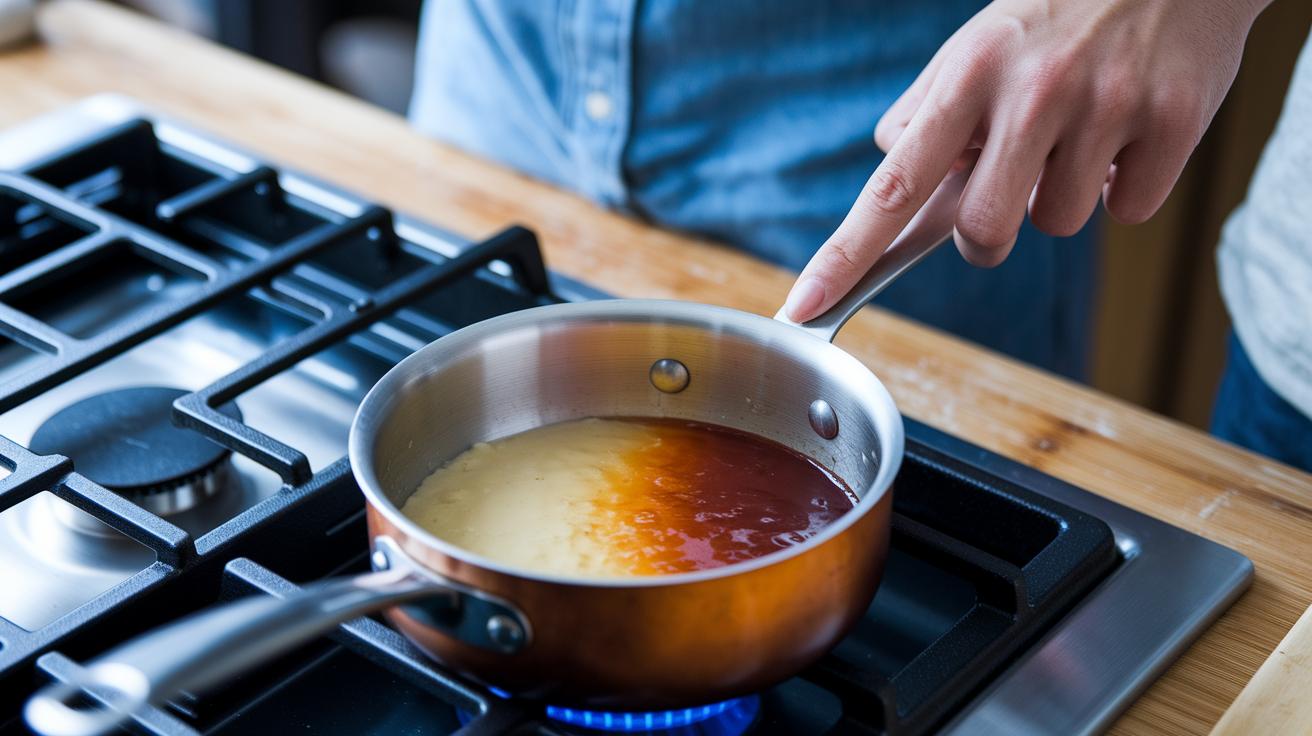
Follow this step-by-step guide to get your roux just right. Keep an eye on the color, smell, and texture as you cook. Use the table below as a quick reference.
| Stage | Appearance | Time |
|---|---|---|
| White | Light, sandy hue | 2-3 minutes |
| Blonde | Soft tan | 3-5 minutes |
| Light Brown | Peanut-butter tone | 10-15 minutes |
| Dark | Deep chocolate shade | 25-30 minutes (up to 60 minutes) |
Remember, the look is not the only hint. A light nutty smell and a slight change in texture are clear signals that your roux is deepening its flavor. Enjoy the process and trust your senses as you cook!
Troubleshooting and Avoiding Common Pitfalls in Roux-Making
If your roux starts to burn, your dish might develop a bitter taste. Lower the heat right away and scrape the bottom of the pot to lift the burnt bits. When you notice a sharp, bitter smell, reduce the flame and keep stirring to stop further burning.
If your roux stays too light or tastes raw, it may need more time to cook so that the flavors deepen. When it remains pale even after stirring for a while, simply extend the cooking time a bit at medium-low heat. For example, if the color still looks off after about 10 minutes, keep cooking until it turns into a richer tone.
Lumps can form if the mixture isn’t stirred evenly. If you spot clumps, whisk the mixture well to smooth them out. A few strong stirs should break up the lumps and help the roux brown evenly, giving it a uniform and deeper flavor.
Make-Ahead, Storage, and Reheating Tips for Dark Roux Gumbo
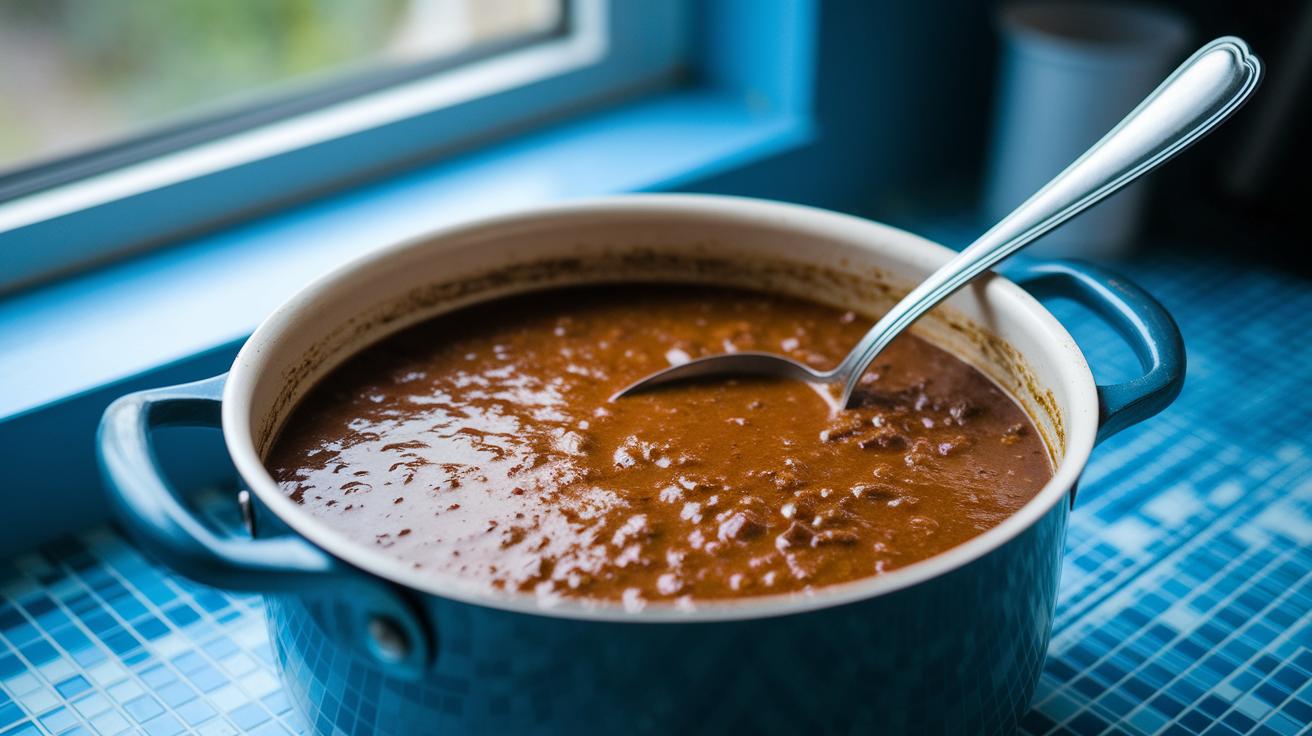
Plan ahead by making your dark roux and gumbo in advance. Prepare the roux separately and let it cool completely before putting it in the fridge. This saves time on busy days and keeps the deep, rich flavors intact.
Store your finished gumbo in airtight containers once it cools to room temperature. It will stay fresh for 3 to 4 days in the fridge. Place the cooled dark roux in a large resealable bag and keep it chilled for up to 5 days. These methods help lock in all the hearty flavors for your next meal.
When you're ready to eat, warm the gumbo slowly over low heat. Add a splash of water or stock to bring back the right consistency and stir until everything blends together nicely. Enjoy every bowl with the same comforting taste you made.
Final Words
In the action, you mixed techniques and tradition to create a deep, flavorful dark roux gumbo. The post covered step-by-step tips for building the perfect flavor base, cooking the roux to a dark chocolate hue, and layering in hearty proteins and spices. We also explored the roots of Louisiana cooking and practical storage ideas. Enjoy the confidence of preparing a rich, soulful dish right at home. Every stir brings you closer to a comforting, delicious meal.
FAQ
Q: What is a dark roux gumbo recipe?
A: A dark roux gumbo recipe uses an equal mix of flour and fat slowly cooked on medium-low heat for 30–45 minutes. It develops a deep, chocolate-like color that adds rich, layered flavor.
Q: How does roux color affect gumbo flavor?
A: Roux color affects gumbo flavor by controlling its depth and richness. A darker roux creates a nuttier, well-developed taste, essential for a robust and savory stew.
Q: How long does a dark roux take to develop?
A: A dark roux takes about 30–45 minutes to develop when stirred constantly on medium-low heat, eventually reaching a deep chocolate tone with a cookie-dough consistency.
Q: How much roux should be used for gumbo?
A: Gumbo recipes call for a 1:1 ratio of flour to fat. The amount of roux needed depends on how thick you want your gumbo, so adjust based on your stew’s volume.
Q: What makes gumbo roux dark?
A: Gumbo roux turns dark by slowly cooking flour and fat over medium-low heat, which promotes the Maillard reaction. This browning process builds a rich, nutty flavor without causing bitterness.
Q: What is a dark roux called?
A: A dark roux is sometimes known as chocolate roux, referencing its deep, dark chocolate-like color that signals a fully developed flavor base for your gumbo.
Q: What variations exist in gumbo recipes?
A: Gumbo recipes offer variations like including okra for thickening, using seafood for a lighter broth, or adding traditional meats such as chicken and andouille for an authentically robust taste.
Q: How is filé powder used in gumbo?
A: Filé powder is added as a thickener and flavor enhancer near the end of cooking. It imparts a subtle, earthy taste and helps improve the stew’s texture without overcooking its aroma.