


Ever thought about your favorite club sandwich as a light yet powerful fuel for your day? This classic sandwich blends protein, fat, and carbs to keep your energy stable for longer. In this post, I break down the calorie count and nutrient details of each ingredient so you know exactly what you’re putting on your plate. With tips on adjusting portions for a balanced meal, you’ll see that a club sandwich can be both tasty and part of a healthy plan. Ready to take a closer look?
Club Sandwich Calorie & Macronutrient Breakdown
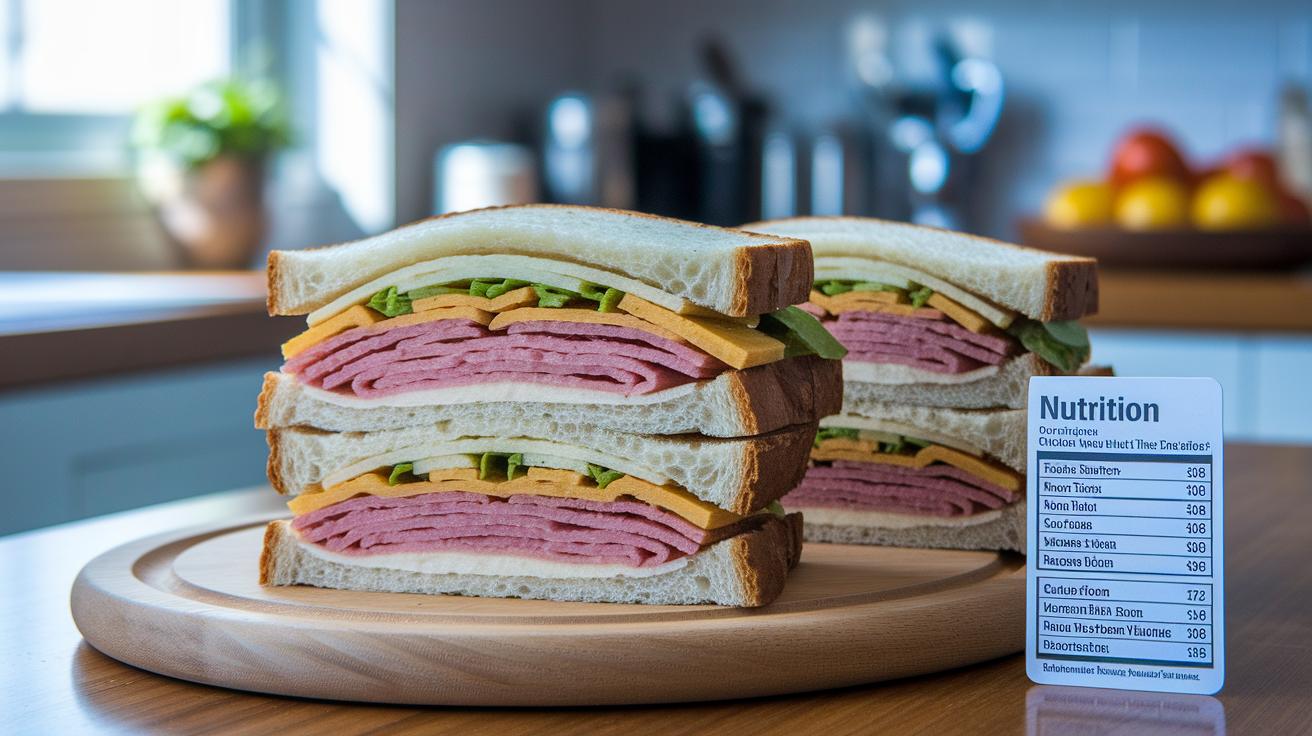
A 292 g club sandwich delivers 710 Calories, 40.9 g of protein, 35.9 g of fat, and 59.0 g of carbohydrates. These numbers come from food-label checks and USDA data. They make up about 35% of a 2,000 Calorie daily diet. For a smaller serving guide, you get around 220 Calories per 100 g. Tip: Always check individual ingredient labels since small changes can adjust these totals.
Breaking down the calories helps you see how each bite fits into your day. Consistent portions and clear numbers make it easier to balance your plate and stick to your goals.
| Nutrient | Amount per Serving | % Daily Value |
|---|---|---|
| Calories | 710 | 35% |
| Protein | 40.9 g | 52% |
| Total Fat | 35.9 g | — |
| Total Carbohydrates | 59.0 g | — |
Looking at both per-serving and per-100 g counts gives you a clear picture of how the club sandwich fits into your daily diet. You can easily adjust your portion sizes based on your energy needs and meal plans. Enjoy this classic sandwich as a delicious part of your balanced eating.
Ingredient-Specific Nutrition in a Club Sandwich

Turkey and chicken offer slightly different nutrition in your club sandwich. For example, 3 oz of turkey has about 125 calories, while 3 oz of grilled chicken brings around 130 calories. Swapping turkey for chicken increases protein by roughly 5 g. This lets you choose an option that fits your dietary needs without changing your calorie count much.
Bacon and cheese also change the sandwich’s profile. Two slices of bacon add about 80 calories and boost the fat content. One slice of cheese gives roughly 50 calories and typically adds 5 to 10 g of fat. You can adjust these ingredients to get a leaner or richer bite.
Other ingredients matter too. Two slices of bread bring around 160 calories. One tablespoon of mayonnaise adds another 90 calories for flavor and moisture. A mix of lettuce and tomato contributes about 10 calories, adding fresh nutrients without many extra calories.
Club Sandwich Nutrition Facts: Healthy and Energizing

Bread is a key part of a club sandwich. Every 100 g of bread gives you about 220 Calories. It not only adds energy but also gives the sandwich its texture.
White bread and whole wheat affect your blood sugar in different ways. Whole wheat offers around 3 g of fiber per slice. This fiber slows down sugar absorption so you enjoy a more steady energy boost. White bread, however, has little fiber and can raise blood sugar quickly.
Sourdough brings its own benefits because of a special fermentation process. This natural process lowers its glycemic index, making it gentler on your blood sugar compared to white bread. Each bread type changes how your body uses carbohydrates, so pick the one that fits your energy needs and dietary goals.
Sodium & Cholesterol Levels in Club Sandwich Nutrition Facts
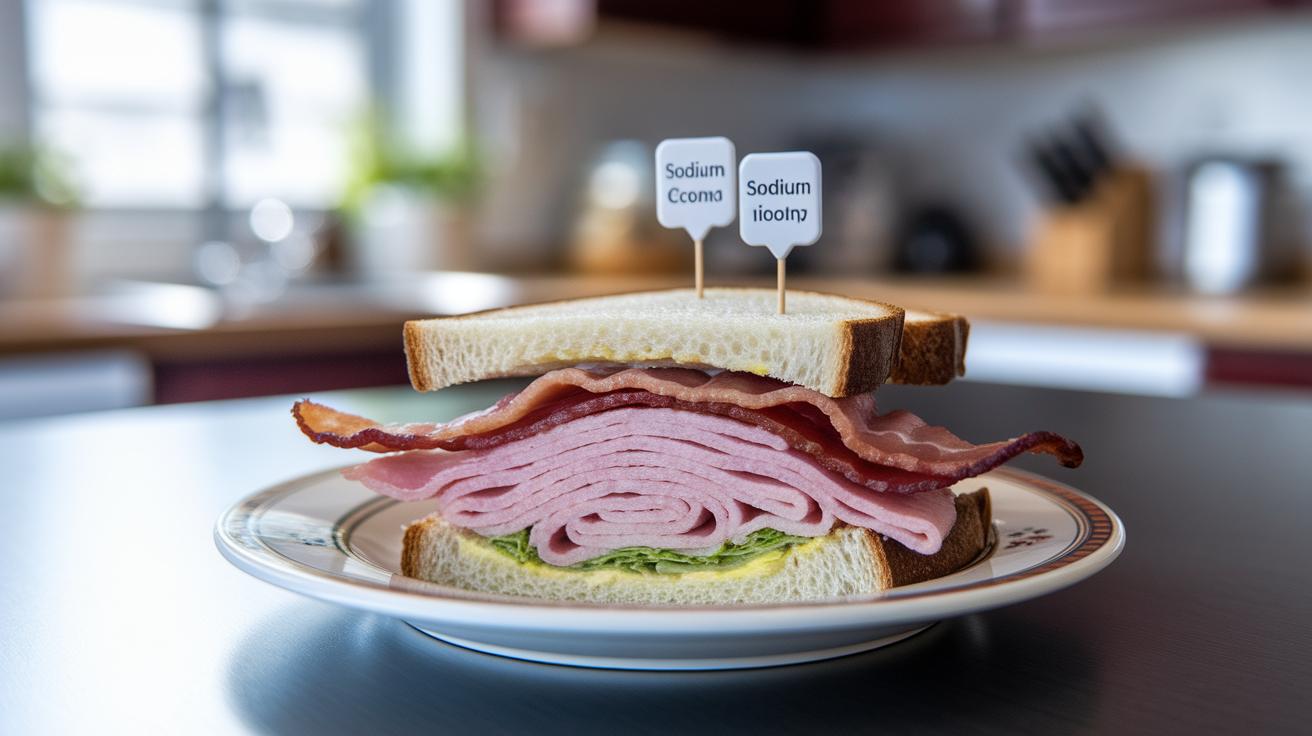
A typical club sandwich has about 630 mg of sodium, which is about 14% of the daily limit. Most of the sodium comes from bacon and deli meats, so it can add up quickly. If you are watching your heart or blood pressure, check your labels closely.
This sandwich also adds cholesterol. For example, 3 oz of turkey gives about 50–65 mg, bacon adds roughly 30 mg, and 1 tablespoon of mayonnaise adds around 5 mg. In total, you get about 85–100 mg of cholesterol per sandwich. This is close to 28–33% of the daily recommended amount on a 2,000 calorie diet.
Many club sandwiches contain common allergens like wheat, eggs, soy (from the bread), and dairy if cheese is used. If you have allergies, try changing the recipe or using alternative ingredients that still taste great. Checking labels and swapping ingredients can help you enjoy this meal safely.
Healthier Club Sandwich Variations: Tips for Lower Calories & Higher Nutrient Content

Use lighter proteins and breads to cut calories and fat. Try grilled chicken or turkey bacon instead of fried bacon. These swaps can lower fat by 5–10 g per sandwich. Instead of regular toasted bread, use crisp lettuce leaves or keto-friendly bread. This change can cut carbs from 59 g to around 10 g while adding a refreshing crunch.
Choose lighter condiments to save extra calories. Light mayo or mashed avocado can save about 50 Cal per tablespoon compared to regular mayo. If your sandwich feels too heavy, enjoy half and pair it with a small side salad. This adjustment can reduce your meal to roughly 400 Cal and still give you plenty of protein and nutrients.
Plan ahead to make healthy eating simple. Prepping ingredients in airtight containers for 3–4 days speeds up your meal assembly. With lean proteins, lighter bread options, and healthier condiments ready to go, you can enjoy a nutritious club sandwich anytime.
Final Words
In the action, we broke down a club sandwich’s calorie and macronutrient make-up using clear, tested numbers. We detailed each ingredient's role, from the protein punch of turkey or chicken to the carb load from bread choices. We also looked at sodium and cholesterol levels and shared tips to trim calories while boosting nutrients. These club sandwich nutrition facts offer a quick guide to balancing flavor and health. Experiment with swaps and enjoy a delicious meal that fits your busy weeknight routine and inspires kitchen confidence.
FAQ
Q: What are the typical calorie counts for a club sandwich and its variations with mayo, cheese, or fries?
A: The calorie count for a club sandwich is about 710 calories per serving. Adding mayo or cheese increases the calories, and sides like fries boost the total further, while a half sandwich has roughly half the calories.
Q: How healthy is a club sandwich?
A: A club sandwich features lean meats and veggies for protein and fiber, but its bacon and mayo can add high fat and sodium levels. Its healthiness depends on balancing these ingredients with an overall diet.
Q: How does a club sandwich impact protein intake?
A: A club sandwich supplies around 40.9 g of protein per serving. This protein mainly comes from the deli meat, supporting muscle repair and keeping you full.
Q: What is the nutritional effect of using white bread for a club sandwich?
A: Using white bread in a club sandwich offers a similar calorie count, around 710 per serving, but it provides more simple carbohydrates and less fiber compared to whole wheat options.
Q: Is a club sandwich made with three pieces of bread?
A: A classic club sandwich uses three slices of bread, which create its signature layered structure and add extra texture to the dish.
Q: What is the healthiest sandwich option at Jimmy John’s?
A: Jimmy John’s healthiest sandwich usually includes lean meats, light bread, and plenty of veggies with minimal sauces. Checking their menu for options that emphasize these ingredients can help identify the best choice.