

Have you ever wondered how a simple twist of dough became a favorite treat around the world? Cinnamon rolls got their start as sweet breads in old kitchens, where people prized rare spices for both their taste and the way they helped keep bread fresh. They made their way from busy Middle Eastern markets into welcoming Swedish bakeries, changing with each culture along the way. Today, every bite is filled with a rich mix of history and flavor. Let’s take a look at the spicy journey behind these cherished treats.
cinnamon rolls origin: Warm, Rich History
Cinnamon rolls started their journey with sweet breads in medieval Europe. Back then, cinnamon was a prized spice that came along long trade routes. Bakers added this rare spice to their breads not only for its flavor but also because it helped keep the bread fresh.
In the 1920s, Sweden gave us the classic kanelbulle. This treat featured a light dough with a hint of cardamom. It was baked in muffin liners and finished with a sprinkle of sugar crystals. Soon, other Scandinavian countries joined in. Denmark shared their kanelsnegle, known for puff pastry spirals glazed with sugar. In Norway, treats like kanelboller and skillingsboller were made with yeasted dough, while Finland introduced korvapuusti, famous for its unique pinched shape and delicate sugar accents.
When the cinnamon roll reached North America in the 20th century, local bakers put their own spin on it. They made the rolls sweeter with extra butter and sugar. Many American recipes then featured a rich glaze or even a creamy frosting, turning the cinnamon roll into a beloved treat in coffee shops and home kitchens.
Today, these spiced delights are enjoyed around the world. Whether you call them kanelbulle, kanelsnegle, korvapuusti, or zimtschnecken, cinnamon rolls carry a warm legacy that continues to delight taste buds everywhere.
Ancient Spice Trade and Sweet Pastry Beginnings of Cinnamon Rolls
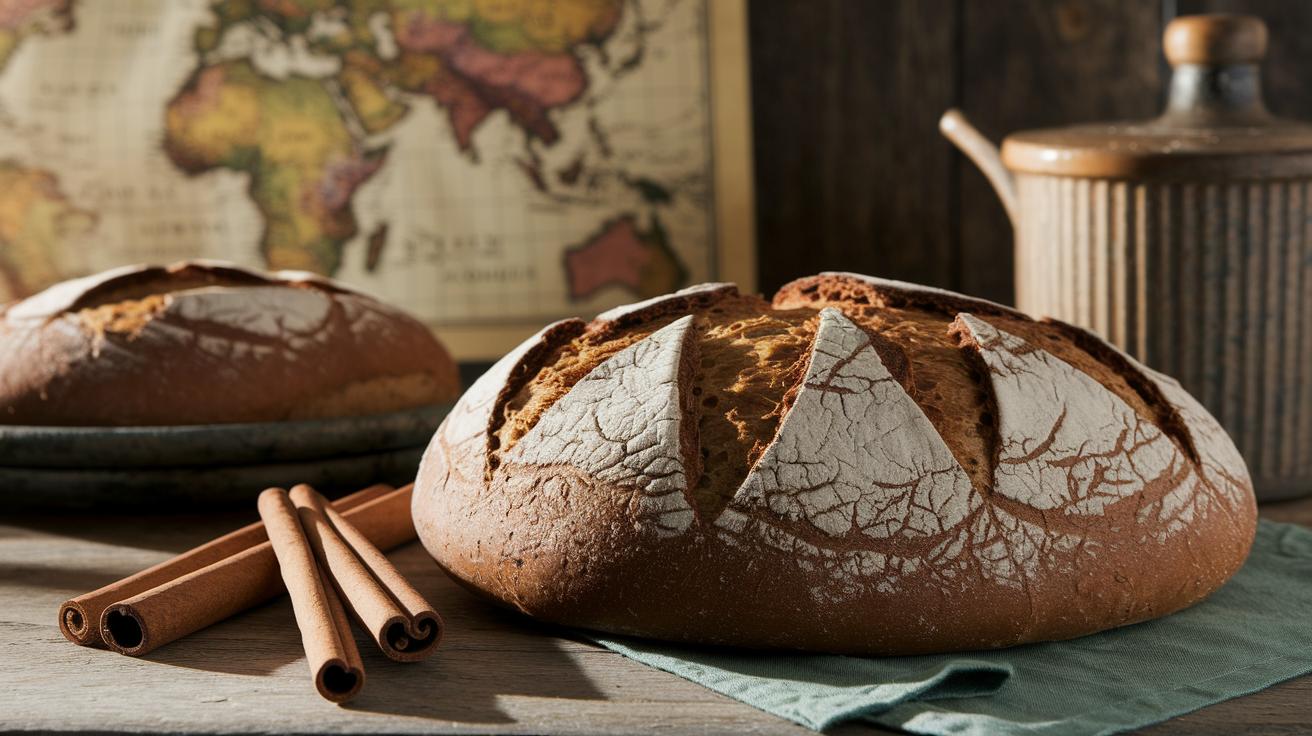
Cinnamon has a long history that began along old trade routes. In early days, it traveled from the Middle East to Europe, filling kitchens with its warm scent and offering health perks. In ancient Egypt, bakers loved cinnamon for its helpful medicinal and food-preserving traits. Did you know the Egyptians even used it to keep their food fresh? Later, European monasteries added cinnamon to special breads during celebrations.
As sugar and other spices became more common in Europe in the 17th century, cooks started to try new sweet bread recipes. These experiments set the stage for the tasty cinnamon rolls we enjoy today. By the 19th century, Scandinavian rural cookbooks featured early recipes for spiced rolls. These recipes are the roots of a long tradition that has shaped modern pastry art.
| Period | Region | Notable Development |
|---|---|---|
| Ancient Egypt | Middle East | Cinnamon valued for its healing and preserving powers |
| Middle Ages | Europe | Monasteries used cinnamon for special breads |
| 17th Century | Europe | More sugar and spices led to sweet bread experiments |
| 19th Century | Scandinavia | Early spiced roll recipes appeared in cookbooks |
These early steps show how cinnamon helped shape dessert recipes, paving the way for the delicious cinnamon rolls we love today.
Scandinavian Roots in the Cinnamon Rolls Origin Story
Swedish kanelbulle is a beloved treat in Nordic culture. Its light, cardamom-flavored dough makes it a perfect match for a cozy FIKA coffee break. October 4th, Cinnamon Bun Day, adds an extra dash of excitement to this everyday celebration.
Sweden
In Sweden, kanelbulle features a delicate dough with tiny sugar crystals, making it a sweet pause during a busy day. It’s a perfect companion to your coffee break.
Denmark
In Denmark, kanelsnegle show off local style with their layered puff pastry and a sugar glaze that gives each roll a crisp edge. They stay true to time-tested methods while adding a unique regional twist.
Norway
Norwegian kanelboller, also known as skillingsboller, boast soft, yeasted dough speckled with either pearl or granulated sugar for a light sparkle. These rolls gently sweeten any coffee break, keeping a cherished local tradition alive.
Finland
Finnish korvapuusti stand out with their pinched shape and a sprinkle of sugar pearls on top. They make a comforting treat for tea time, with a tender texture and warm spice that bring home a sense of simple, lasting comfort.
German Influence on Cinnamon Rolls Origin
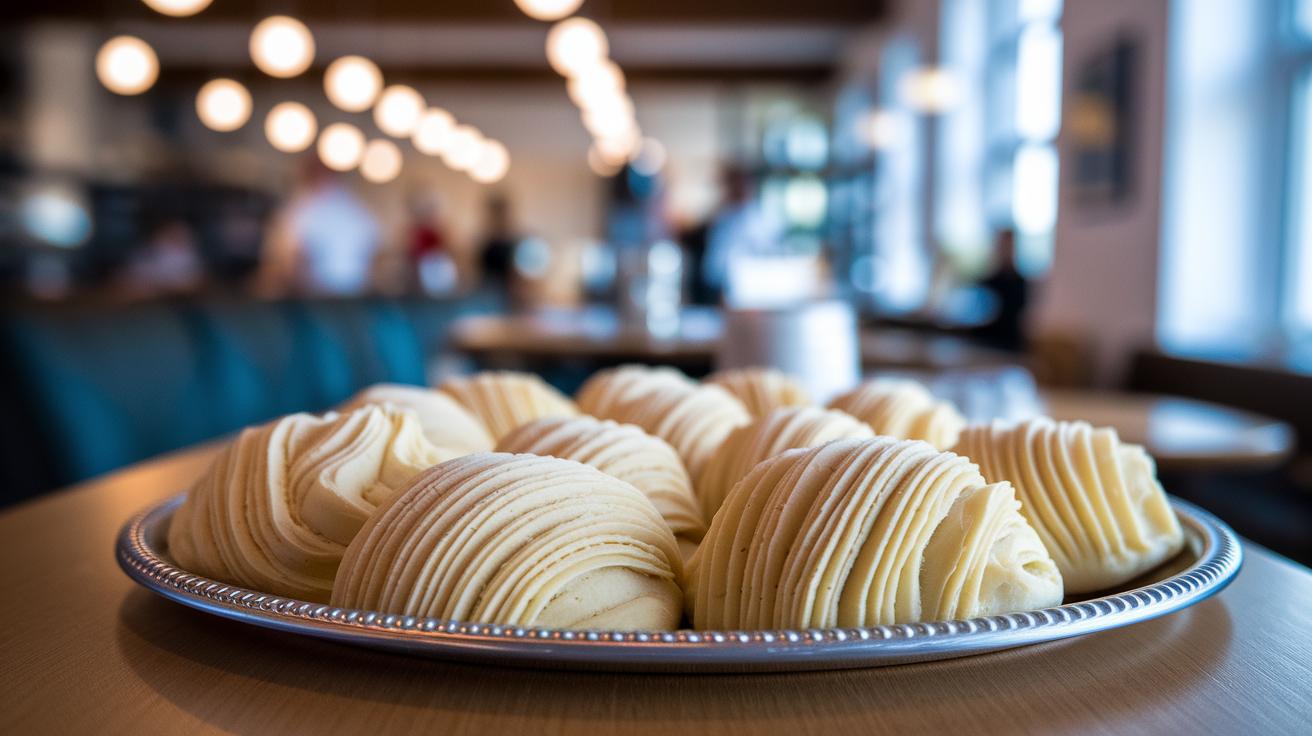
In Germany and Austria, cinnamon rolls are known as zimtschnecken. They use a special laminated dough that makes the pastry extra flaky. Bakers mix a soft, yeasted dough with lots of butter folds. When you cut a zimtschnecken, you see delicate layers that taste rich and buttery.
Viennese cafés have made zimtschnecken a local favorite. Central European bakeries have perfected these rolls by using techniques that boost both texture and flavor. The dough creates a crisp finish and fills each bite with a warm, buttery taste that stands out from other cinnamon rolls.
Local bakers focus on balanced fermentation and careful butter layering. This method creates a roll that feels light yet indulgent. Their style has added a unique, refined touch to the evolution of cinnamon rolls.
American Sweet Roll Development and Commercial Expansion
In the early 1900s, U.S. bakers began changing old Nordic recipes to fit American tastes. They boosted the sugar and butter amounts and even mixed in cream cheese frosting to give cinnamon rolls a richer, more indulgent flavor. This was the start of blending traditional home recipes with modern commercial ideas.
Bakers took inspiration from Europe and tweaked the recipe to create a sturdier, easier-to-carry treat. Coffee shops quickly saw these rolls as a perfect grab-and-go breakfast or snack. They made the rolls larger and moister to suit busy mornings. Some recipes even suggest adding a dollop of cream cheese at the end to mimic the classic American version.
By the 1980s and 1990s, chains like Cinnabon began mass-producing oversized, gooey cinnamon rolls to meet growing demand. This blend of European traditions with American innovation produced a treat that fits any time of day. Today, many versions include flavored glazes, nuts, or fruit, keeping the cinnamon roll story fresh in both home kitchens and commercial bakeries.
Global Variations and Record-Breaking Cinnamon Roll Creations
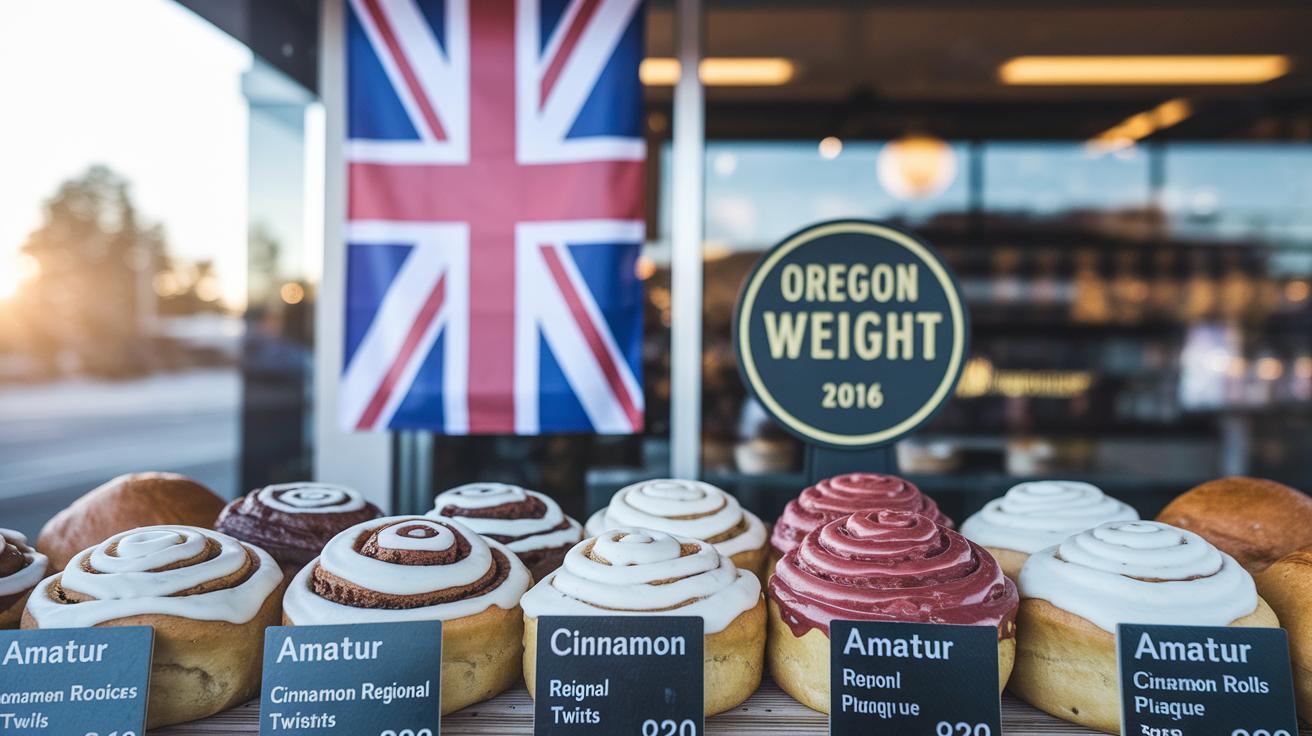
Cinnamon rolls are loved around the world, and each region brings its own twist. In the UK, these treats earned the nickname "the new doughnut" at the 2018 Spring Conference by the British Society of Baking. Back then, people marveled at this fresh take on a classic. In Oregon, Wolferman’s set a Guinness World Record in 2018 by crafting a cinnamon bun that weighed 521.5 kg (1,149.7 lb). This record shows just how much impact this pastry has and inspires bakers to try new ideas.
Bakers everywhere are putting creative spins on cinnamon rolls. In Mexico, conchas mix cinnamon sugar to add warmth and local sweetness. In Japan, a dash of cinnamon in melon pan creates a surprising mix of flavors and textures. In Australia, vegan spiced rolls prove that plant-based treats can pack a full flavor punch. These international twists highlight how the cinnamon roll remains a cozy comfort food while giving bakers a canvas for modern ideas.
| Country | Local Name | Key Variation |
|---|---|---|
| Sweden | Kanelbulle | Cardamom in dough, sugar crystals |
| Denmark | Kanelsnegle | Puff pastry spiral |
| Finland | Korvapuusti | Pinched shape, pearl sugar |
| UK | Cinnamon bun | Heavy glaze, larger size |
| USA | Cinnamon roll | Cream cheese frosting |
Cultural Celebrations and Traditions of Cinnamon Rolls
We've combined this section with the Scandinavian Roots and Global Variations parts. Now you can explore how cinnamon rolls have become a beloved symbol across cultures in one simple, clear guide.
Final Words
In the action, we followed the cinnamon rolls origin from medieval spice routes to modern, sweet recipes.
Our post moved through Nordic traditions, German influence, and American twists, all marked by unique techniques and cultural celebrations.
We saw how a humble pastry grew into a worldwide favorite with special days and record-setting creations.
Keep experimenting with these recipes and enjoy the delicious history as you create tasty, stress-free meals.
Happy baking and enjoy every bite of your cinnamon roll story!
FAQ
Where did the cinnamon roll originate?
The cinnamon roll originated in medieval Europe, evolving from early sweet bread recipes in Scandinavia before spreading to other parts of the world.
What is the history of cinnamon rolls?
The history of cinnamon rolls begins with spiced breads flavored with cinnamon in early European kitchens, later refined into distinct Nordic versions and then transformed in America with sweeter recipes.
Are cinnamon rolls Danish or Swedish?
Cinnamon rolls have roots in Nordic countries, with both Danish and Swedish traditions contributing unique recipes, though each country offers its own special take on the spicy treat.
Are cinnamon rolls an American thing?
While modern American bakeries popularized richer, sweeter cinnamon rolls with unique toppings, the pastry itself has European origins and was not originally an American creation.
What is a cinnamon roll recipe?
A cinnamon roll recipe typically features a yeasted dough rolled with a cinnamon-sugar mixture, then baked and topped with a glaze or cream cheese frosting for extra indulgence.
What does “Cinnamon roll Sanrio” refer to?
“Cinnamon roll Sanrio” likely refers to a cute character inspired by the pastry, blending Sanrio’s playful design style with the classic appeal of cinnamon rolls.
What does an easy cinnamon rolls origin imply?
The term “easy cinnamon rolls origin” hints at a simplified version of the traditional recipe, adapted from complex European methods to suit simple home baking.