
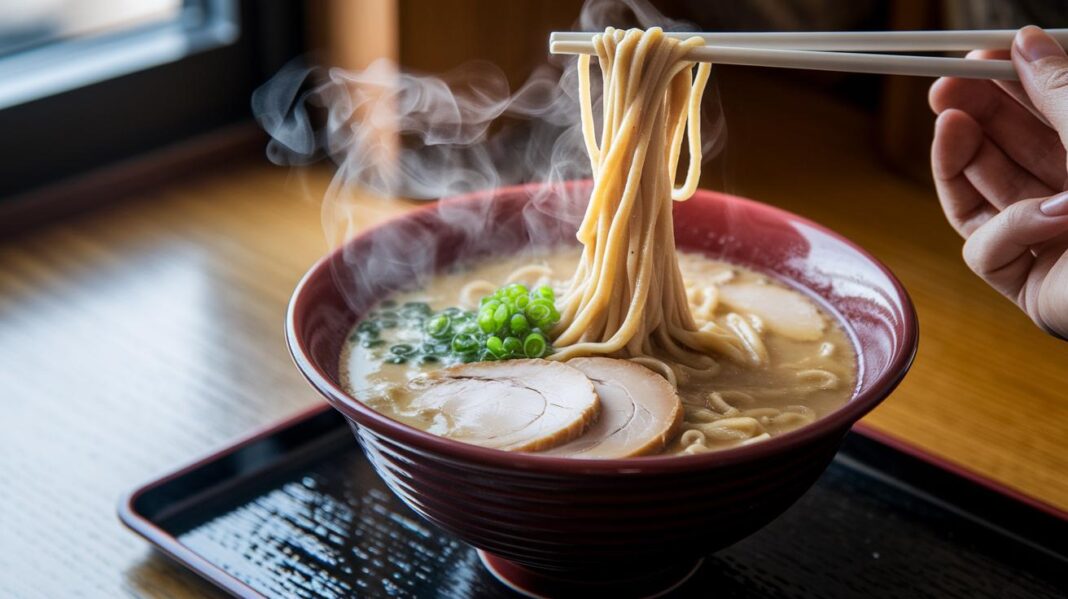

Ever had a bowl of ramen that tastes like a well-kept family secret? Many people believe only expert chefs can master Japanese ramen, but this recipe proves anyone can create it. We start with a rich pork broth and add tender, seared pork belly to pack every bite with flavor. Follow our step-by-step guide to turn basic ingredients into a warm, comforting bowl of delicious ramen. Enjoy each bite and let it warm your heart.
Quick Guide: Authentic Japanese Ramen Recipe
Ingredients:
- 8 cups tonkotsu pork broth
- 2 lb pork belly (rolled and tied for chashu)
- 4 large eggs (with a small prick in the shell)
- ½ cup shiro miso (for the miso tare)
- 2 slices bacon (for the soy bacon tare)
- 2 cloves garlic (sliced for flavor)
- 1 inch of ginger (sliced for flavor)
- About 400 g ramen noodles (use the amount on the package)
- 4 quarts water (for boiling the noodles)
- Salt (to taste)
- Soy sauce (optional, to adjust the tare)
- Chopped scallions (for garnish)
- Nori sheets (for garnish)
- Menma (seasoned bamboo shoots for topping)
- Sesame oil (for an extra drizzle)
- In a large pot, heat the 8 cups of tonkotsu pork broth over medium heat. Let it gently simmer. (See the broth-preparation section for more details.)
- Meanwhile, roll and tie the 2 lb pork belly securely. This makes it ready for turning into chashu.
- Heat a pan until it’s very warm. Sear the pork belly on all sides until it turns a nice golden brown. Then add it to your simmering broth so it can braise and soak up rich flavors.
- For perfectly soft eggs (ajitsuke tamago), gently boil the 4 large eggs. Boil them for about 6 minutes 30 seconds if they are large or 7 minutes 30 seconds for extra-large. Remove the eggs right away and cool them in ice water.
- To make the tare, start with the soy bacon tare: In a small pot, combine the 2 bacon slices, the sliced garlic, and the sliced ginger. Let these simmer for around 1 hour. They will create a deep, savory flavor.
- In another pan, heat the ½ cup shiro miso for 5 minutes to gently form a miso tare. (More tare tips are available in the tare-variations section.)
- Bring 4 quarts of water to a rolling boil in a separate pot. Add about 400 g of ramen noodles (or follow your package’s instructions) and cook them for roughly 4 minutes.
- Drain the noodles well and transfer them into your bowl.
- Spoon in the prepared tare over the noodles and mix it briefly.
- Ladle the hot broth over your noodles.
- Top your dish with slices of chashu pork, halved eggs, chopped scallions, nori sheets, and menma. Drizzle a little sesame oil on top for extra flavor. (See the toppings section for more guidance.)
Enjoy your hearty bowl of authentic Japanese ramen, and feel free to adjust the tare with a splash of soy sauce or a pinch of salt as you like!
Traditional Japanese Ramen Broth Preparation
Tonkotsu Broth
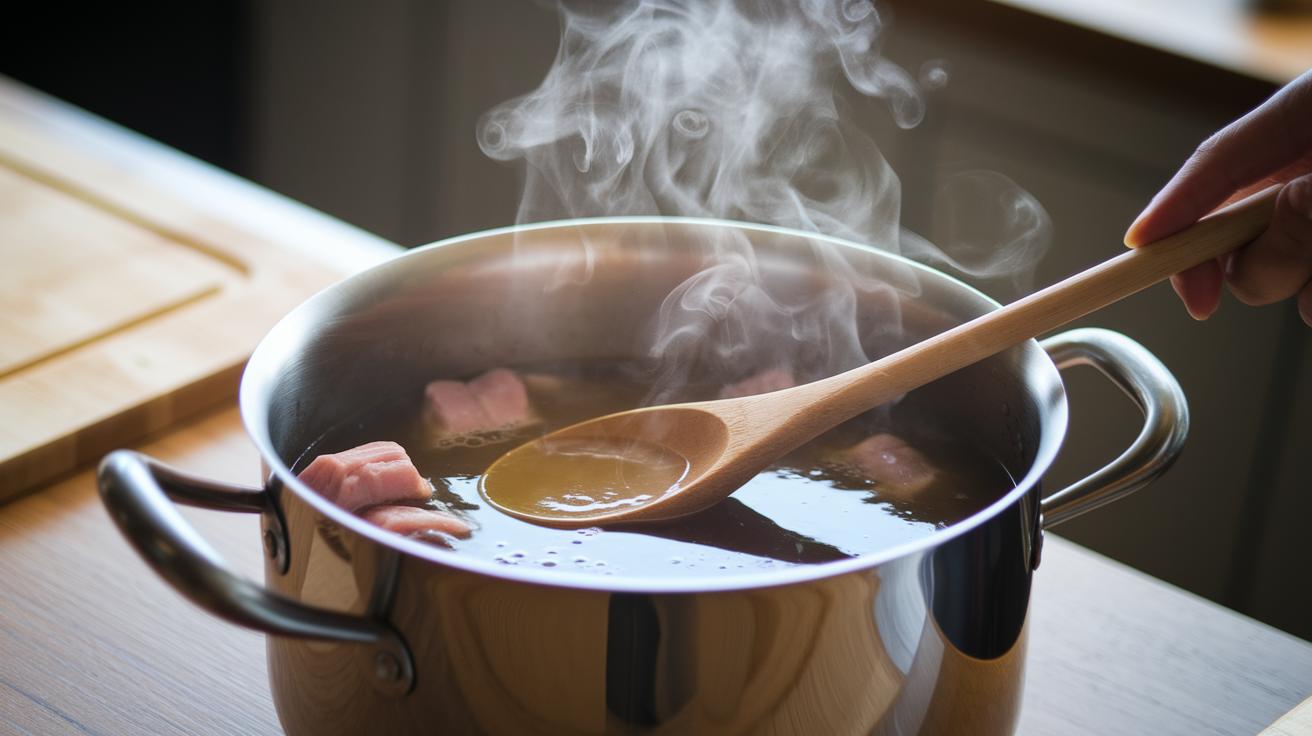
- Pour 8 cups of pork bone broth into a large pot and bring it to a gentle simmer.
- Let the broth cook slowly for 12–18 hours so the bones release deep, rich flavors.
- Periodically skim off any foam or fat that rises to the top to keep the broth clean.
- When finished, the broth should be rich and cloudy with a silky, gelatinous feel that clings to the spoon.
Tip: Even tiny bone fragments add extra smoothness that chefs appreciate worldwide.
Miso Broth
- Pour your base broth into a small pot and stir in ½ cup shiro miso paste.
- Simmer gently for 5 minutes to create a quick tare that keeps the miso’s sweet and tangy notes fresh.
- This method adds a special Hokkaido twist, giving your ramen a unique regional flavor.
Tip: It’s like adding a dash of spirited Hokkaido pride to every bowl.
Shoyu Broth
- Start with a light dashi stock made from simple ingredients.
- Add a measured soy tare , use about 1 tablespoon for every 5 oz of broth.
- This creates a well-balanced, savory base that brings out the true flavors of your ramen.
Tip: Think of it as painting with flavors, where each bit of tare highlights what’s best in the broth.
Choosing and Preparing Noodles for Authentic Japanese Ramen
Fresh vs Dried Ramen Noodles
Fresh noodles give you a tender chew, but some store-bought ones aren’t firm enough for a hearty ramen bowl. For the best texture, cook fresh noodles in boiling water for 4 minutes so they hold up well in your rich broth. Dried noodles last longer and offer a different bite. Check the package for the right cooking time, then rinse them quickly after boiling to wash away extra starch. This step helps keep your broth clean and light.
Hand-Kneaded Noodle Dough
Making noodles by hand creates a wonderful springy texture. To do this, mix flour, water, and a little alkaline water (it gives the dough a yellow color and a firm bite). Use a simple ratio: 2 parts flour to 1 part water with a pinch of alkaline water. Knead the dough until it is smooth and elastic, which builds the gluten that makes the noodles chewy. Let the dough rest for a bit so it’s easier to roll and cut into your perfect noodle shape.
Classic Tare Variations and Flavor Layering Techniques
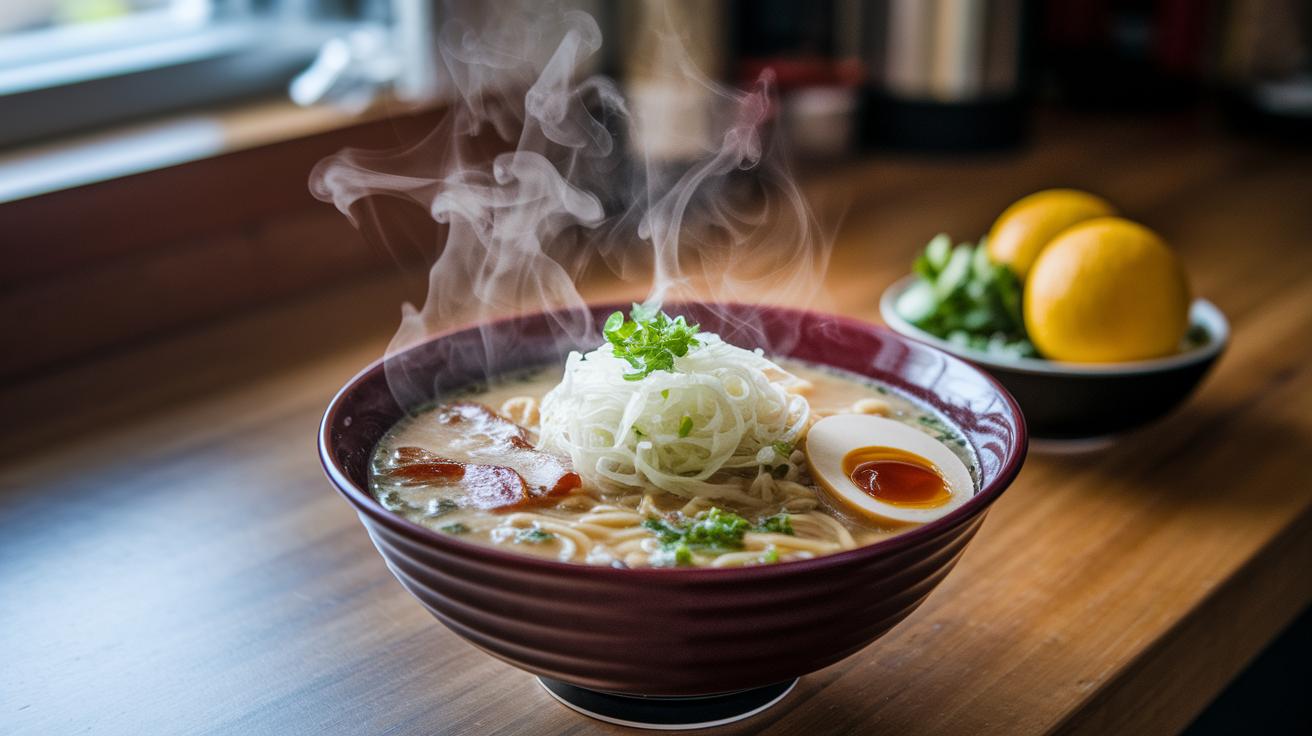
Check the instructions above for preparing and assembling the tare. For the soy bacon tare, simmer 2 slices of bacon with garlic and ginger for 1 hour. You can add a splash of chicken stock if you like. Next, warm ½ cup of shiro miso for 5 minutes to make the miso tare. Spoon 2–3 tablespoons into each bowl before adding the hot broth, then follow with noodles and your favorite toppings.
Traditional Japanese Ramen Toppings and Garnishing Tips
The final touches can turn your ramen into a feast for both the eyes and the taste buds. A mix of flavors and textures makes every bite exciting. For instance, roll, tie, and braise your chashu pork until it’s thin and tender. Prepare your ajitsuke tamago by boiling large eggs for 6 minutes 30 seconds (or 7 minutes 30 seconds for extra-large eggs) and then cooling them in an ice bath. A toasted nori sheet adds a crisp, savory crunch, while tangy menma (seasoned bamboo shoots) brings a burst of flavor. Thinly sliced scallions deliver a fresh finish, and a light drizzle of sesame oil ties all the elements together.
| Topping | Preparation | Portion per Bowl |
|---|---|---|
| Chashu Pork | Roll, tie, and braise until thin | 3–4 pieces |
| Ajitsuke Tamago | Boil, cool, and marinate (halved before serving) | 1 egg (halved) |
| Nori | Toast a sheet | 1–2 sheets |
| Menma | Season bamboo shoots | 2 tablespoons |
| Scallions | Thinly slice | 1 tablespoon |
| Sesame Oil | Drizzle over the dish | 1 teaspoon |
To plate your ramen, start by spooning in the tare (a concentrated sauce). Then, ladle hot, aromatic broth over the noodles and carefully arrange them in the bowl. Lay the chashu pork slices beside the halved ajitsuke tamago, add the crispy nori and tangy menma, and sprinkle with fresh scallions. Finish with a light drizzle of sesame oil to seal in the flavors. Enjoy your bowl of delicious ramen!
Essential Tools and Serving Tips for Authentic Japanese Ramen
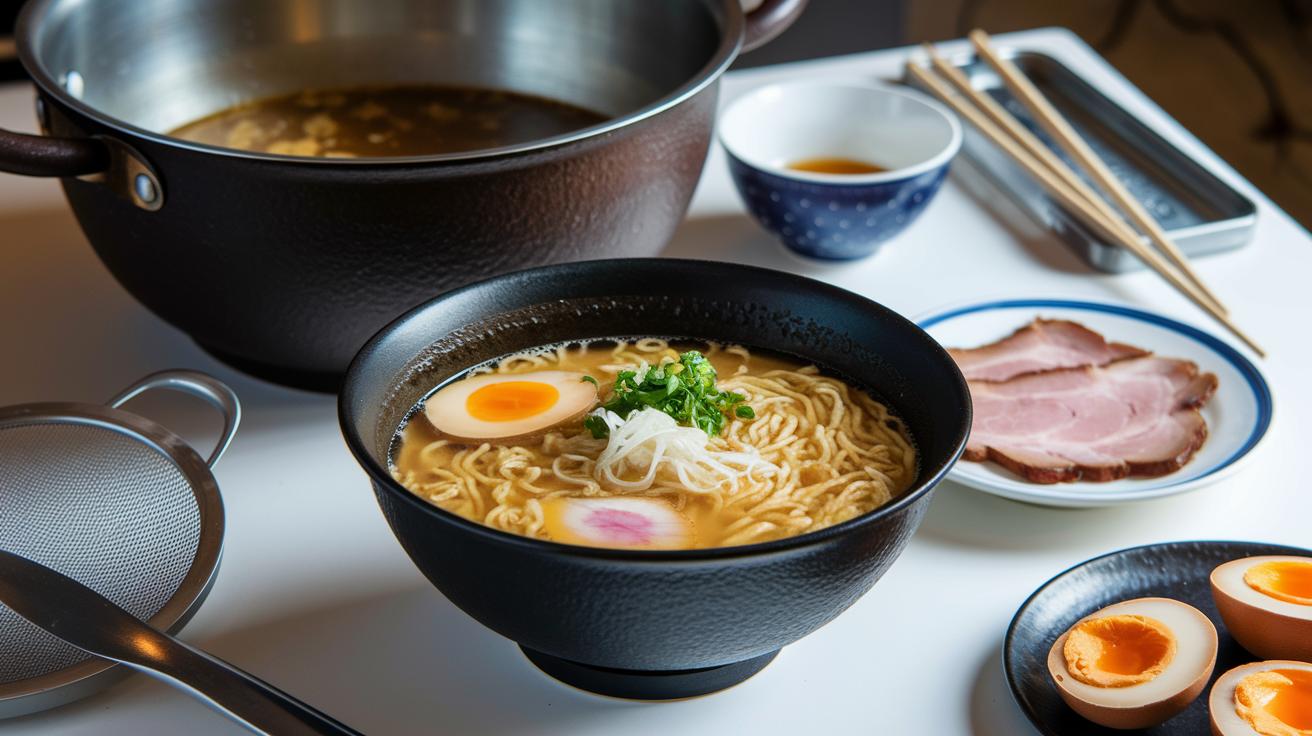
When cooking homemade Japanese ramen, using the right kitchen tools makes all the difference. Start with a sturdy, heavy pot to create a rich broth and a fine-mesh strainer to keep it clean. Choose quality ramen bowls that let your dish shine and use a dedicated ramen ladle to serve the perfect portion. And be sure to grab a reliable pair of chopsticks to enjoy that traditional feel.
Keep your broth at about 175°F (80°C) to stay hot without burning. For a picture-worthy presentation, lay out thin ¼-inch pork slices and a neatly halved egg on a plain white plate. Pair these with sides like pan-fried gyoza and crisp pickled vegetables for a fun texture contrast that enhances the deep, savory flavors of the noodle broth. Every detail, from your cookware to your side dishes, builds a warm, home-cooked ramen experience steeped in tradition.
Final Words
In the action, you worked through every key step of an authentic japanese ramen recipe. You learned how to simmer a rich tonkotsu broth, choose the right noodles, and perfect tare and toppings.
Each clear step helps make dinner simple and satisfying. Enjoy putting these techniques to work in your kitchen, and have fun creating a delicious, stress-free meal.
FAQ
What does an authentic Japanese vegetarian ramen recipe include?
An authentic Japanese vegetarian ramen recipe includes a hearty vegetable broth, noodles, tare (seasoning sauce), and fresh toppings like scallions and nori, all adapted to deliver a genuine ramen flavor without meat.
How does an authentic Japanese chicken ramen recipe create its flavor?
An authentic Japanese chicken ramen recipe builds its flavor using a clear, chicken-based broth, perfectly balanced tare, and traditional noodles, all topped with elements that highlight the warm, savory taste of roasted chicken.
How is an authentic tonkotsu ramen recipe prepared?
An authentic tonkotsu ramen recipe is prepared by boiling pork bones for 12–18 hours to create a creamy, rich broth, then combining it with tare, noodles, and classic toppings like chashu.
What makes an authentic ramen broth recipe unique?
An authentic ramen broth recipe stands out by slow-simmering bones with vegetables to produce a deep, layered taste, then carefully adding tare for balance, resulting in a clear and satisfying soup base.
How does an authentic Japanese beef ramen recipe differ?
An authentic Japanese beef ramen recipe uses tender beef and beef-based broth instead of pork, offering a savory alternative that combines rich tare, noodles, and traditional garnishes for a distinct flavor.
What defines a shoyu ramen recipe?
A shoyu ramen recipe is defined by its soy sauce-based tare mixed with a dashi stock, which produces a well-balanced, savory broth complemented by noodles and customary toppings such as chashu and scallions.
How is an authentic miso ramen recipe made?
An authentic miso ramen recipe is made by simmering shiro miso into the broth to create a deep, umami-rich flavor, then layering it with noodles, tare, and classic toppings for a cozy bowl of ramen.
What ingredients comprise traditional Japanese ramen?
Traditional Japanese ramen comprises a rich broth, noodles, tare, chashu pork (or alternative protein), ajitsuke tamago (soft-boiled egg), and various toppings like nori and scallions for added texture and flavor.
Is ramen acidic or alkaline?
Ramen’s pH can vary; the broth generally falls into a slightly acidic to neutral range, while the noodles are made with alkaline water, giving them a firm texture and a distinctive yellow color.
Why do some consider ramen unhealthy?
Some consider ramen unhealthy due to high sodium levels and the use of preservatives in seasoning packets, though a well-prepared, homemade version made with fresh ingredients can be a balanced meal.
What are some common mistakes when making ramen?
Common mistakes when making ramen include overcooking the noodles, not skimming the broth properly, mismeasuring the tare, and placing toppings unevenly, each of which can disturb the soup’s overall balance.
How is shio ramen different?
Shio ramen is different because it features a salt-based broth that is light and clear, highlighting subtle flavors and simple garnishes to create a clean and refreshing bowl of ramen.
What characterizes miso ramen?
Miso ramen is characterized by its miso paste-based tare, which brings a rich, savory depth to the broth and is enhanced by traditional toppings and noodles for a hearty, umami-packed dish.
What defines tonkotsu ramen?
Tonkotsu ramen is defined by its milky, rich pork bone broth created by long simmering, resulting in a velvety texture and deep flavor, perfectly complemented by traditional toppings like chashu.
What is tsukemen?
Tsukemen is a style of ramen where the noodles and the broth are served separately, allowing you to dip the noodles into a concentrated, flavorful broth before each bite.