


Ever thought a simple spice mix could make your dinner unforgettable? Thai curry paste adds a burst of bold flavor to every dish. This guide shows you how to whip up a hot red, a mild yellow, or a fresh green paste right at home. Follow the easy step-by-step instructions to give your favorite meals a tasty twist. Enjoy a splash of true Thai flavor in every bite!
Thai Curry Paste: Flavor Profiles, Preparation, and Culinary Uses
Thai curry paste is a versatile spice blend that brings life to many Southeast Asian dishes. It can heat up your meal with a fiery red version or add a warm, mellow touch with a yellow formula. There are even fresh, herb-infused green variations you can make at home.
For red curry paste, start with 16 dried chilies (seeds removed) that have been soaked in 3 cups of boiling water for 30 minutes. Once soft, cut them into 1 cm pieces. Add a peeled lemongrass stalk (use only the tender core), freshly grated galangal, 2 teaspoons of shrimp paste (either Por Kwan in oil or crumbled Belacan), a few coriander stems (instead of the roots), shallots, and garlic. Blend everything until smooth. This step of mixing the shrimp paste with garlic creates a rich and balanced base.
Yellow curry paste is a bit different. Begin with 4 large shallots, garlic, Thai chili peppers, ginger, and lemongrass. Roast the shallots and garlic for about 30 minutes until they are lightly browned. Then, combine these with a mix of mild curry powder, turmeric, and coriander. Blend all the ingredients well. The whole process takes roughly 45 minutes and makes enough paste for about four batches. You can freeze extra paste in an ice cube tray to use later.
This homemade spice blend works well in curries, stir-fries, soups, noodles, and marinades. Just start with 1–2 tablespoons per cup of coconut milk and adjust the heat level to your taste.
Red Thai Curry Paste: Authentic Ingredients and Preparation
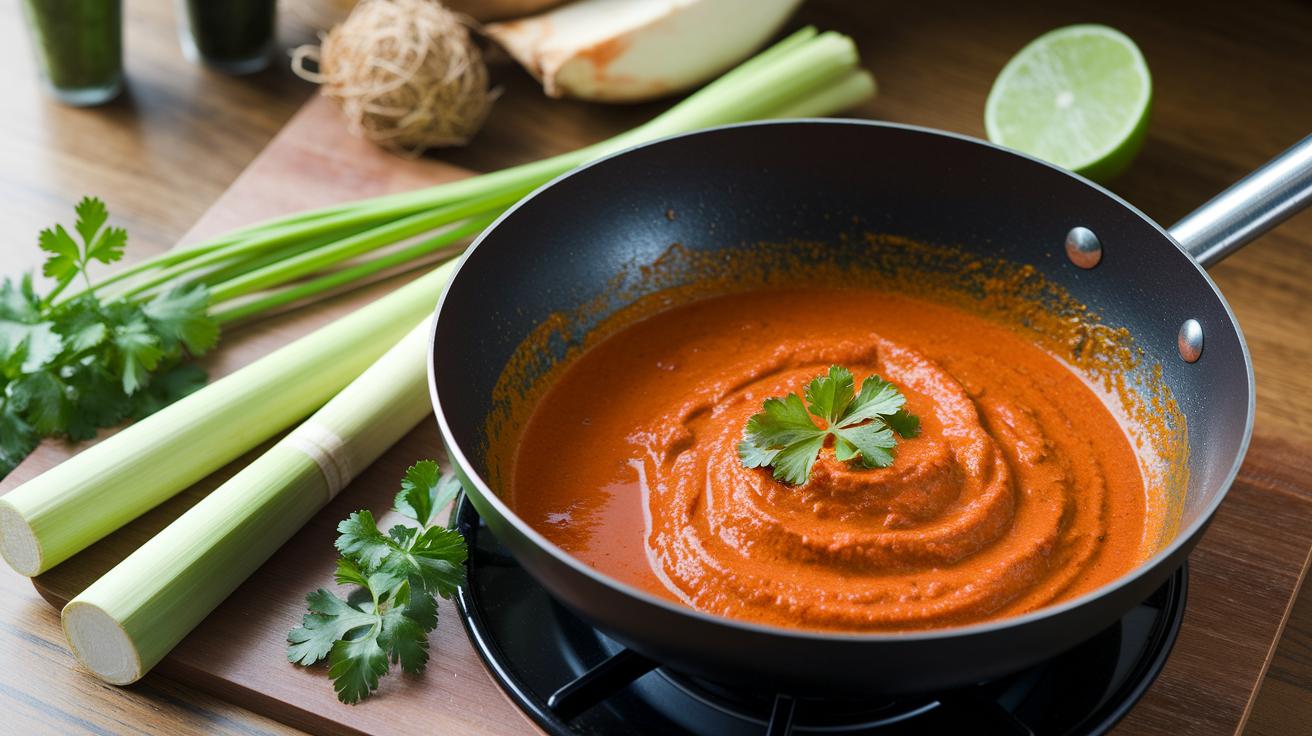
This red Thai curry paste recipe has been tested and works great. For a fresh twist, add lime zest when you swap ginger for fresh galangal. This small change lifts the aroma without changing the basic method of soaking, blending, and balancing the heat.
Key ingredients:
- 16 dried chilies (remove seeds and chop into 1 cm pieces after soaking in 3 cups of boiling water for 30 minutes)
- The tender core of 1 lemongrass stalk (discard the tough outer layers)
- Fresh galangal or equal parts ginger with the zest of 1 lime
- 2 teaspoons shrimp paste (or 2 teaspoons Belacan in oil)
- Coriander stems (use these instead of the roots)
- Shallots
- Garlic
Yellow Thai Curry Paste
You'll find full details in an earlier section. There, we explain the list of ingredients, how to roast them, the blending process, the yield, and tips for storing the paste.
Ingredient Selection and Substitutions for Thai Curry Paste
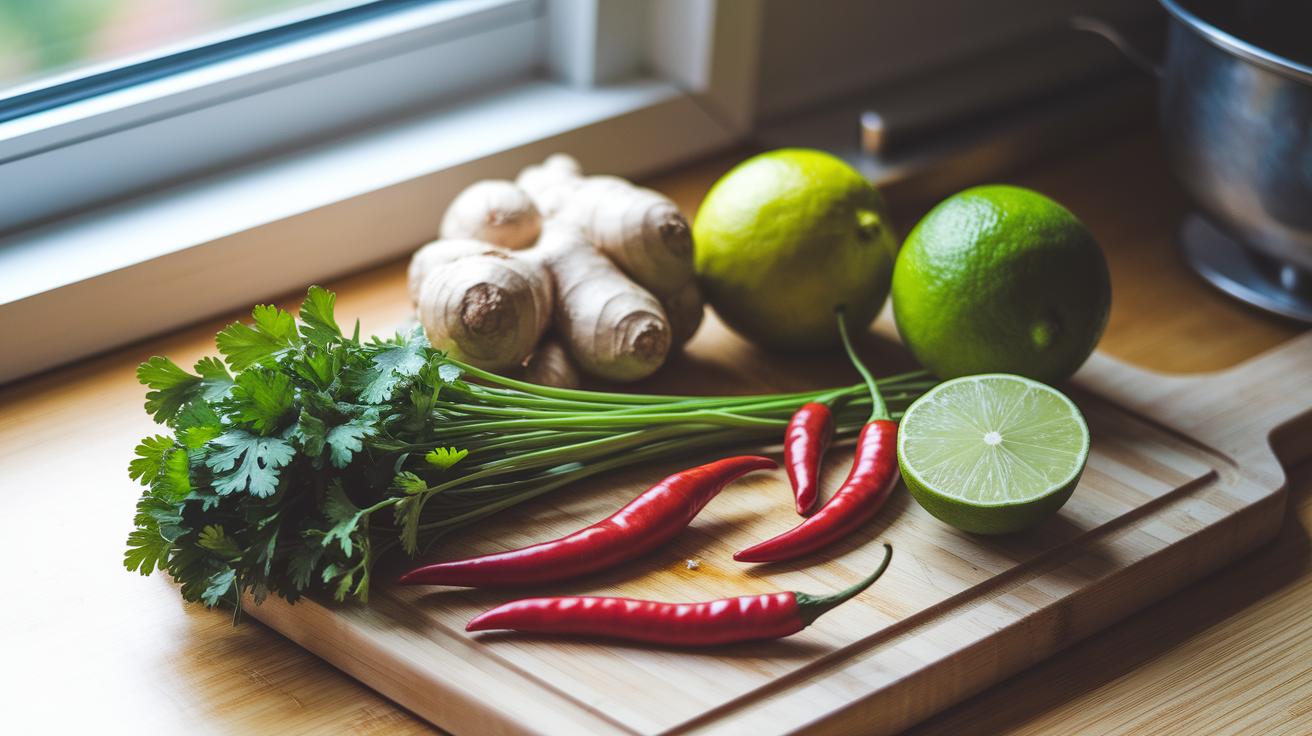
When making your Thai curry paste, pick fresh ingredients to balance flavors well. Sometimes, traditional Thai items are hard to find, so simple swaps work great.
If you can't get Thai chilies, use Fresno red chilies or red bell peppers. They add a gentle heat that still warms your dish. Instead of galangal, mix equal parts fresh ginger and lime zest for that fresh zing. Use coriander stems instead of roots to keep the texture smooth while keeping the herb taste. And if you can't find Por Kwan shrimp paste in oil, crumble some Belacan into your mixture.
Store your spices in airtight containers. They'll stay full of flavor for 2–3 years. These tweaks let you adjust the paste without sacrificing the real Thai taste.
| Traditional Ingredient | Substitute | Notes |
|---|---|---|
| Thai chilies | Fresno red chilies or red bell peppers | Milder heat option |
| Galangal | Fresh ginger + lime zest | Gives a similar zing |
| Coriander roots | Coriander stems | Keeps flavor and avoids grit |
| Shrimp paste (Por Kwan) | Belacan (crumbled) | Good non oil-based choice |
These substitutions make it easy to whip up an authentic Thai curry paste your way. Enjoy cooking and feel free to experiment with the flavors!
Storing and Preserving Thai Curry Paste
First, scoop about 1 tablespoon of extra paste into each compartment of an ice cube tray. Freeze the tray until the paste is solid. Then, move the cubes into a freezer-safe, sealed bag. This will keep your curry paste fresh for up to 6 months while preserving its texture.
For ground spice blends, use dark, airtight containers to keep out light and moisture. Store these in a cool spot in your pantry. Remember to label each container with the date you made it, like "Jan 2023." This helps you enjoy strong flavors for up to 2 to 3 years.
Using Thai Curry Paste in Recipes: Dosage and Dish Ideas

Start by mixing a small spoonful of Thai curry paste into some coconut milk. Taste it and add a bit more if you want extra heat.
Here are a few ideas to spark your creativity:
- Classic curries: Let the paste simmer gently with your favorite vegetables or meat in a rich coconut milk broth.
- Marinades: Stir the paste into yogurt or a little coconut milk, then coat chicken or fish before you grill.
- Stir-fries: Toss a spoonful into your wok along with fresh vegetables and your chosen protein.
- Soups and noodles: Mix the paste into your broth to create a warm, spicy kick in your soup or noodle dish.
- Dipping sauces: Thin a small amount of paste with water or extra coconut milk to make a simple, zesty dip. For example, blend 1 teaspoon of paste with 2 teaspoons of coconut milk.
- Thai fish cakes: Add the paste directly into your fish mix before shaping into patties for a bold, spicy flavor.
- Spiced meatballs: Mix a dose of the paste into ground meat to infuse every meatball with its warm spice.
If the heat feels too strong, add a dollop of extra coconut milk or yogurt to mellow it out. Enjoy experimenting until you find your perfect balance!
Homemade vs Store-Bought Thai Curry Paste Comparison
Homemade Thai curry paste is your go-to when you want fresh, bold flavors and the freedom to control the heat. You can pick every ingredient, adjust the spice level, and even try out new twists. For example, if you prefer a milder taste, use fewer chilies and add a bit more lime zest. Many cooks make extra and freeze it in ice cube trays, saving both money and time.
Store-bought paste, on the other hand, is all about convenience. It gives you the same texture and flavor every time, which is great for busy weeknights. While it might not have the rich depth of a fresh blend, it still makes a solid base that you can enhance with a few extra ingredients. One home cook put it best, saying it's perfect for a quick meal, even though nothing beats the lively kick of a homemade version on a special dinner.
Final Words
In the action, we broke down the art and science of making fresh curry pastes. You learned how red, yellow, and green versions each add a twist of flavor through tested, clear steps.
Practical techniques for soaking, roasting, and blending make your batches full of character. Experiment with a homemade thai curry paste in your next dish and enjoy the boost in flavor. Best of luck exploring new tastes and smart substitutions in every meal!
FAQ
What is a traditional Thai curry paste recipe and what ingredients does it include?
A traditional Thai curry paste recipe blends red or green chilies with lemongrass, galangal, garlic, and shrimp paste. Variations add roasted shallots, turmeric, or mild curry powder for yellow curry paste.
Which brands and types of Thai curry paste are known for quality, and what is the best option?
Many cooks favor brands like Mae Ploy and Thai Kitchen for balanced heat and authentic taste. They offer red, green, and yellow pastes that consistently deliver reliable flavor and spice.
What are the flavor profiles of green and yellow Thai curry pastes?
Green Thai curry paste uses green chilies and fresh herbs to create a bright, spicy taste, while yellow curry paste features roasted shallots, turmeric, and mild curry powder for a sweet, earthy flavor.
How can I purchase Thai curry paste, and what packaging options exist?
Thai curry paste is widely available online, including on Amazon, in cans or jars. These formats offer a ready-to-use spice mix that saves time and simplifies home cooking.
What can I substitute for Thai curry paste if I don’t have any on hand?
You can make your own blend by combining red chilies, garlic, lemongrass, and galangal. For a milder version, try using red bell peppers with a dash of lime zest to mimic the flavor.
Is Thai curry healthy or unhealthy?
Thai curry can be a healthy option when made with fresh spices and measured coconut milk. Its mix of herbs and spices offers nutritional benefits, though richer versions may include extra calories.
What Thai Kitchen and Mae Ploy curry paste options are popular, and how do they differ?
Thai Kitchen and Mae Ploy offer a range of curry pastes, including red, green, and yellow varieties. Thai Kitchen products are known for their consistency, while Mae Ploy versions are celebrated for authentic taste and balanced spice levels.