
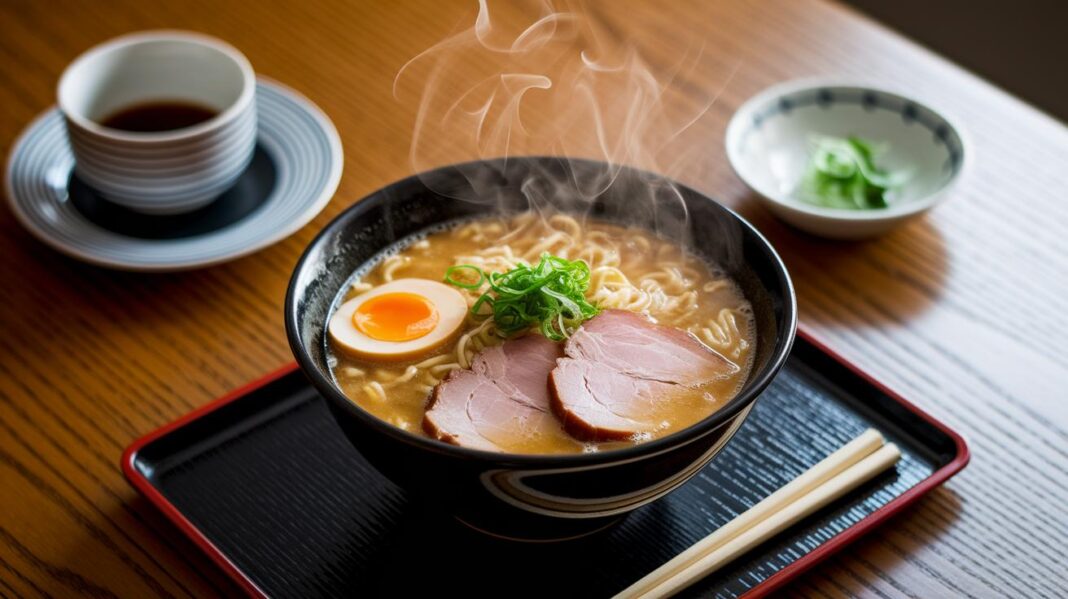

Have you ever wondered if making ramen at home can be as tasty as what you get at a restaurant? This guide gives you a simple method to create a bowl bursting with hearty flavor. We'll cover making a savory pork broth, braising the pork belly until it's tender, preparing fresh noodles, and cooking a soft boiled egg. Each step works together to bring out a deep, satisfying taste. Enjoy every bite of your homemade bowl with a warm, genuine Japanese touch right in your kitchen.
Quick Recipe Overview and Table of Contents
This classic Japanese ramen recipe shows you how to create a delicious noodle soup right at home. You'll learn to make a rich tonkotsu pork broth, mix a balanced miso and shoyu tare, prepare tender chashu pork, whip up fresh homemade noodles, and even make ajitsuke tamago. Each part comes together to highlight every savory flavor.
Jump to:
- tonkotsu pork broth (#broth)
- miso and shoyu tare (#tare)
- chashu pork (#chashu)
- homemade noodles (#noodles)
- ajitsuke tamago (#egg)
- bowl assembly (#assembly)
Every section plays a key role in building a bowl filled with umami. Click on the links above to jump directly to each set of instructions and enjoy the process of making your own authentic ramen.
Tonkotsu Pork Broth Essentials for Traditional Ramen
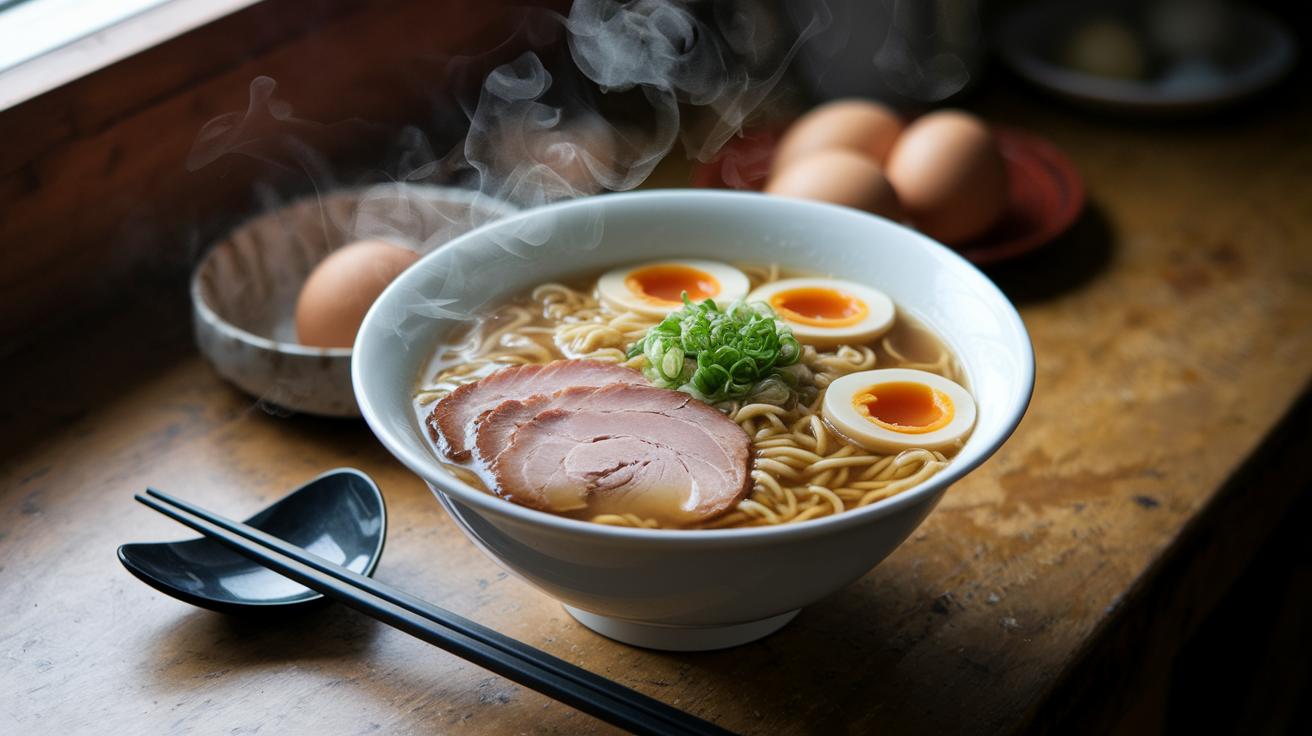
Every part of this ramen bowl adds a special touch. The rich pork broth is the heart, giving deep flavor and creamy umami. Noodles soak up that savory taste, chashu pork belly adds tender fat, medium-boiled eggs bring a smooth finish, and tare seasoning boosts the overall flavor. Using 2 lb of pork belly that is rolled and tied really helps the flavors intensify during a long, slow simmer.
| Ingredient | Role |
|---|---|
| Tonkotsu Pork Broth | Provides deep pork flavor and creamy umami |
| Noodles | Soak up the rich, savory broth |
| Chashu Pork Belly | Adds tender fat and a melt-in-your-mouth texture |
| Medium-Boiled Eggs | Give a marinated, slightly creamy finish |
| Tare Seasoning | Concentrates the flavor and adds an extra kick |
When you simmer the broth, keep the heat gentle so it barely simmers without rolling over. Let it cook for over a day to draw out all the collagen and deep pork flavor. This slow method transforms simple ingredients into a soul-warming ramen base that honors traditional technique and delivers a delicious, balanced taste.
Building Rich Miso and Shoyu Tare for Ramen
Tare is the key sauce that brings all the delicious flavors together in your ramen bowl. It adds deep, balanced flavor to every spoonful. There are two main tare sauces in this recipe: one with a savory soy and bacon flair and another with a gentle sweetness from shiro miso.
-
Soy bacon tare:
- 2 slices high-quality bacon
- Soy sauce, sake, mirin, and sugar (to taste)
- Crushed garlic and chopped green onions
- Simmer for about 1 hour. If the sauce is too thick, add a splash of chicken stock until you reach the right consistency.
-
Miso tare:
- ½ cup shiro miso
- Simmer for about 5 minutes to bring out its sweet, deep flavor
Store both sauces in airtight containers in the fridge where they will keep for several days. Use the soy bacon tare when you need a strong, savory boost and the miso tare to add a touch of sweetness and extra depth. Gradually mix small amounts into your broth, tasting as you go, to balance the flavors without overwhelming the natural taste of the pork and noodles. Play around with the proportions until you get the perfect umami kick your ramen deserves.
Homemade Japanese Ramen Noodles Technique
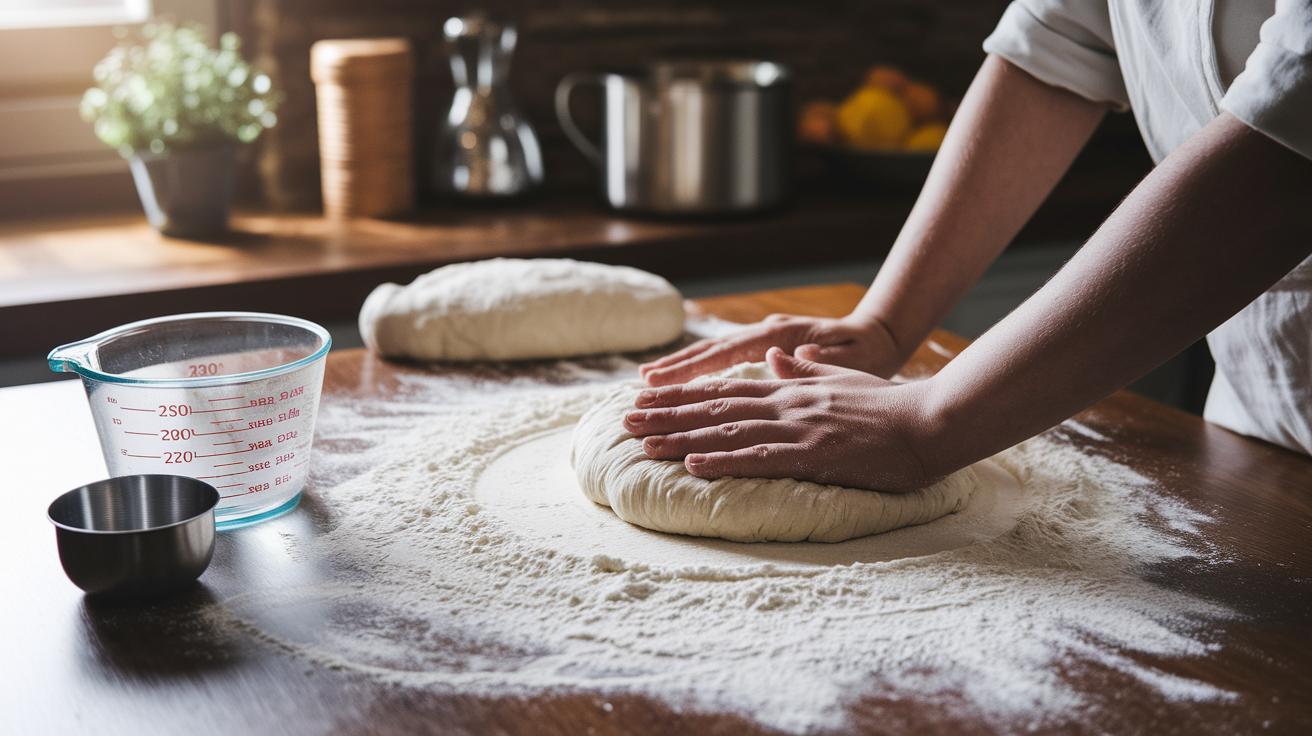
Start with the right ingredients. You need high-protein wheat flour and kansui (an alkaline water solution that gives the noodles their chewy bite). Mix 2 cups flour with 1 teaspoon kansui and 1/2 cup water. Stir until the dough is a bit lumpy, then knead it until it feels smooth and slick.
Turn the dough onto a lightly floured surface. Knead it for about 10 minutes until it becomes elastic and even. Cover the dough with a damp cloth and let it rest for at least 30 minutes. This break helps the gluten relax, making it easier to roll out.
After resting, roll the dough until it is very thin, around 1/16 inch thick. Fold the dough a few times and cut it into long, even strips. Let the strips dry for a few minutes; this little rest helps them keep their shape when you cook them.
Boil a large pot of unsalted water and add your noodles. Cook them for 4 minutes, then drain right away. Enjoy the springy texture that makes homemade ramen so special.
Perfect Ajitsuke Tamago: Marinated Soft-Boiled Eggs
- Boil large eggs for 6 minutes 30 seconds and extra-large eggs for 7 minutes 30 seconds in enough water to cover them fully. This timing gives you a slightly runny yolk that makes your ramen taste rich and creamy.
- For an extra tip, gently prick the egg shell with a pin before boiling. This simple step can help stop the shell from cracking and allows the marinade to soak in evenly.
- Right after boiling, transfer the eggs into an ice bath to quickly halt cooking. Then, peel them with care.
- Place the peeled eggs in a mixture of soy sauce and mirin. Let them marinate for at least 4 hours, or even overnight, to build a perfect balance of savory and sweet flavors that boost the umami in your ramen.
Traditional Ramen Bowl Assembly and Garnishes
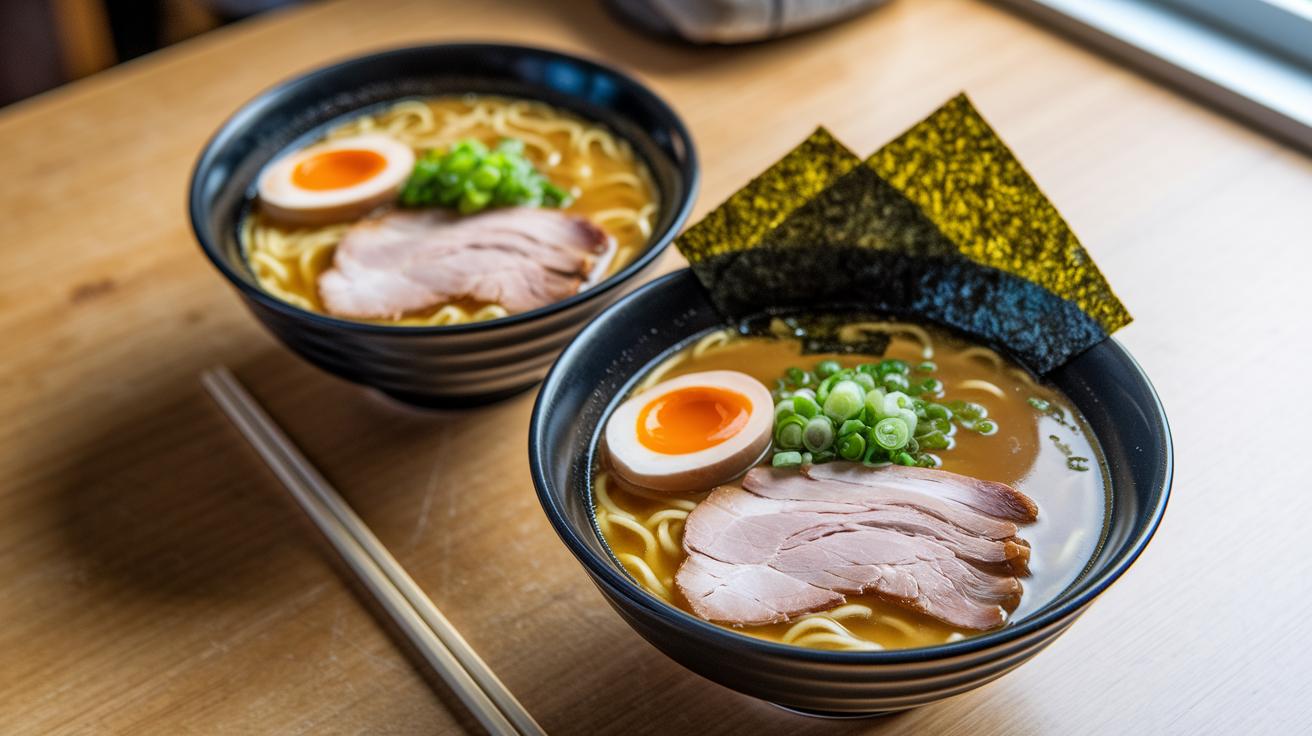
Start by splitting your cooked noodles evenly into bowls. Pour hot tonkotsu pork broth over them so every bite gets that rich, savory taste. This simple layer creates a warm base for all the bold flavors. You can add more or less broth to match your taste, but be sure it doesn't hide the other ingredients.
Next, top each bowl with tender chashu pork slices and marinated ajitsuke tamago halves. This neat presentation not only looks inviting but lifts the overall flavor. Try balancing different colors and textures for a dish that pleases both the eyes and the palate.
- Scallions for a fresh, crisp touch
- Seaweed nori to add an earthy, umami note
- Marinated bamboo shoots for a tangy crunch
These finishing touches bring together a bowl full of layered flavors and textures that make your traditional ramen both tasty and welcoming.
Regional Styles and the Origins of Japanese Ramen
Ramen started as simple street food in Japan. Local cooks took ideas from Chinese wheat noodle dishes and added their own flavors and ingredients. With hard work and creativity, they transformed basic noodles into a dish loved by everyone. Traditional methods mixed with local produce and seasonings led to many unique styles. One popular story tells of a small food stall in post-war Japan that added local miso to a classic recipe, paving the way for how we enjoy ramen today.
As ramen spread, each region put its own spin on it. In the north, cooler weather and local tastes meant using richer, thicker broths. Along the coast, lighter stocks became popular. Both home cooks and chefs experimented with various ingredients until every area had its own style that shows Japan’s rich food history.
For example, Kyushu’s tonkotsu broth is famous for its creamy, milky texture, created by simmering pork bones for several hours. This slow cooking brings out deep flavors and a smooth finish.
Tokyo’s shoyu ramen is known for its clear, savory broth with a touch of soy sauce. Meanwhile, Hokkaido’s miso ramen stands out with a hearty, slightly sweet taste that’s perfect for cold days.
Troubleshooting Tips for Deep Umami in Ramen
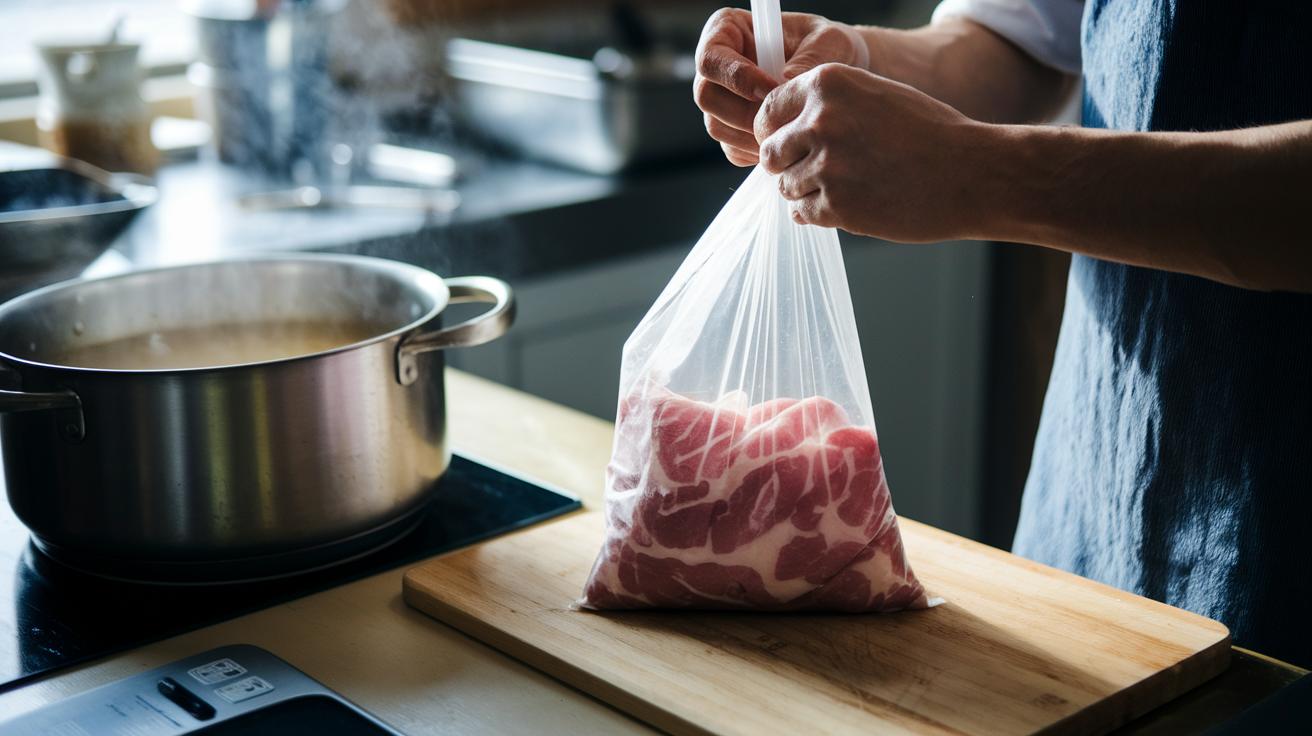
- Seal your marinating bag with chashu pork tightly and use a straw to push out extra air. This helps the marinade soak into the meat for a deeper flavor.
- Keep your broth at a gentle simmer. A steady, light heat keeps it clear and stops it from turning cloudy.
- Add tare slowly. Mix in small amounts at a time and taste as you go to balance the saltiness with the natural umami.
- Watch your noodles while they cook. Overcooking can make them soft, so follow the package instructions to get that perfect firm bite.
- Keep an eye on the broth’s clarity and fat. Skim off any extra fat to keep the pork flavor strong and balanced.
Remember, you can adjust the taste as you go. By adding tare bit by bit, you'll fine-tune the salty and savory layers in your broth. With these tips, common problems become easy to fix, giving you a restaurant-quality bowl of ramen every time.
Final Words
In the action, we covered every key step, from simmering rich tonkotsu pork broth and crafting miso and shoyu tare to making fresh noodles, perfecting ajitsuke tamago, and assembling a beautifully balanced bowl. We also explored regional influences and smart troubleshooting tips that keep the process simple. This guide is a clear, step-by-step way to tackle a traditional japanese ramen recipe with ease. Enjoy testing these techniques and making your kitchen work a bit more delightful every night.
FAQ
What is a tonkotsu ramen recipe?
The tonkotsu ramen recipe calls for a long-simmered pork broth made from pork bones and belly, served with homemade noodles, chashu slices, and marinated soft-boiled eggs to deliver a rich, savory flavor.
What is a traditional Japanese ramen recipe?
The traditional Japanese ramen recipe features a flavorful broth—whether tonkotsu, shoyu, miso, or shio—paired with fresh noodles, meat toppings like chashu or chicken, and garnishes such as scallions, nori, and bamboo shoots.
What are the key elements of traditional ramen?
Traditional ramen is built on five key elements: a savory broth, homemade noodles, a seasoned tare, meaty toppings, and fresh garnishes; each component balances flavor, texture, and aroma.
Is ramen acidic or alkaline?
Ramen can be slightly alkaline due to the use of kansui in the noodle dough, while the broth itself mostly leans toward a balanced, savory profile rather than being notably acidic.
What are the four main types of Japanese ramen?
The four main types of Japanese ramen are tonkotsu (pork broth), shoyu (soy sauce-based broth), miso (miso paste-flavored broth), and shio (salt-based broth), each offering its own unique taste.
What is shoyu ramen?
Shoyu ramen features a soy sauce-based broth that presents a light, savory taste with hints of sweetness, commonly garnished with toppings such as chashu, bamboo shoots, and scallions.
What is miso ramen?
Miso ramen is made with a rich, flavorful broth enhanced by miso paste, producing a robust, slightly sweet savory taste that pairs well with hearty toppings and vegetables.
What is tsukemen in ramen?
Tsukemen is a style of ramen where the noodles and broth are served separately, allowing you to dip firm, chilled noodles into a concentrated, hot broth for a burst of flavor with every bite.
How do traditional Japanese ramen recipes vary with chicken or beef?
Traditional Japanese ramen can flex between lighter chicken broth for a subtle flavor and robust beef broth for a deeper taste, with toppings adjusted accordingly to highlight each profile.