


Ever wonder if gluten-free bread can taste as good as the regular kind? This focaccia offers a crispy crust brushed with olive oil and a soft, airy middle. You'll spend just 15 minutes on prep and let it rise for 1 hour. In no time, gluten-free flour turns into a treat that everyone will love. Enjoy it on its own or as the base for a hearty sandwich. Its satisfying chew and delicious flavor might change your mind about gluten-free breads.
Gluten free focaccia recipe delights every bite

This gluten free focaccia gives you a soft, airy inside with a crisp, olive oil brushed crust. Each bite offers that classic focaccia feel with a chewy, open crumb. The recipe uses precise ingredients and a simple method to create a light, flavor-packed bread that works great as a snack, side, or sandwich base.
It only takes 15 minutes of active prep and a 1-hour rise to get ready for a perfect bake. You can mix by hand or use a stand mixer.
- Preheat the liquid for active dry yeast to 95–105°F (35–40°C). If you are using instant yeast, add it directly.
- In a large bowl or mixing machine, combine your gluten-free flour blend, 20 g psyllium husk powder (or 17 g if you use a different form), 1 tsp sea salt, a bit of sugar, and the yeast.
- Slowly pour in all the liquids while stirring. Save 1/4 cup of the gluten-free flour blend to add later.
- Mix on low speed, then increase to medium for about 5 minutes until the dough is smooth.
- Cover the bowl and let the dough rise for 1 hour until it looks puffed.
- Pour the dough into a 9½×13″ pan lined with oiled parchment paper.
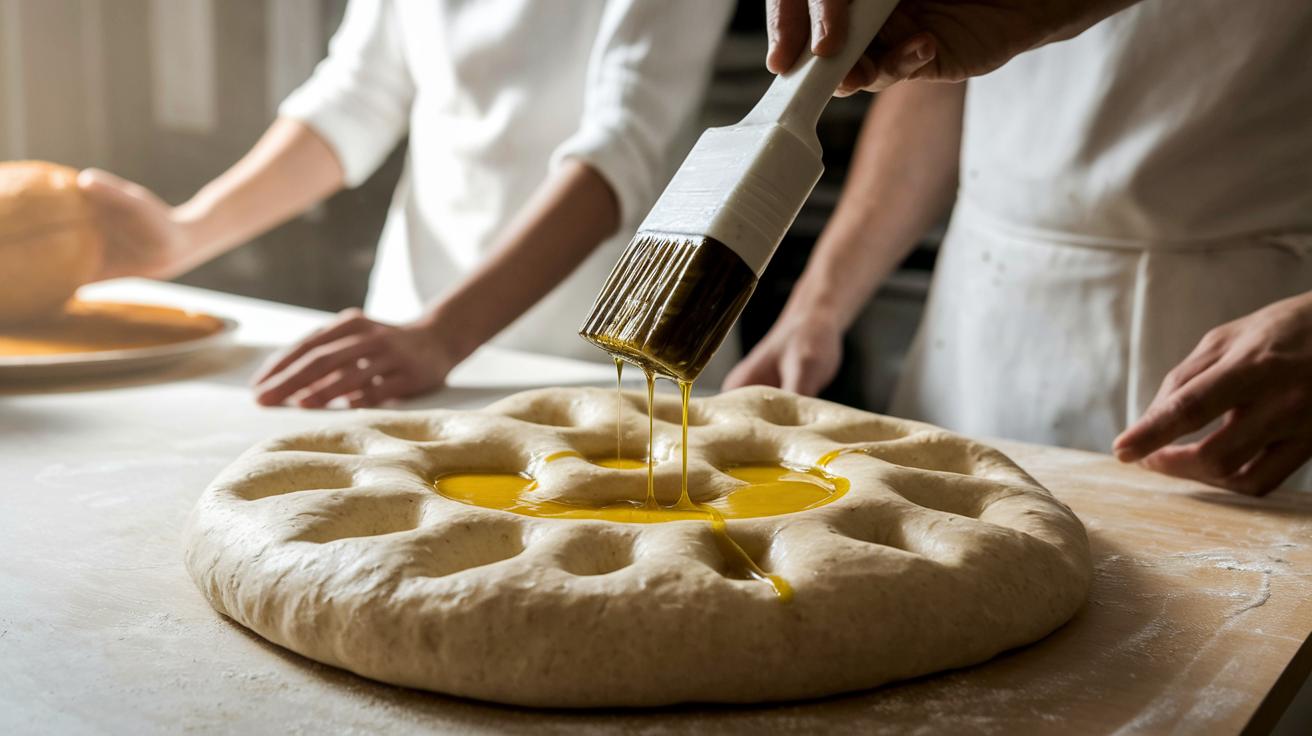
- Drizzle 3–4 Tbsp olive oil over the dough. Use your fingertips to press down and dimple the surface.
- Place the pan on the lowest oven rack with a preheated baking steel. Bake at 425°F for 40–45 minutes until the crust is crisp and golden.
- Remove the focaccia from the oven and let it rest a few minutes before slicing.
Toppings and extras:
- Fresh rosemary
- Cherry tomatoes
- Olives
- Flaky sea salt
- Parmesan cheese
Store your focaccia in an airtight container at room temperature for up to 2 days. For longer storage, freeze individual slices for up to 3 months. Reheat in a 400°F oven for 10 minutes to refresh the crust and soft interior.
Essential Ingredients and Flour Options for Gluten Free Focaccia
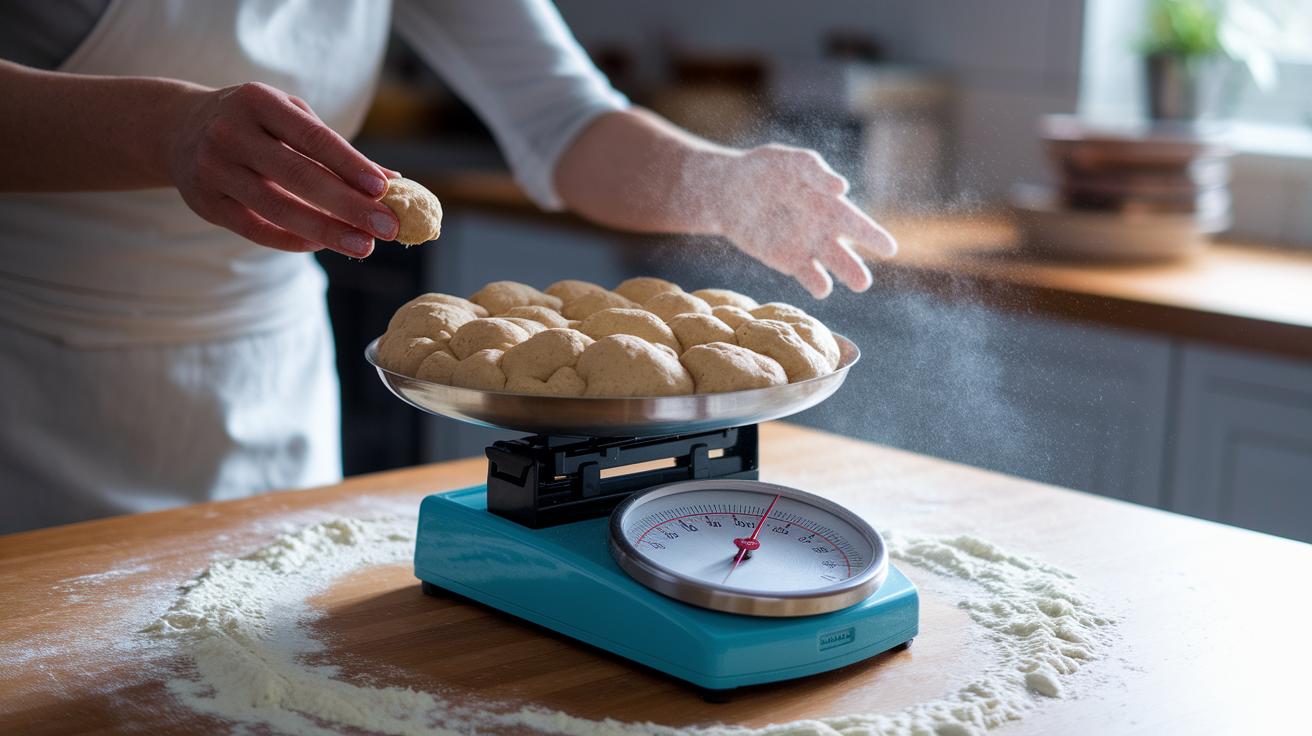
Measuring your ingredients exactly is key to making great gluten-free focaccia. Psyllium husk holds the dough together just like gluten does. Use 4 tablespoon (20 g) of husk or 17 g of the powdered kind. Olive oil adds moisture and a rich taste while forming that crisp, golden crust we all love. We use weight measurements in grams instead of cups to keep things precise and dependable. This recipe uses a gluten-free bread flour blend, usually a mix of rice flour, tapioca starch, and potato starch, to give the bread its structure and rise. A sugar-to-yeast ratio of 29 g (1 tablespoon plus 1 teaspoon) helps the yeast activate, giving you a light, airy crumb whether you use active dry or instant yeast.
| Flour Type | Characteristic | Recommended Amount |
|---|---|---|
| GF Bread Flour Blend | Structure & rise | 250 g |
| Rice Flour | Neutral flavor, light crumb | 50–75 g |
| Tapioca Starch | Chewiness, crisp crust | 25–50 g |
| Almond Flour | Moisture, nutty flavor | 25 g max |
Feel free to swap up to 10% of the bread flour blend with another flour for a different texture. You may need to add a bit more liquid if your chosen flour soaks up extra moisture.
Tips for Achieving Perfect Gluten Free Focaccia Texture
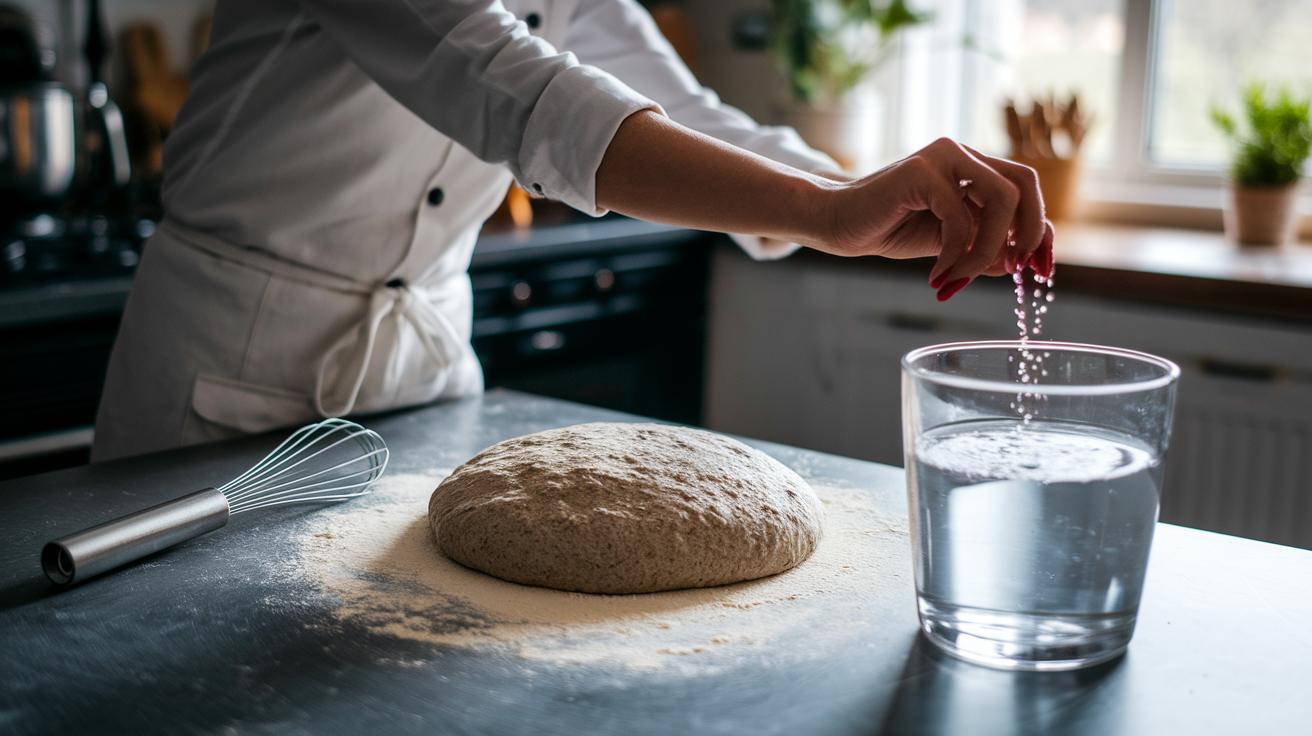
Start by checking your yeast. Warm water to 95°F-105°F, add a pinch of sugar, and stir in the yeast. Look closely for small bubbles; when you see them, you know the yeast is active and ready.
Next, mix your gluten-free flour blend and psyllium husk with the bubbly yeast. Use a low mixer speed to combine the dry ingredients with the wet. A gentle mix helps the dough keep tiny air pockets, making it light and open, much like whipped cream.
Preheat your oven to 425°F and place your baking steel on the lowest rack. Drizzle olive oil over the dough, then use your fingertips to press deep dimples all over. This step lets trapped gas escape, which produces crisp edges and a tender crumb.
Bake the focaccia for 40 to 45 minutes until the underside turns golden. When you tap it, you should hear a hollow sound. Let it rest for about 5 minutes before slicing. This short break helps set the crumb and preserves the airy texture.
Dietary Adaptations and Optional Recipe Variations for Gluten Free Focaccia
You can easily switch up this focaccia recipe to meet your dietary needs. It works well for dairy-free, vegan, sourdough, or even no-yeast versions, all while keeping a soft inside and a crisp, olive oil-brushed crust.
For a dairy-free version, swap the milk for soy or almond milk and use 2 Tbsp olive oil instead of butter. If you are going vegan, avoid eggs and dairy by using only olive oil for fat. These changes may slightly alter the flavor but keep the focaccia moist and tasty. A quick tip: measure carefully and add extra liquid if necessary.
If you want to try a sourdough twist, replace the yeast with 150 g of active gluten free starter and let the dough rise for 2–4 hours. For a no-yeast option, mix 1 tsp baking powder with ½ tsp baking soda, then let the dough rest for 30 minutes before baking. This extra time helps the dough rise properly and gives you a light, satisfying bite.
Flavor Variations and Serving Ideas for Gluten Free Focaccia

This focaccia has a simple base that lets you explore many flavors. You can stick to a classic style or try new ingredients, and each bite brings a fresh taste. Picture a crispy, olive oil brushed crust waiting for your favorite toppings. It’s easy to add your own twist with different spices and ingredients.
Try mixing up the flavors to boost the taste. For a traditional version, add fresh rosemary, garlic, flaky sea salt, and a drizzle of extra-virgin olive oil. If you want a Mediterranean feel, scatter pitted olives and sun-dried tomatoes on top, then finish with a basil pesto drizzle. For a cheesy option, sprinkle grated parmesan (or a plant-based cheese) before baking so it melts into golden pockets. And for a sweet-savory mix, layer caramelized onions and finish with a balsamic glaze for a delightful twist.
Enjoy your focaccia warm, serve it with dipping oil, a light salad, or your go-to soup. Have you tried it with a bit of olive tapenade spread on top?
Storage, Reheating, and Serving Tips for Gluten Free Focaccia
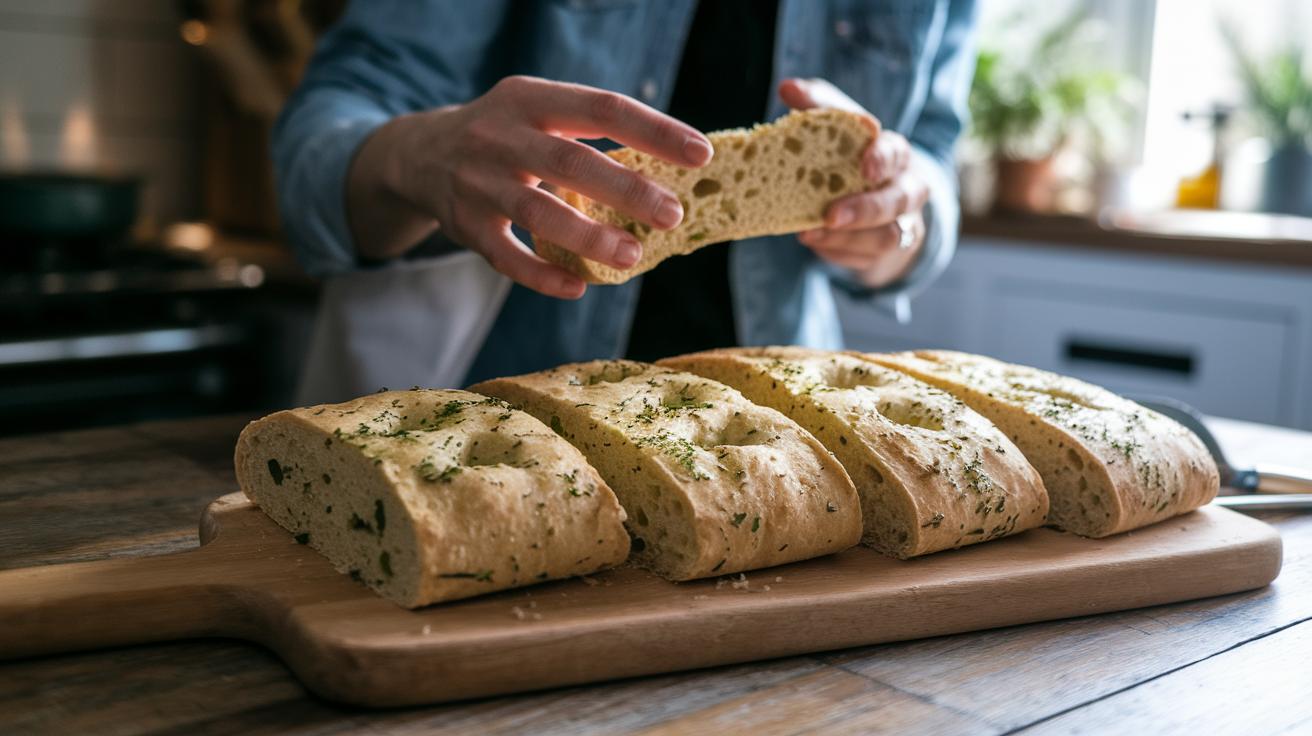
Refer to the storage and reheating directions from earlier to keep your focaccia soft on the inside and crisp on the outside.
Try serving your focaccia in fresh ways. Enjoy it warm for breakfast with smashed avocado and a sprinkle of sea salt, or use it as a base for a quick focaccia pizza with a light spread of tomato sauce and dairy-free cheese. Another fun idea: cut it into bite-sized squares, brush each piece with garlic-infused olive oil, and top with fresh herbs for extra flavor.
This gluten free focaccia is a great choice for anyone following celiac, dairy-free, or vegan diets. Its light, airy texture and crunchy bite make it a lovely match for soups, salads, or any wholesome meal.
Final Words
In the action of making your gluten free focaccia recipe, every little step makes a difference. You learned how to mix unique flours with the perfect amount of psyllium husk, proof the dough, and finish it off with a rich olive oil drizzle. Each tip, from flavor variations to storage methods, builds toward a satisfying meal. Keep exploring new toppings and reheating techniques to bring that golden, crisp crust back to life. Enjoy each bite and keep cooking with confidence!
FAQ
Q: What are some trusted gluten free focaccia recipes and variations like the ones from Jamie Oliver, King Arthur, Reddit, or a bread machine option?
A: These recipes blend trusted methods such as using quality gluten-free flour mixes with psyllium husk to replicate classic texture. They offer options from simple home recipes to adaptations from Jamie Oliver and King Arthur.
Q: What is the best gluten-free flour for focaccia?
A: The best gluten-free flour for focaccia is typically a blend that includes rice flour, tapioca starch, and potato starch. This combination provides the necessary structure and rise needed for a light, airy focaccia.
Q: Can focaccia be gluten free?
A: Focaccia can be gluten-free when made with a quality gluten-free flour blend and binding agents like psyllium husk. These ingredients help achieve an airy, tender crumb similar to traditional focaccia.
Q: What is the secret to gluten free bread?
A: The secret to gluten-free bread is balancing a well-tested gluten-free flour blend with key binders such as psyllium husk. This mix ensures proper hydration and gentle mixing for a tender, well-risen loaf.
Q: Why didn’t my gluten free focaccia rise?
A: When gluten-free focaccia does not rise, it often points to inactive yeast, water that is too cool or too warm, or insufficient binding agents like psyllium husk. Adjusting these elements can help you achieve a better rise.