
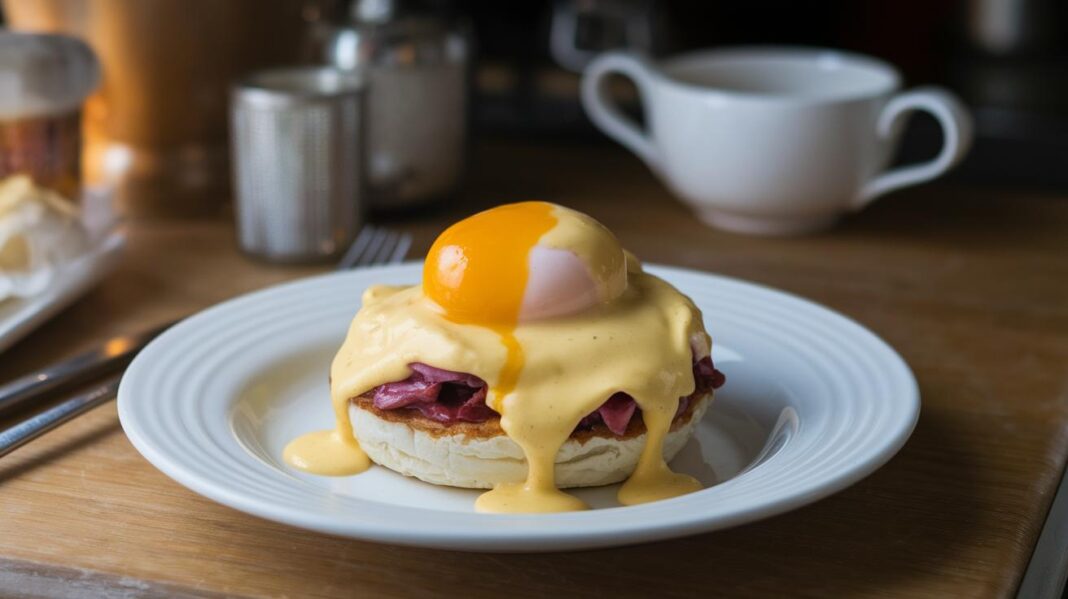

Have you ever wondered how Eggs Benedict first came to be? One story says it started as a remedy for a hangover at a famous New York hotel. Other tales tell of a spark of creativity at a well-known restaurant or even a family recipe from Commodore E.C. Benedict. Today, we look at these early stories and see how a simple meal turned into one of brunch's favorite dishes. It's fascinating to learn how history mixed with a burst of flavor made Eggs Benedict the treat we love today.
Debated Beginnings: Origins of the Eggs Benedict Dish
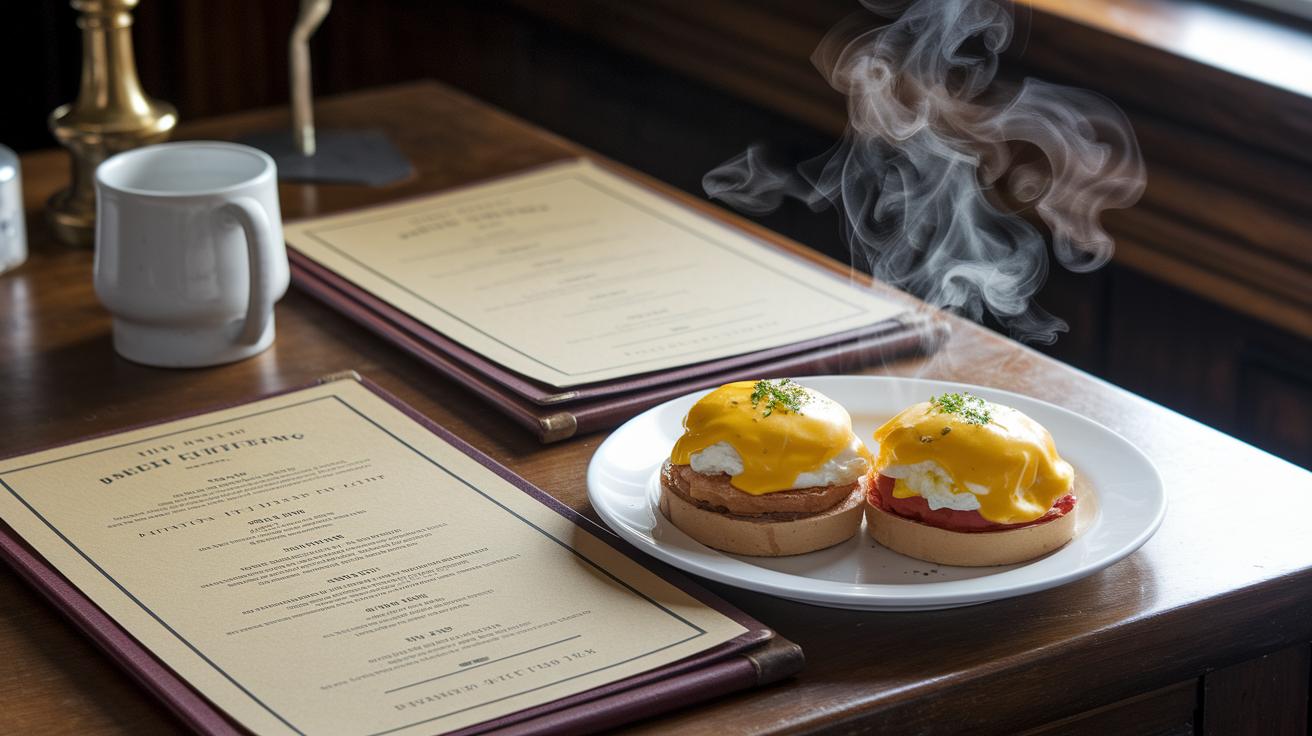
Many stories explain how Eggs Benedict was born, and food historians still debate the truth. Some say a single creative mind invented it, while others believe it grew from a mix of favorite ingredients. Each tale adds a special note to the dish’s long history.
One popular story features Lemuel Benedict. In 1894 at the Waldorf Hotel in New York, a lawyer ordered toast, poached eggs, bacon, and hollandaise sauce to help with a hangover. The mix of rich flavors and hearty textures impressed the hotel staff. His inventive fix quickly turned into a classic story of early morning misadventures.
Another story comes from Delmonico’s Restaurant. Chefs there crafted a similar dish to wow their well-known customers. This version had a refined look and a few ingredient twists, sparking debate over which place truly started the brunch favorite.
A different account comes from Commodore E.C. Benedict’s family. A 1967 New York Times piece tells of a version made with over-hard eggs instead of the usual poached ones. This change added a new spin to the dish, showing that even a little twist can build a unique history.
All these stories together shape the name and reputation of Eggs Benedict, making it a dish with a rich and playful past.
The First Documented Eggs Benedict Recipe and Hollandaise Sauce Roots
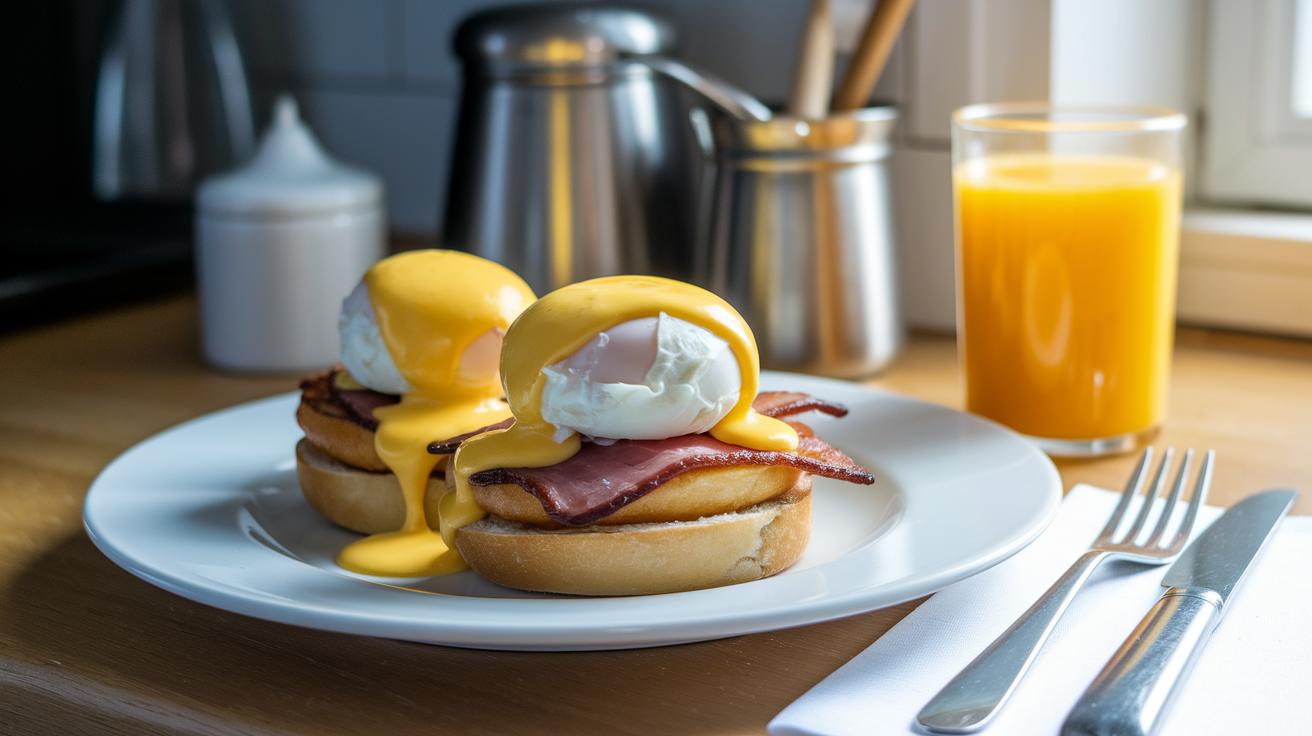
In October 1905, the Boston Cooking School Magazine shared the first known Eggs Benedict recipe. It gave readers a clear guide to create a dish that would soon charm food lovers all over the country.
The recipe has four key parts that work together perfectly. It begins with a toasted English muffin that gives a crunchy start, topped by a slice of Canadian bacon for a savory kick. Next comes a gently poached egg, with its soft, runny yolk ready to mix with a generous drizzle of rich hollandaise sauce. The magazine even wrote, "A toast to mornings with every bite," to celebrate the joy of a good start to the day.
Old cookbooks tell us that making hollandaise takes care and skill. You whisk egg yolks with melted butter over low heat until the mixture becomes smooth and thick. A steady hand and constant stirring help create the perfect, velvety sauce.
This clear guide helped make Eggs Benedict a lasting favorite in early American cooking. Its balanced flavors and thoughtful technique continue to inspire classic brunch recipes today.
Regional and Trendy Variations of Eggs Benedict Through History
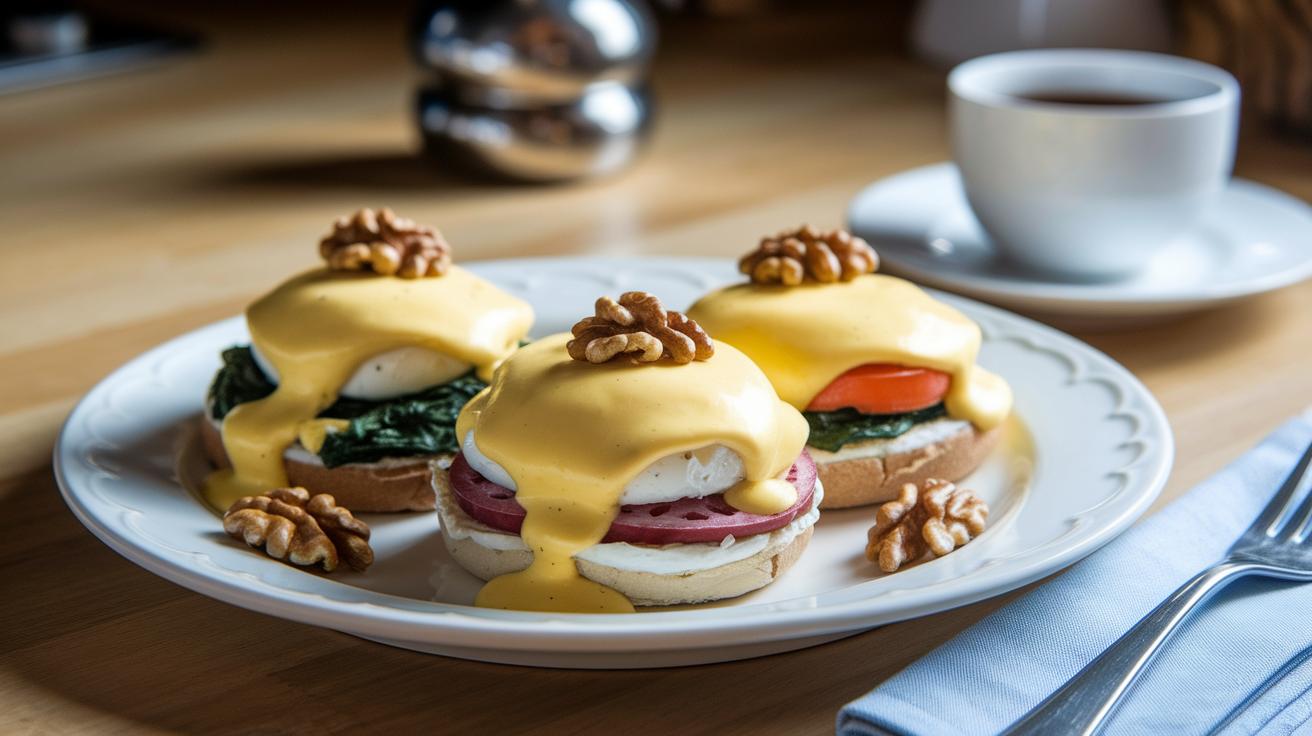
Eggs Benedict has changed over the years. Chefs have played with the recipe by adding local ingredients and creative twists to keep it fresh and appealing.
| Variant | Key Ingredient | Introduced |
|---|---|---|
| Classic Benedict | Canadian bacon | 1905 |
| Walnut Sausage | Walnut sausage | 1927 |
| Florentine | Spinach | Early 20th c. |
| Royale | Smoked salmon | Mid 20th c. |
Diet trends and local tastes played a big role in these changes. In the early 1900s, a focus on health led to ideas like the Walnut Sausage version from Chef Wyman’s Daily Health Menus in 1927. Adding spinach inspired Eggs Florentine, which brought a lighter feel and a boost of greens. Later on, Eggs Royale introduced smoked salmon for a rich, upscale twist. More recently, California-style avocado Benedict brought a fresh, creamy spin that matches modern tastes. These shifts show how innovation in American dining mixed tradition with new ideas.
Rise of Eggs Benedict in American Brunch Culture

In the 1920s, Eggs Benedict moved from fancy New York hotels to everyday diners. At first, only elite hotels served it. Soon, health-focused menus began featuring the dish thanks to Protose ads that promoted lighter meals. As more people looked for classy breakfast options in casual spots, Eggs Benedict quickly became a hit with its savory ham, soft poached eggs, and smooth hollandaise.
By the mid-1900s, Eggs Benedict was a staple on breakfast and brunch menus across America. Chefs and restaurant owners loved it as a refined yet easy-to-enjoy dish. Its journey from a hotel specialty to a mainstream favorite marked a change in American dining, mixing fine cooking with everyday tastes. It became a common treat on breakfast tables everywhere.
Today, Eggs Benedict still charms many diners. Its bright, balanced flavors and lovely presentation keep it fresh and inviting for fans of classic breakfast fare.
Eggs Benedict is now a true brunch icon in the U.S. It perfectly mixes a touch of luxury with everyday ease, endearing it to people all across the nation.
Global and Modern Interpretations of the Eggs Benedict Legacy
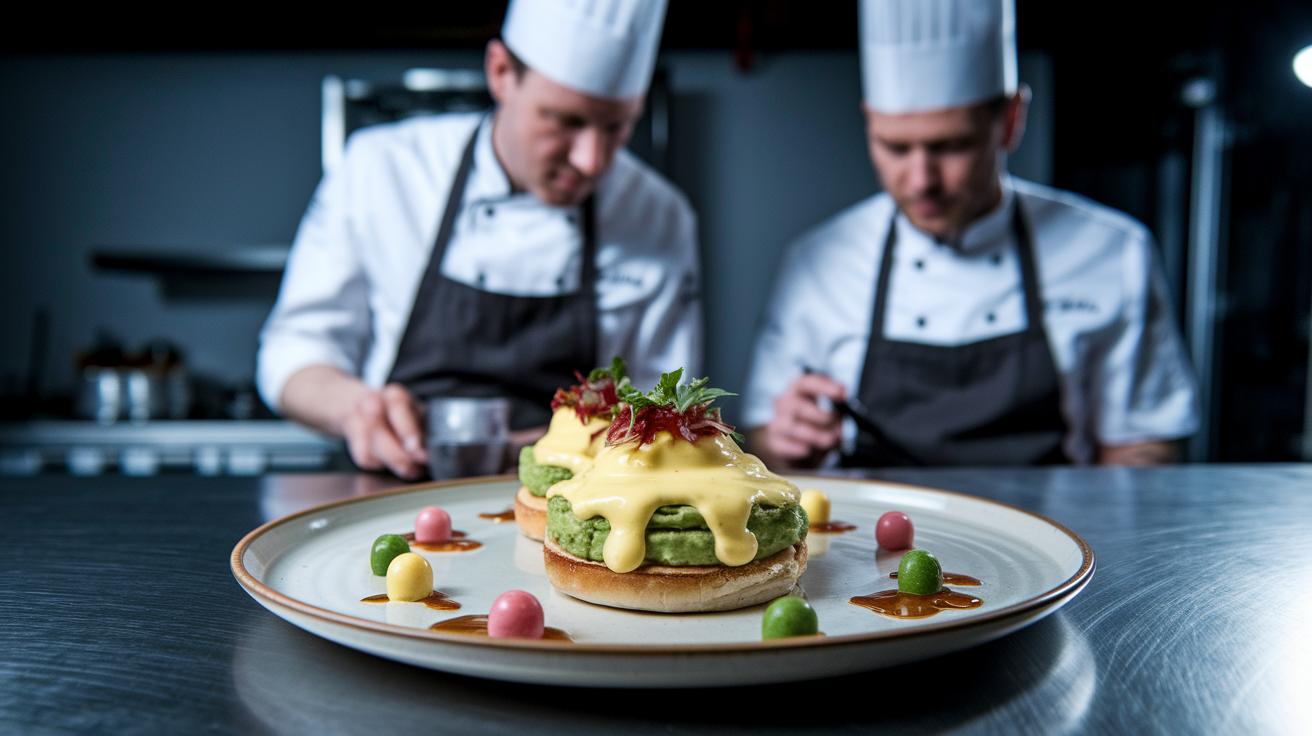
Modern chefs are putting a fresh spin on Eggs Benedict. They swap out classic elements and add new flavors that match today's dining trends. Many cooks now try plant-based options and surprise garnishes to make the dish feel new and exciting.
Top chefs have also stepped in to transform the old favorite. You might see Eggs Benedict on upscale menus presented in creative ways. One chef even serves a poached egg on a crisp layer of avocado with a smooth vegan hollandaise sauce. These variations honor the dish while giving it a current twist. Chefs also use modern plating tricks like breaking the dish into parts or adding bright garnishes that catch the eye.
Chefs around the world add their own local touch to Eggs Benedict too. In many regions, you might find a spicy Asian sauce or a herb-infused vegan cream mixed into the dish. Picture a version where the hollandaise is swapped for a cashew cream sauce, offering a nutty zing that blends with local flavors. This mix of ideas shows how the dish has changed while celebrating different food traditions.
Eggs Benedict keeps growing and changing with new ideas and global inspirations.
Final Words
In the action, we unraveled a debated origin that shaped the history of eggs benedict, from Waldorf legends to family recipes. We explored the first documented recipe, classic technique roots, and regional twists that enriched its journey. Modern chefs added global flavor variations to this brunch icon, keeping the tradition fresh and exciting. Each part of the story weaves together clues to the dish's enduring charm. This reflection reminds us that even the simplest ingredients can spark curiosity and confidence in the kitchen.