
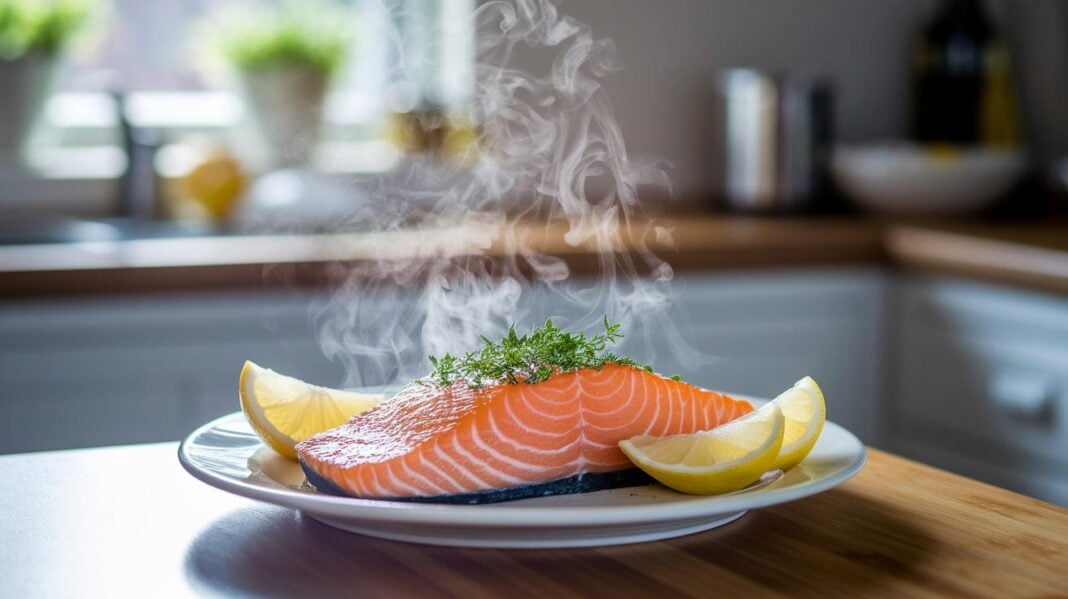

Ever wondered if you could make a fish dinner that's both simple and full of flavor? Baked salmon turns an ordinary meal into a bright, citrusy dinner that's perfect for busy nights. In this guide, I’ll show you how to create a moist, flaky fillet with a refreshing twist. Follow these easy steps to bring restaurant-quality taste to your home kitchen, and enjoy a weeknight meal you can really look forward to.
Perfect Baked Salmon Recipe: Simple, Step-by-Step Guide
This is a straightforward salmon bake that works great for busy weeknights. Follow these simple steps for a moist, flaky, and flavorful dish.
- Preheat your oven to 450 F. Cut a 1.5 lb salmon fillet into four 6 oz pieces. Keep the skin on to help the fish stay moist as it bakes.
- Use paper towels to pat the salmon dry. Season well with salt and pepper. Run your fingers gently along each piece to check for pin bones, and remove any loose ones with kitchen tweezers.
- Place the salmon pieces skin-side down on a baking sheet lined with parchment paper or foil. This step helps the fish not stick and makes cleanup easier.
- In a small bowl, mix citrus juice, a dollop of Dijon mustard, a few crushed garlic cloves, and a squeeze of lemon juice. Brush this glaze evenly over the salmon. Doing so keeps the fish juicy and adds a bright flavor.
- Put the baking sheet in the oven and bake for about 20 minutes. The salmon is ready when it flakes easily with a fork and its internal temperature reads between 125 F and 130 F. Then, let it rest for 3 minutes before serving.
Enjoy your delicious baked salmon and feel free to share your own tweaks or tips!
Selecting and Prepping Salmon Fillets for Oven Baking
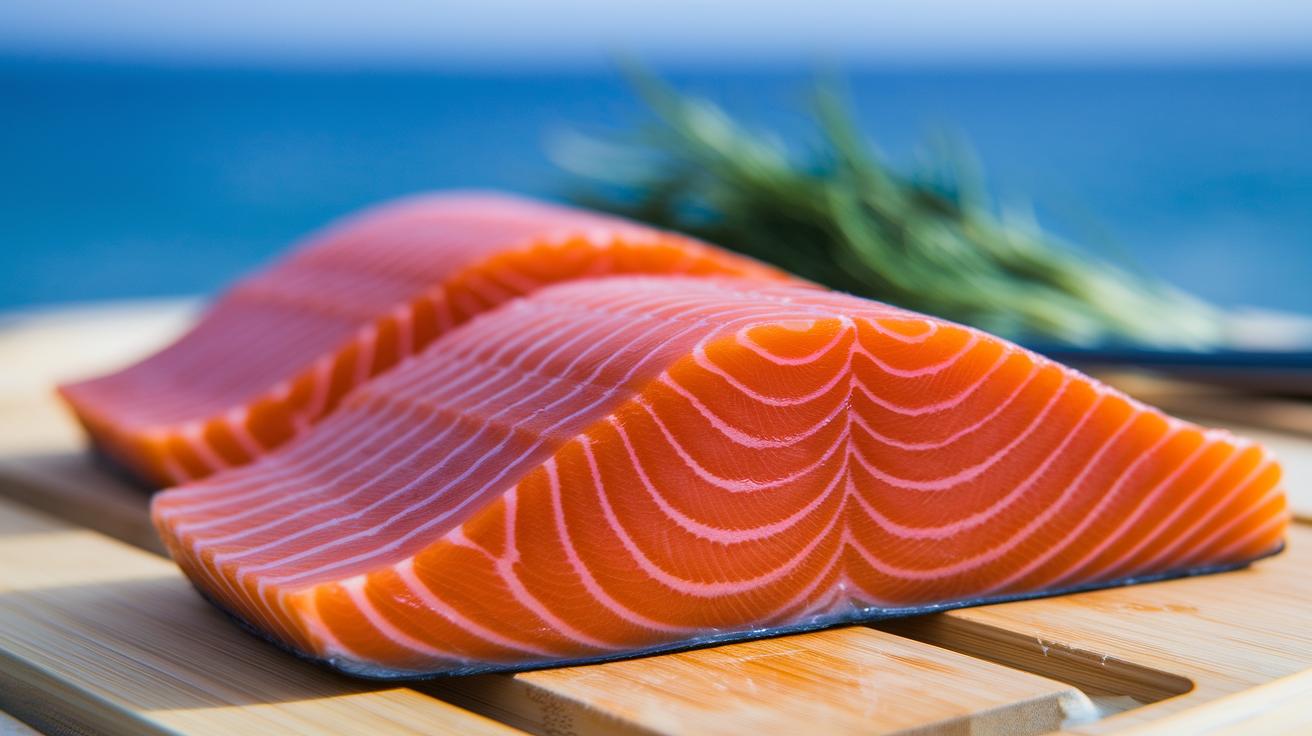
Pick 6 oz salmon fillets that are bright pink and moist. A fresh fillet shines with a clear, ocean-fresh look and promises a tender, full-flavored bite.
For tips on drying, seasoning, and removing pin bones, check out our step-by-step guide.
Flavor Variations for Baked Salmon Recipes
Customize your baked salmon with easy glazes and rubs that add a fresh twist to your dinner. Changing up the flavors can turn a basic salmon dish into a meal everyone will love. Here are 6 tested ideas to try:
- Classic Dijon-lemon garlic glaze: Mix 2 tablespoons Dijon mustard, the juice of 1 lemon, and 2 minced garlic cloves. This tangy mix highlights the salmon's natural taste.
- Honey-drizzled garlic roast: Brush a light honey garlic glaze on your salmon. Use a bit less than older recipes to keep it from burning while adding a sweet, savory taste.
- Maple-mustard roasted salmon: Stir together 1 tablespoon maple syrup and 1 teaspoon mustard. This swap gives the dish a subtle sweet and tangy kick.
- Balsamic-glazed Mediterranean style: Drizzle balsamic vinegar with a touch of olive oil and garlic over your salmon. This creates a rich, deep flavor.
- Dill-cream herbed bake: Combine chopped fresh dill with a light cream sauce and a squeeze of lemon. This blend adds a delicate herbal note to your fillets.
- Paprika-chili lime crust: Sprinkle a dry rub of smoked paprika, chili powder, and lime zest on the salmon. It delivers a vibrant and slightly spicy finish.
These flavor upgrades work well with other proteins too, like chicken legs. Enjoy exploring each twist to find your favorite way to bake salmon!
Baking Techniques: Temperature, Timing, Covered vs. Uncovered
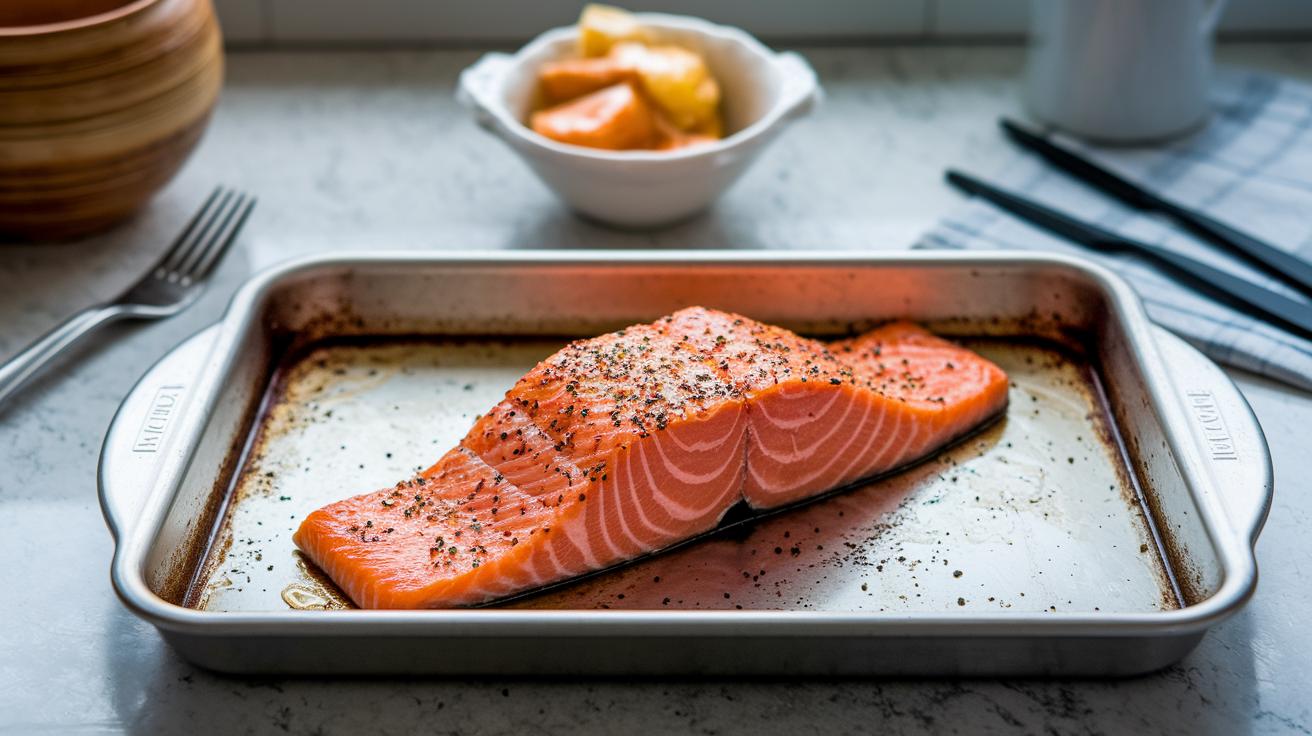
When baking salmon, your oven's heat and whether you cover the dish make a big difference. If you bake it uncovered at 400-450 F, it seals in the juices and crisps the edges. This gives you a moist center with a slightly crunchy outside. On the other hand, baking it covered at 325-350 F keeps the fish extra moist, ideal for a tender texture, even if it doesn’t get that crisp finish.
Be careful with extreme temperatures. Too low and the salmon can dry out; too high and your glaze might burn. To check for doneness, gently flake the fish with a fork. If you don’t have a thermometer, look for a center that still appears a bit translucent.
| Temperature | Time per 1″ Thickness | Result |
|---|---|---|
| 375 F | 15–18 min | Even cook, slight crust |
| 400 F | 12–15 min | Crisp edges, moist center |
| 425 F | 10–12 min | Quick roast, pronounced browning |
Experiment with these tips to find the method that works best in your kitchen.
Serving Suggestions and Side Pairings for Baked Salmon
Pair your baked salmon with a side of creamy, savory mashed potatoes for a comforting meal. Add a serving of fluffy quinoa or rice to bring a hearty grain element without stealing the spotlight from the fish's mild flavor. For a burst of color and freshness, try a vegetable medley like steamed broccoli or roasted asparagus. Lightly seasoned veggies balance the dish and enhance the salmon’s natural juices.
Plate the salmon on a white dish and top it with a lemon wedge to boost its bright, zesty taste. A mixed salad with crisp greens, a drizzle of olive oil, and a light sprinkle of salt adds a nice crunch and contrast to the tender fish. These sides round out your meal with a perfect mix of protein, starch, and fiber. Finish with a few sprigs of fresh herbs on the salmon to keep the presentation simple yet inviting. This family-style dinner is satisfying, visually appealing, and a great choice for a quick, delicious home meal.
Simple sides truly make the dish shine.
Storage and Reheating Tips for Baked Salmon Recipes
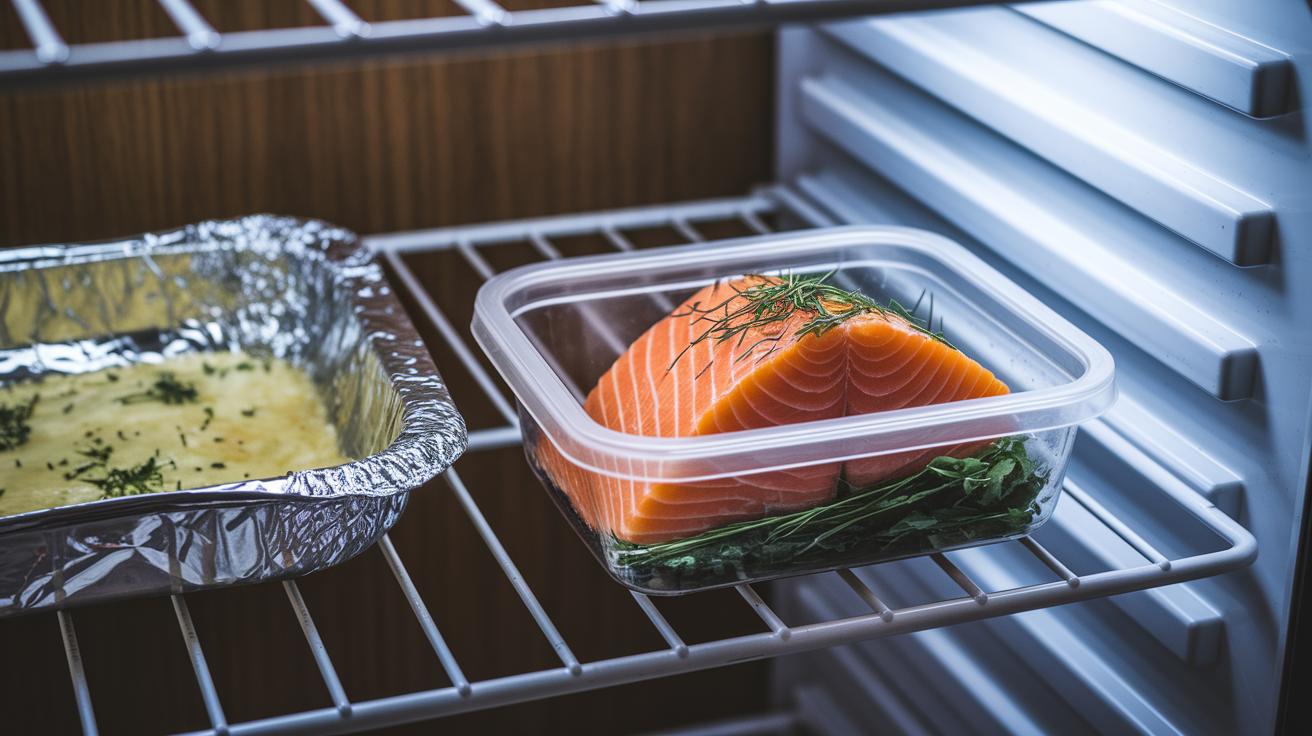
Keep leftover baked salmon in an airtight container in your fridge for 3-4 days. To reheat while keeping it moist and tender, try one of these methods:
- Heat in the oven at 275 F until warm.
- Microwave on medium power and check every 30 seconds.
- Warm in a skillet over low heat with a light drizzle of olive oil.
For an easier cleanup next time, line your baking dish with foil or parchment paper. This simple step makes transferring leftovers a breeze.
You can also turn your salmon into a new meal. Flake it and add to a crisp salad, mix with pasta and fresh vegetables for a quick lunch, or pack it into tacos with a squeeze of lime. Enjoy making the most of your delicious salmon!
Nutritional Benefits of Baked Salmon Recipes
Baked salmon is a lean dish full of protein and key nutrients that boost everyday health. The dish gives you omega-3 fatty acids, which help build muscle and support a healthy heart. It is also a good source of vitamin B12, calcium, and potassium, plus antioxidants that support strong bones and a solid immune system.
This meal is lower in calories and saturated fat than many red meats, making it a great choice for healthy eating. The omega-3s help your brain function better and can even reduce swelling, which may boost your energy and clear your mind.
Baking helps keep the natural oils and flavor locked in, so the salmon stays tender and full of goodness. Serve it with fresh vegetables or a side of whole grains to create a balanced meal that feels both satisfying and nutritious.
Final Words
In the action, we walked through a detailed, easy-to-follow method that covers every step, from prepping quality fillets and selecting perfect glazes to managing temperature and timing. We explored flavor variations and simple side pairings that turn baked salmon recipes into a complete meal. Every tip aims to save time and build confidence in the kitchen. Enjoy the fresh take on baked salmon recipes and let this guide boost your weeknight dinner game with simple, delicious results. Happy cooking!
FAQ
What are some baked salmon recipes with mayo?
Baked salmon recipes with mayo use the creaminess of mayo to add moisture and a subtle tang. They often combine with garlic or herbs for balanced flavor and a rich, juicy finish.
What makes the best baked salmon recipe in the world?
The best baked salmon recipe in the world features a zesty citrus–Dijon glaze, perfectly crisped edges, and moist, flaky fish. It delivers simplicity and bold flavor in every bite.
How do easy baked salmon recipes work?
Easy baked salmon recipes simplify the cooking process with few ingredients and minimal steps. They involve seasoning fillets, applying a flavorful glaze, and baking at high heat for about 20 minutes.
How do baked salmon recipes with sauce enhance flavor?
Baked salmon recipes with sauce focus on a delicious glaze brushed onto the fillet, such as citrus–Dijon or honey garlic, which seals in moisture and adds a sumptuous, tangy twist.
What characterizes Jamie Oliver’s baked salmon recipe?
Jamie Oliver’s baked salmon recipe emphasizes fresh ingredients and straightforward methods. It uses lightly seasoned fillets with herbs, lemon, and olive oil, delivering a clean, robust flavor.
What are some interesting baked salmon recipes?
Interesting baked salmon recipes play with different glazes and toppings. Options include balsamic or maple mustard glazes, or a spicy paprika-chili crust that adds a fun, bold twist to the classic dish.
How can I achieve crispy baked salmon?
Crispy baked salmon is made by baking at high heat, which crisp up the edges while keeping the center moist. A thin layer of glaze or light oiling of the skin enhances that perfect crunch.
How do baked salmon recipes with lemon taste?
Baked salmon recipes with lemon bring a bright, refreshing twist by incorporating fresh lemon juice and zest along with herbs. This simple addition elevates the natural richness of the fish.
Is it best to cook salmon at 350 or 400 °F?
Salmon cooks best at 400 °F for a quicker bake that seals moisture and crisps the edges, whereas 350 °F might be used for gentler cooking that retains more softness but less crispiness.
How long should salmon be cooked in the oven?
Salmon is usually baked for 12–20 minutes depending on its thickness. For a 1½ lb fillet cut into 6‑oz pieces, around 20 minutes ensures a moist, perfectly cooked result.
What seasoning goes well on salmon?
Salmon pairs well with a simple seasoning of salt, pepper, and lemon, along with herbs like dill. A dry rub with paprika or a sprinkle of chili lime can add an extra flavor boost.
Should I cover the salmon when baking in the oven?
Covering salmon while baking helps retain moisture but may prevent the skin from crisping. Most recipes recommend baking uncovered at high heat to achieve both tender flesh and a slightly crisp edge.