


Ever wonder why some meals pack such a punch of flavor? Moroccan cooking mixes spices, herbs, and slow-cooked techniques to fill every bite with taste. These recipes come from Berber, Arab, and Mediterranean traditions and invite you to share a meal that brings everyone together. Whether you’re enjoying a savory tagine or a hearty couscous bowl, each dish tells a story of family and history. In this post, we explore the bold flavors of Moroccan cuisine and show you how to create memorable meals right at home.
Moroccan Cuisine Dishes: Enjoy Bold Flavors
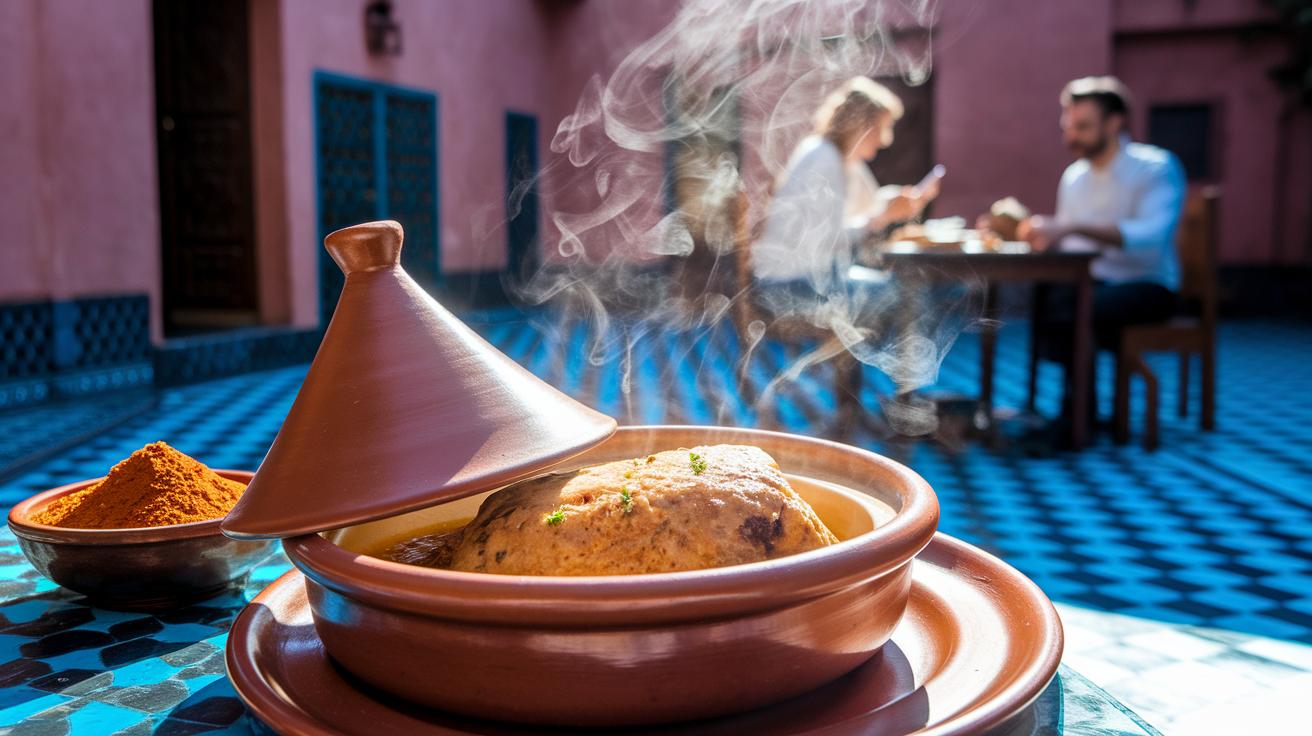
Moroccan cuisine bursts with bold, memorable flavors passed down through generations. It blends Berber, Arab, and Mediterranean influences into meals that are meant to be shared with family and friends. Local spices and fresh ingredients come together to make hearty, aromatic dishes.
One classic is the tagine, a slow-cooked stew made in a special clay pot that keeps every flavor inside. Couscous, steamed semolina that is light yet filling, serves as the perfect base for lamb, chicken, or vegetable stews. Harira is a warming tomato-lentil soup mixed with spices to soothe the soul. And b’stilla surprises you with a layered pastry filled with spiced meat, almonds, and a hint of sweetness.
Traditional mint tea finishes the meal, cooling your palate after the warm spices. Every dish tells a story of history, culture, and shared celebrations.
Tagine Classics: Slow-Cooked Moroccan Claypot Dishes
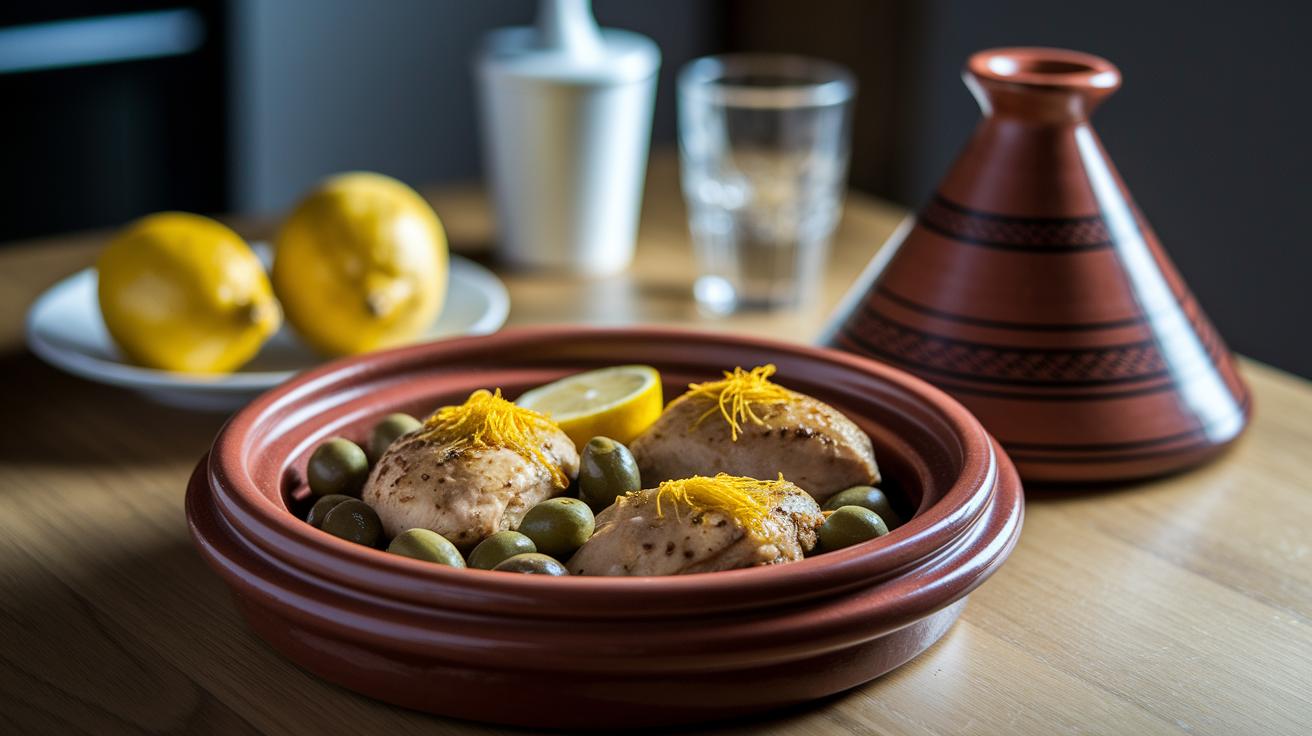
Tagine is a classic Moroccan dish named for both the clay pot and the slow-cooked stew made in it. It cooks on low heat for 2 to 4 hours, which locks in rich flavors. This method makes meats tender and vegetables soft. The pot’s design helps steam mix spices and ingredients into a warm, inviting meal.
Chicken and Preserved Lemon Tagine
This recipe features chicken with preserved lemon, briny olives, and a touch of saffron. First, brown the chicken pieces in a bit of olive oil. Then add water, garlic, and a few strands of saffron. Stir in sliced preserved lemons and whole olives. Let the dish cook slowly so the flavors blend, leaving you with tender chicken and a light citrus note.
Lamb with Prunes and Almonds
This version uses tender lamb paired with sweet prunes and crunchy, toasted almonds. Start by browning the lamb chunks until you see a golden crust. Next, add prunes, a drizzle of honey, and warm spices. Allow the lamb to simmer gently so the meat turns soft and the fruit adds a gentle sweetness. Top with almonds for a satisfying crunch and nutty finish.
Vegetable and Dried-Fruit Tagine Variations
For a vegetarian option, try mixing hearty carrots, artichokes, and dried fruits like apricots and raisins. During slow cooking, the dried fruits release natural sugars that balance the earthy vegetables. This dish is especially comforting during cooler months.
| Recipe Name | Main Ingredients | Cooking Time |
|---|---|---|
| Chicken & Preserved Lemon | Chicken, Lemon, Olives, Saffron | 2 hrs |
| Lamb with Prunes & Almonds | Lamb, Prunes, Almonds, Honey | 3 hrs |
| Vegetable & Dried Fruit | Artichokes, Carrots, Apricots, Raisins | 2.5 hrs |
Moroccan Couscous Creations: Steamed Semolina Specials
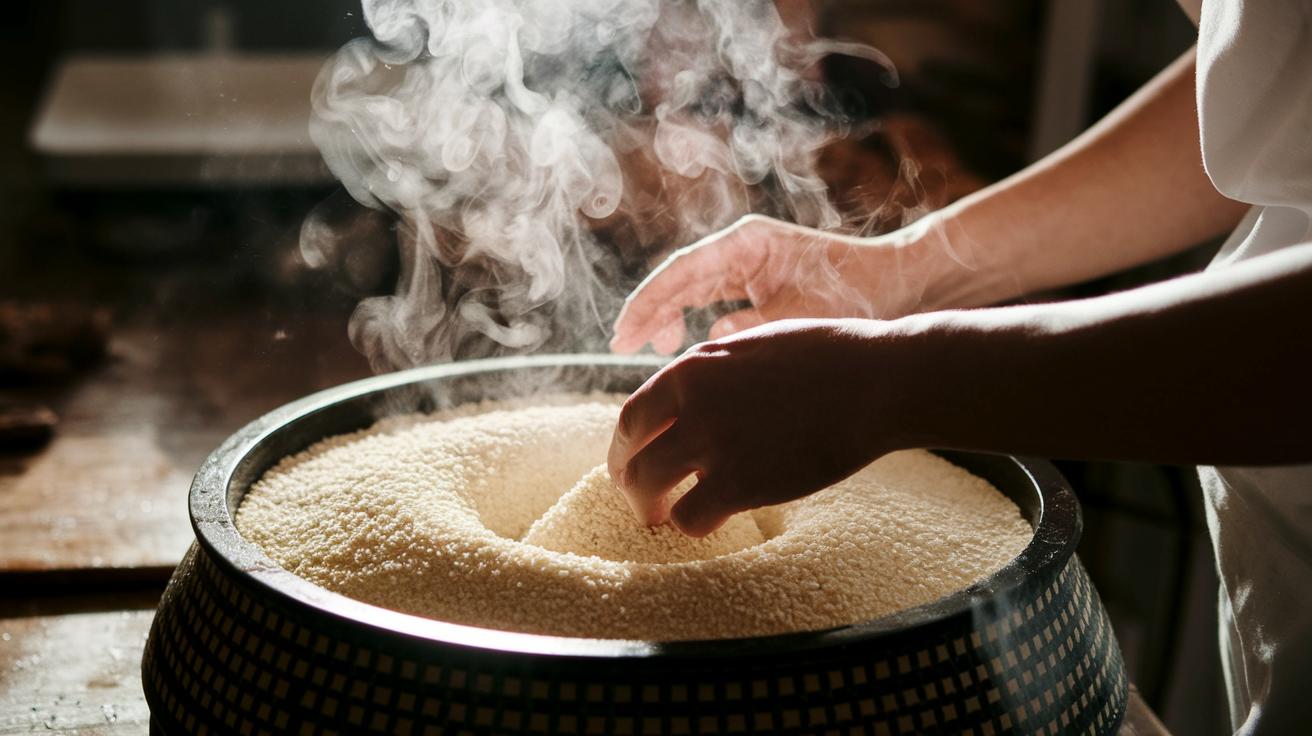
Traditional Three-Step Steaming Method
Start by lightly misting durum wheat semolina with water until it feels soft and a bit crumbly. Then, use your palms to gently roll the semolina into small, even granules. Next, steam these granules in a traditional couscoussier for about 10 minutes, letting the heat blend the flavors and improve the texture. Repeat the misting, rolling, and steaming two more times for a light, fluffy base. Think of it like a gentle rain turning dry soil into a thriving garden.
Vegetable-Loaded Couscous Royale
Top your freshly steamed couscous with a hearty vegetable stew made from seasonal produce. Use ripe tomatoes, tender zucchini, and sweet bell peppers for a colorful mix. Simmer the veggies with some garlic, a pinch of spices, and a dash of olive oil until they soften slightly yet keep a bit of crunch. This bright, nutritious topping works best with lamb or chicken, or it stands on its own as a satisfying vegetarian meal.
Sweet Couscous with Dates and Almonds
For a sweet twist, mix the couscous with chopped dates and toasted almonds. Drizzle a little honey and sprinkle some cinnamon into the mix. Let the dish rest for a while so the flavors come together nicely. Enjoy this dessert-style couscous with a side of fresh fruit or a dollop of vanilla yogurt for a soft, naturally sweet finish.
Hearty Moroccan Soups and Stews: Harira to Lentil Delights
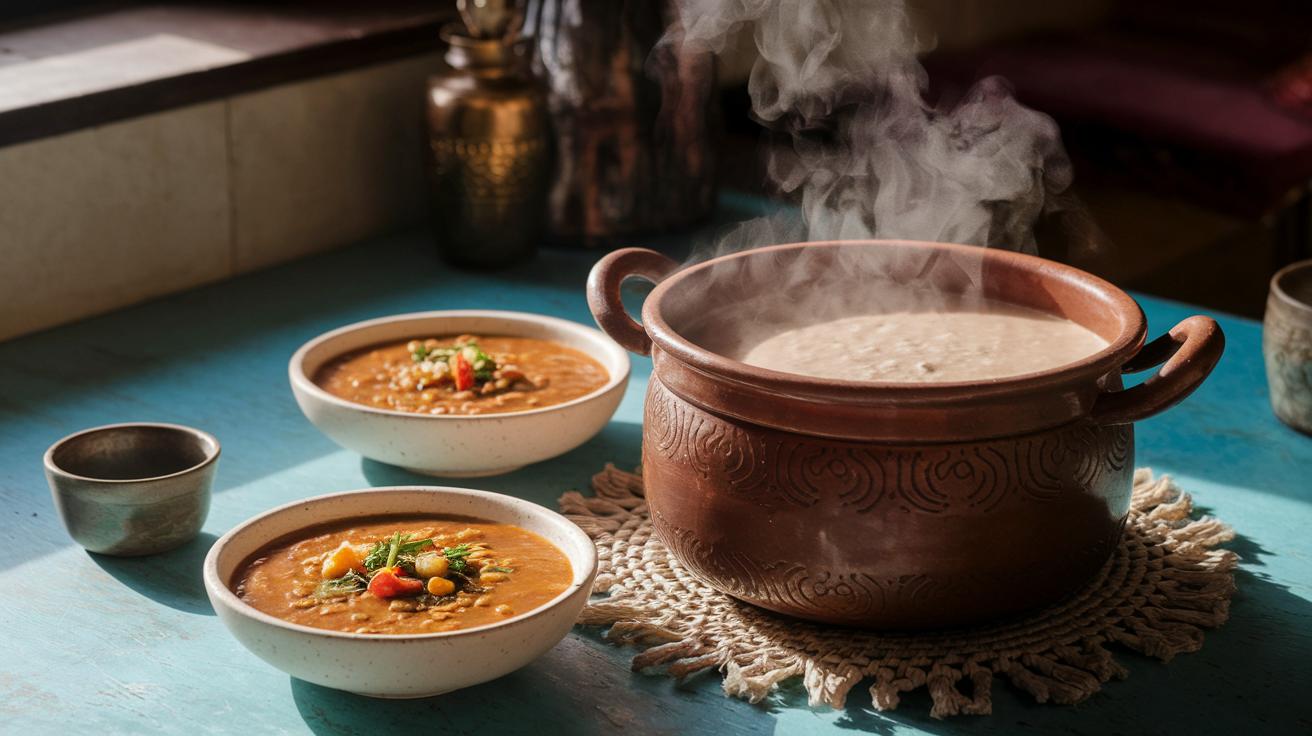
Moroccan soups and stews offer a taste of home-cooked comfort. Harira is a well-known Ramadan soup that mixes tomatoes, lentils, chickpeas, and lamb into a hearty broth. It is spiced with ginger, turmeric, and cinnamon. The tender meat and nutritious beans create a nourishing dish with many layers of flavor in every spoonful.
A lighter choice is a spiced lentil soup. Cumin and paprika add warmth and give it a smooth texture. The lentils naturally thicken the broth and bring a creamy quality that works perfectly with the bold spices.
Vegetable stews give a fresh twist to old favorites. Eggplant, zucchini, and tomatoes are slowly stewed to bring out their natural sweetness. A drizzle of olive oil and a pinch of simple spices enhance each vegetable's true taste.
Slow-cooked beef braise is another must-try. Marinated beef with saffron and garlic simmers until it is so tender that it falls apart easily. This dish brings deep, savory flavors together with a hint of exotic spice, making it a perfect meal for family dinners or festive gatherings.
Savory Moroccan Pastries and Street Food Favorites

Moroccan street food is full of rich, bold flavors with every bite. One standout is B’stilla, a flaky layered pastry filled with spiced pigeon or chicken, almonds, egg, and a light dusting of cinnamon sugar. Its mix of sweet and savory makes it a true delight.
Another tasty choice is Medfouna. This soft flatbread hides well-seasoned seafood or meat inside. Each bite brings a zest of tangy and savory spices that feel true to Moroccan tradition.
Local markets also serve kefta skewers. These meat treats are spiced with cumin and coriander before being grilled to juicy perfection. They offer a simple taste that stays with you.
Street vendors serve msemen too, a flatbread drizzled with honey. Paired with grilled eggplant and spicy dips, its smoky flavor and gentle heat are sure to wake up your taste buds.
- B’stilla with spiced pigeon or chicken
- Medfouna stuffed with seafood or meat
- Kefta skewers with cumin and coriander
- Msemen flatbread and grilled eggplant with spicy dips
Sweet Endings: Moroccan Desserts and Mint Tea Rituals

Moroccan sweets wrap up meals with a special kind of magic. Chebakia are crunchy sesame and honey cookies that stick just right and are loved during festivals. Cornes de gazelle are gentle almond crescents touched by a hint of orange blossom. Briouates are light almond pastries with a rich flavor. Many of these treats use honey and cinnamon for a warm, cozy finish.
Mint tea is the soul of Moroccan dessert time. Fresh green tea is steeped with crisp mint and a bit of sugar, then poured high three times to make it frothy and full of aroma. This careful ritual deepens the tea’s flavor and stands for warm hospitality and togetherness.
Seasonal twists bring extra charm to these sweet endings. For example, a glaze made with pomegranate molasses can drizzle over chebakia for a tang that cuts through the sweetness. In cooler months, an orange-rosewater fig compote adds a burst of citrus and floral notes that brighten the rich desserts.
Enjoying these treats with a well-made cup of mint tea welcomes you into the warm and vibrant world of Moroccan cooking.
Spice Blends and Traditional Techniques in Moroccan Cooking
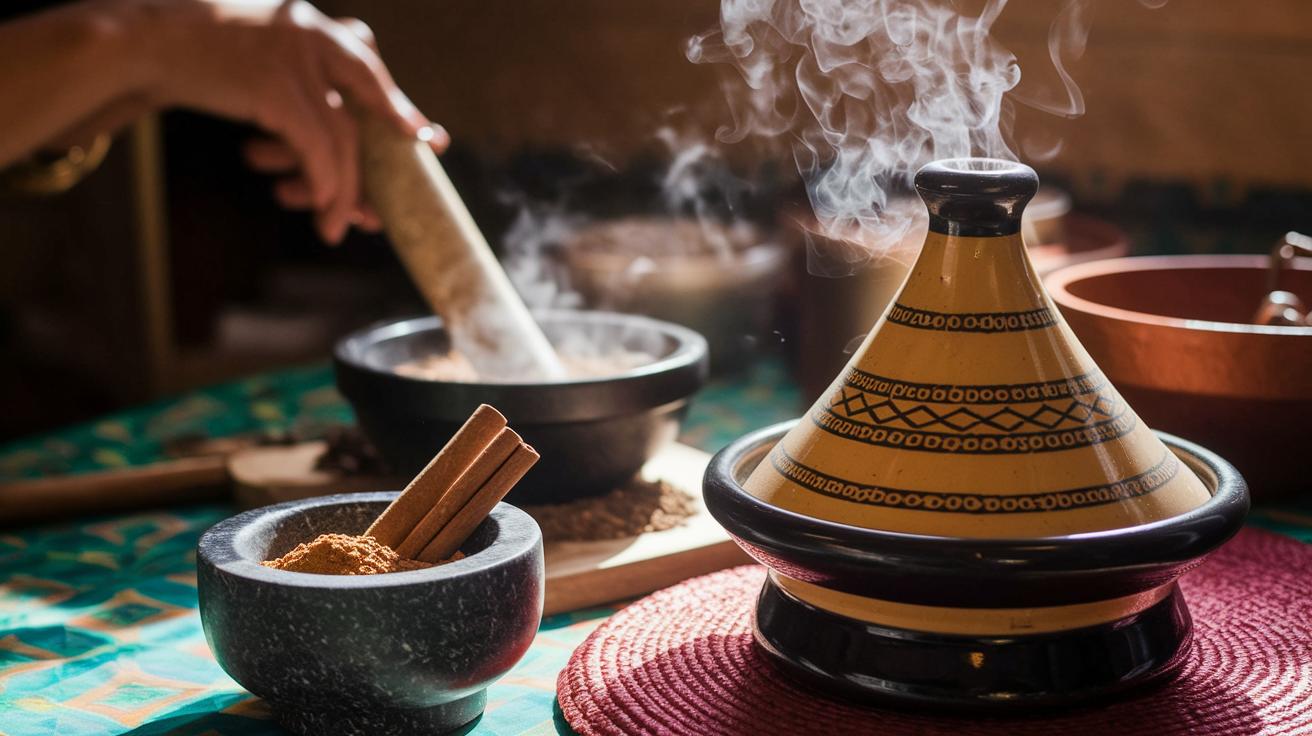
Moroccan cooking uses many spices to create bold, layered flavors. Most home cooks combine cumin, coriander, ginger, paprika, turmeric, cinnamon, and saffron to build a rich taste profile. I suggest using a mortar and pestle to crush some spices fresh, like breaking cinnamon sticks into a fragrant powder, for a livelier flavor.
Traditional methods are still at the heart of Moroccan kitchens. The tagine method slow-cooks food for 2 to 4 hours, letting the flavors blend gently. The clay pot steams ingredients from the bottom, leaving each bite tender and infused with spice. Another common tool, the couscoussier, steams semolina rounds and rice, slowly lifting the flavors into a delicate finish. Open-fire grilling adds a subtle smoky note that nicely balances the spices' sweetness.
Olive oil plays two key roles. It cooks the dish and also finishes it. Warming olive oil with garlic or chili and drizzling it over your meal gives a burst of flavor that highlights the spices.
- Cumin: Adds warmth and a nutty aroma to stews and marinades.
- Coriander: Provides a citrusy, earthy kick that works well in tagines.
- Ginger: Brings a spicy snap to enrich hearty meat dishes.
- Paprika: Offers a sweet, smoky depth ideal for grilled foods.
- Turmeric: Gives a golden color and earthy flavor to rice and sauces.
- Cinnamon: Infuses both sweet and savory dishes with a gentle spice.
- Saffron: Lends a floral note and vibrant color to stews.
Final Words
In the action, we explored iconic moroccan cuisine dishes showcasing tagine classics, couscous creations, hearty soups, street food favorites, and sweet endings.
We broke down each element into simple steps and handy tips that bring flavor and ease to everyday cooking.
Traditional spice mixes and proven techniques crowned our look at Morocco’s culinary wonders.
Bring these ideas to your kitchen, experiment with flavors, and enjoy the vibrant tastes of moroccan cuisine dishes.
FAQ
Q: What makes Moroccan cuisine unique?
A: Moroccan cuisine is unique because it blends Berber, Arab, and Mediterranean flavors, highlighted by dishes like tagine, couscous, and mint tea. This culinary mix creates bold communal feasts and delightful spice aromas.
Q: What is a tagine and how is it used in Moroccan cooking?
A: A tagine is both a clay pot and a slow-cooked stew. It prepares flavorful dishes like chicken with preserved lemon and olives or lamb with prunes, simmered for hours to blend spices and create a hearty meal.
Q: How is traditional couscous made in Morocco?
A: Traditional couscous is made by moistening and rolling durum-wheat semolina and then steaming it three times. This process produces light grains served with stewed meats, vegetables, or special sweet variants.
Q: What popular soups and stews define Moroccan cuisine?
A: Moroccan soups and stews are defined by dishes like harira—a spiced tomato, lentil, and chickpea soup—and hearty lentil or vegetable stews, often enjoyed during festive or family meals.
Q: What savory pastries and street foods are common in Morocco?
A: Savory pastries such as b’stilla, medfouna, and kefta skewers showcase bold spice and herb flavors. Street foods like msemen and grilled eggplant offer quick, satisfying bites with traditional zest.
Q: What desserts and beverages are iconic in Moroccan culture?
A: Iconic desserts include chebakia, cornes de gazelle, and briouates, which combine almonds and cinnamon. The ceremonial mint tea, blending green tea with fresh mint and sugar, rounds out the sweet endings.
Q: How do spice blends influence Moroccan cooking?
A: Spice blends in Moroccan cooking rely on cumin, coriander, ginger, paprika, turmeric, cinnamon, and saffron. Ras el hanout, a mix that can include up to 27 spices, creates deep, aromatic flavors in many recipes.