
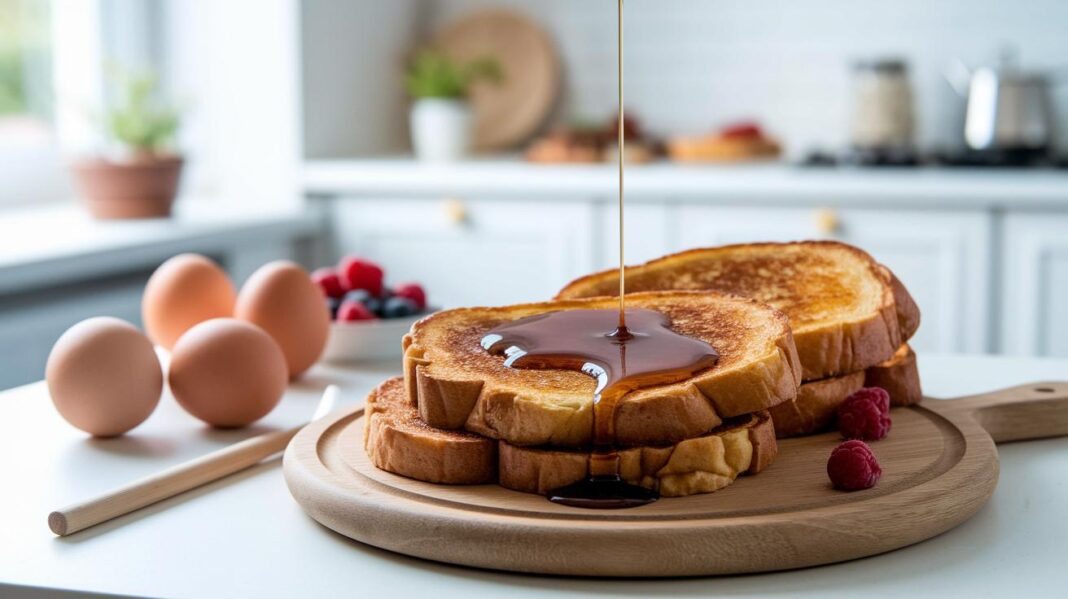

Ever wonder if you can make French toast that's both simple and a little different? This easy oven-baked recipe gives you a warm, custardy treat that fills your kitchen with spicy, cozy aromas. The trick is to soak thick slices of bread in a mix of eggs, milk, cinnamon, vanilla, and sugar overnight. The result is a plate of French toast with crisp edges and a soft, moist center, perfect for hectic mornings or a relaxed brunch. Enjoy turning breakfast into a special treat!
Oven French Toast: Batch-Friendly Baked Custard Brunch Casserole
This recipe is all about a mix of crisp outer edges and a soft, moist center. The magic happens when the bread soaks overnight in a tasty custard, making it easy to slice and dip. Start by buttering a 9×13-inch pan and laying out thick bread slices in one even layer so every piece gets a hit of that delicious custard.
- In a bowl, whisk together eggs, milk, a dash of cinnamon, vanilla, and a little sugar. This is your rich custard base.
- Dip each bread slice in the mixture and arrange them in your prepared pan.
- Pour the remaining custard evenly over the bread. Then cover the pan and place it in the refrigerator overnight. This gives the custard time to seep into every slice, creating a creamy interior.
- When you're ready to bake, preheat your oven to 350°F (175°C) and place the oven rack in the center. Bake until you see a crispy edge and a lightly browned top with a firm but tender custard underneath.
This baked treat is a perfect crowd-pleaser for holiday brunches or sleepovers. It’s easy to prepare and delivers a comforting blend of textures that fans of French toast will love. Have you ever let your custard work its magic overnight? Enjoy every bite!
Bread Choices for Your Oven French Toast Casserole
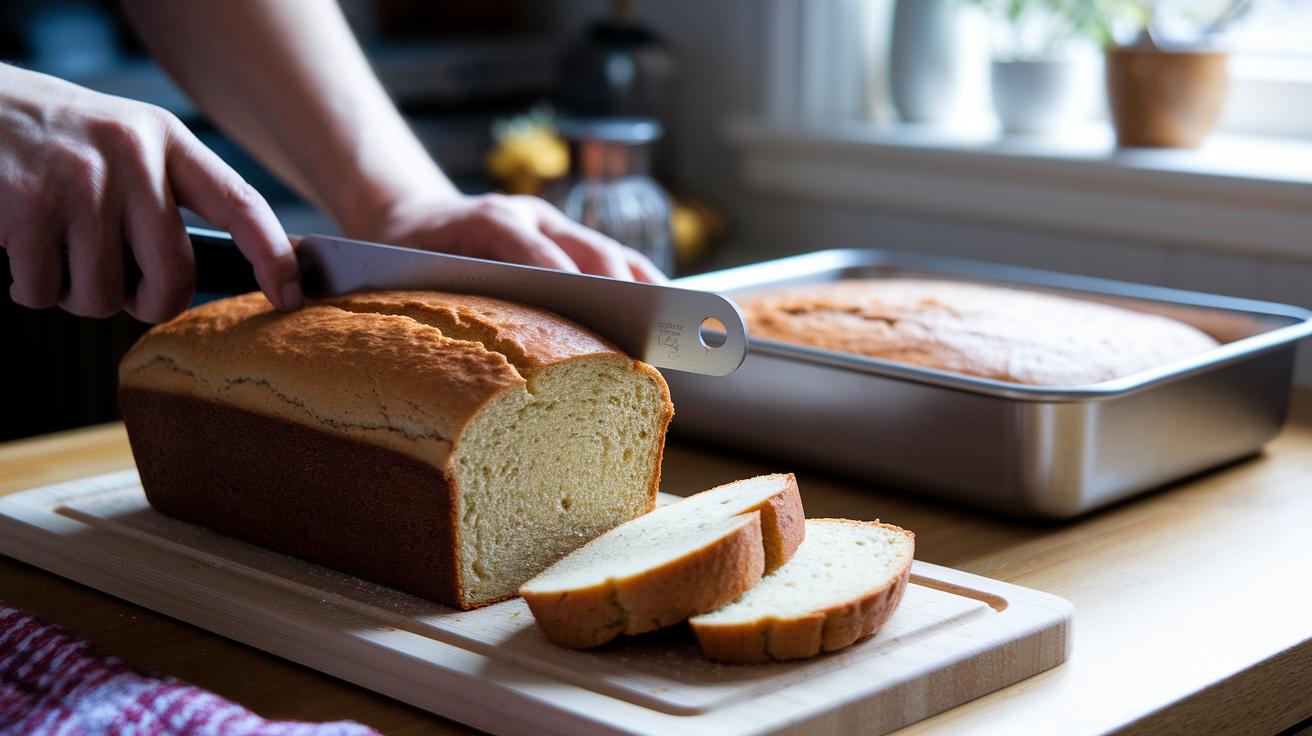
Pick a 13- or 14-inch loaf and cut it into 1-inch slices so 6-8 pieces fit nicely into a 9×13 pan. Slightly stale or extra-stale bread works best because it holds the custard without falling apart. Try using challah, brioche, or even a day-old baguette. Challah gives you a soft bite, while a baguette adds a pleasant crunch.
Other breads, like cinnamon swirl or sourdough, add special flavors that blend well with the warm, eggy custard. Even gluten-free options shine when extra stale, soaking up the egg mixture just right.
Think about the bread's feel and moisture. For instance, thick slices of brioche let you enjoy a rich, buttery taste along with a satisfying, egg-dipped texture.
Using the right bread helps you achieve a perfect combo: crispy edges and a creamy center. This balance makes the casserole a great choice for any brunch.
Step-by-Step Simple Custard Recipe for Oven French Toast
Start by making the custard. In a large bowl, whisk together these ingredients:
- 6 eggs
- 2 cups milk
- 1/3 cup brown sugar
- 1/4 cup melted butter
- 1 teaspoon cinnamon
- 1 teaspoon vanilla
Next, prepare your bread. Use a 13- to 14-inch loaf and cut it into 1-inch slices. Choose 6–8 slices that fit snugly in a greased 9×13-inch baking dish.
- Lay the bread slices in a single layer in the dish.
- Slowly pour the custard over the bread so that every slice gets well soaked. Picture that perfect balance between a crispy edge and a soft, custardy center.
- Choose your soaking method:
- For extra flavor, cover the dish and refrigerate for 8–12 hours.
- If you’re short on time, let the dish sit at room temperature for 30 minutes.
- Preheat your oven to 350°F. Place the dish in the center of the oven and bake for 35–40 minutes until the custard center reaches 160°F and the top turns golden brown.
Overnight Custard Casserole vs. Quick Breakfast Bake for Oven French Toast
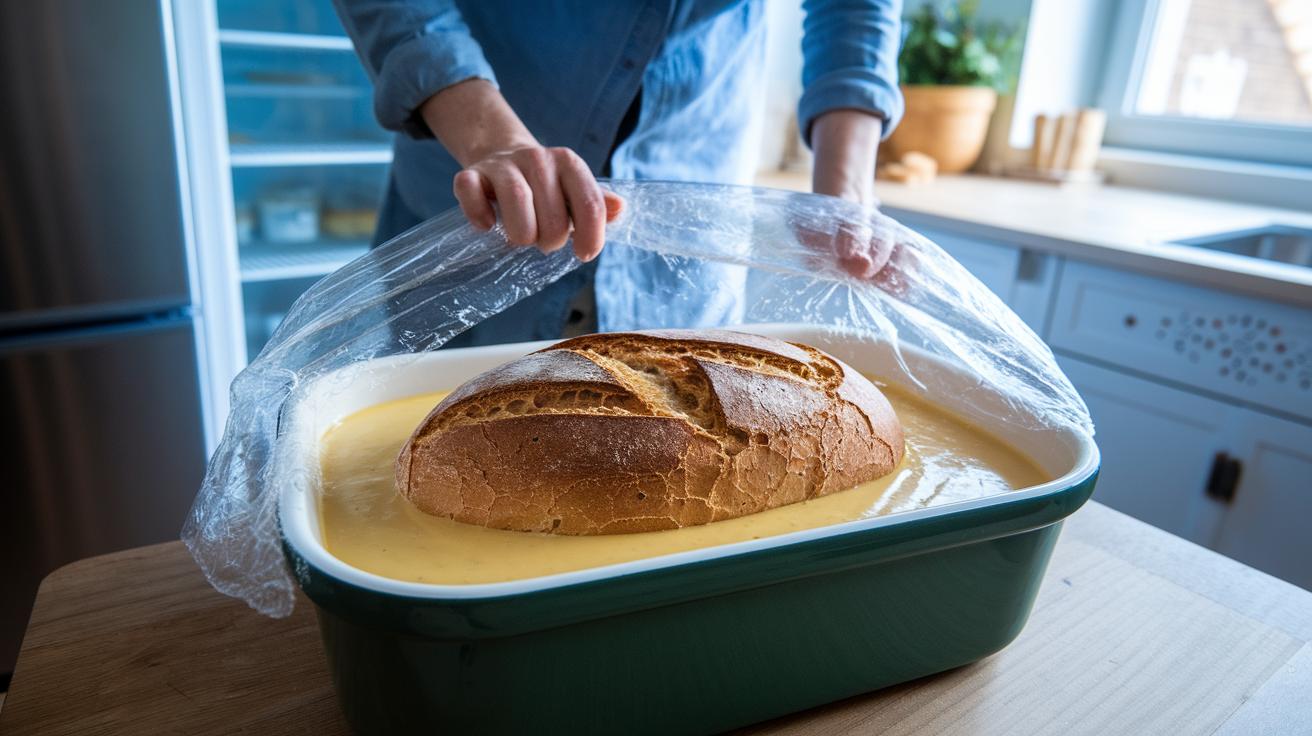
When you let the bread soak for 8-12 hours in the fridge, the custard seeps in deeply for a burst of flavor. A quick 30-minute soak at room temperature still softens the bread and gives it a nice, golden top.
If you want a richer flavor, cover your pan and chill it overnight so every slice gets packed with custard goodness. On busy mornings, a 30-minute soak works fine too, leaving you with a tender bite and a slight browning on top.
Baking Techniques: Sheet Pan vs. Casserole for Golden Custard Crisp
When you make oven french toast, your pan choice makes a big difference. A 15×10×1 sheet pan gives you wonderfully crispy edges that lots of people love. It works great for serving big groups and adds a nice crunch to your egg bread. On the other hand, a 9×13 casserole dish creates soft edges with even custard throughout each slice, giving you that classic creamy feel.
Preheat your oven to 350°F and set your pan in the center rack. This helps the custard set evenly. The top turns a rich, golden color while the center stays soft and moist, perfect for a quick breakfast or a relaxed weekend brunch.
For a fun twist, brush a brown sugar glaze on the top before baking. This boosts caramelization and adds a hint of extra sweetness. Try this step when you want to boost flavor without changing your usual recipe.
Pick the sheet pan if you love a crunchy finish, or go with the casserole dish if you prefer a creamier texture. Either way, baking on the center rack at 350°F helps you get a well-balanced, delicious result.
Storage and Freezing Tips for Your Creamy Custard Casserole
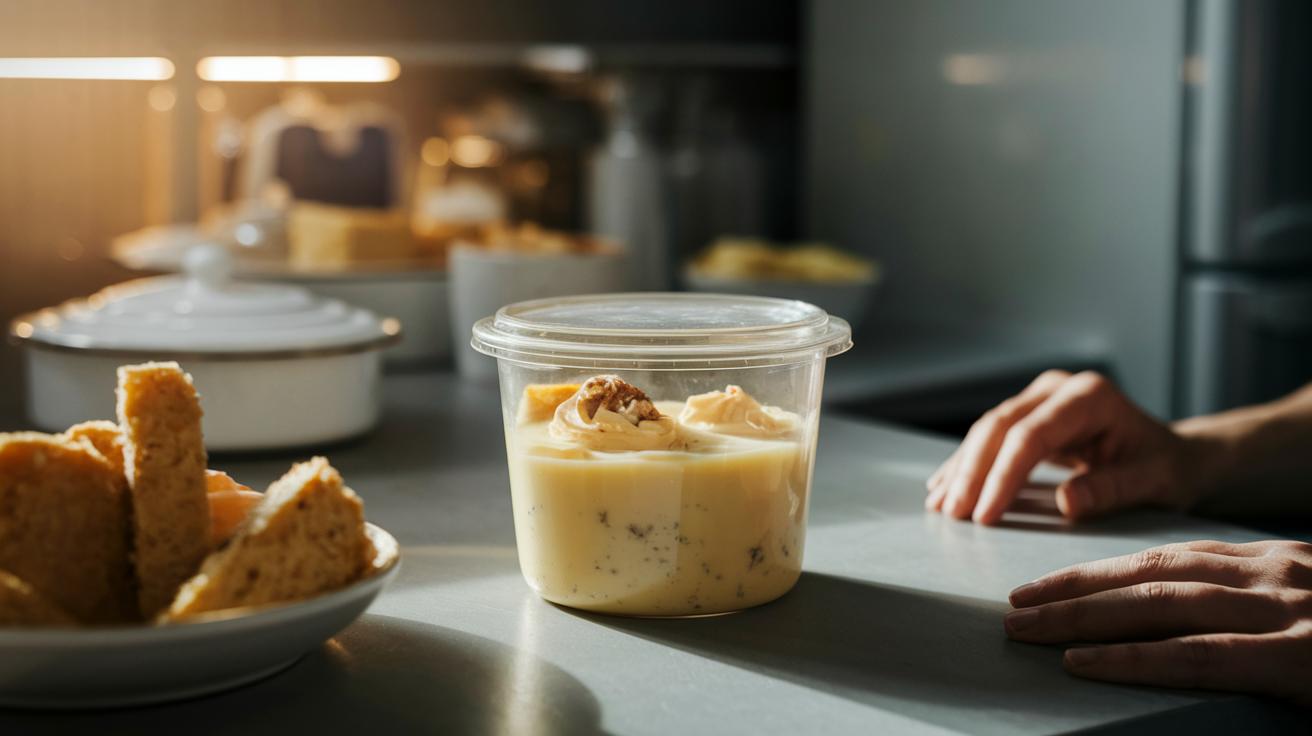
Keep your leftover custard in an airtight container in the refrigerator for 4 to 5 days. This simple step keeps it fresh and tasty so you can enjoy that smooth texture later. When you're ready to reheat, put the custard in an oven-safe dish and warm it at 350°F for about 15 minutes until it's heated all the way through. It’s all about hitting that perfect warm spot where the custard brings back its lovely, golden glow.
For longer storage, freezing works great. If your casserole is still unbaked, wrap it tightly in plastic wrap and then in foil. This double wrap shields it from ice crystals and locks in flavor for up to 3 months. Just remember, when baking from frozen, you’ll need to add an extra 20 minutes to your usual baking time.
You can also freeze the baked casserole once it has cooled completely. It will keep well for up to 2 months, but make sure to let it thaw fully before you reheat it. Thawing helps the custard warm evenly without drying out.
- Store leftovers in an airtight container for 4–5 days.
- Reheat at 350°F for 15 minutes.
- Freeze unbaked casserole for up to 3 months (add 20 minutes to baking time).
- Freeze baked casserole for up to 2 months; thaw completely before reheating.
Flavor Variations: Cinnamon Custard Casserole and Baked Brioche Brunch Ideas
Upgrade your oven french toast with simple twists that add bold flavor to each bite. Try using cinnamon swirl bread instead of regular bread for an extra kick. A little extra 1/2 teaspoon of ground cinnamon makes it even more special.
Brioche is another great choice. Its soft, buttery texture soaks up the custard, forming a light yet indulgent casserole perfect for brunch. A brown sugar glaze can form a caramel-like topping, or you can serve it with fresh fruit compote for a tangy finish.
For an extra aromatic touch, stir grated orange zest or a bit of scraped vanilla bean into your custard. These small additions brighten the dish and create a warm, spiced morning treat.
Here are some ideas:
- Use cinnamon swirl bread or add extra ground cinnamon.
- Choose brioche and finish with a brown sugar glaze.
- Mix in orange zest or a vanilla bean.
- Top with a dusting of powdered sugar or a drizzle of maple syrup.
These simple tweaks let you create a baked egg bread dish that is uniquely yours and perfect for any weekend brunch.
Final Words
In the action, we explored every step of making oven french toast, from choosing quality bread to soaking it in that rich, well-spiced custard. We checked out both quick morning methods and overnight techniques, laid out pan options for a perfect bake, and tossed in ideas for creative flavor twists.
These clear instructions make it easy to whip up a comforting dish that fits busy schedules. Enjoy the process and feel free to add your own flair for a dish that's always a hit.
FAQ
What are some popular oven French toast variations and methods?
The oven French toast method includes easy, best, and style‑driven versions like Pioneer Woman and Barefoot Contessa. It uses custard‑soaked sliced bread, and you can choose an overnight soak or a quicker 30‑minute method.
How do overnight and quick‑soak methods affect oven French toast?
The overnight method lets bread fully absorb custard for a tender interior, while a 30‑minute soak creates a firmer texture that still results in a golden, delicious finish.
What is the benefit of using a sheet pan for baked French toast?
Using a sheet pan creates extra‑crispy edges and feeds large groups, whereas a 9×13‑inch casserole pan yields uniformly custard‑coated, softer slices.
Can I bake French toast in the oven?
Yes, you can bake French toast in the oven by arranging custard‑dipped bread in a greased pan and baking at 350°F for a batch‑friendly, hassle‑free brunch option.
Can a diabetic include French toast in their diet?
A diabetic can enjoy French toast when made with whole‑grain or low‑carb bread and moderated sugar, paired with nutritious toppings like fresh berries for balanced nutrition.
How long should French toast be baked in the oven?
French toast should be baked at 350°F for 35–40 minutes until the custard sets and the top turns golden, ensuring that the center reaches 160°F for proper doneness.
What is a common mistake in making oven French toast?
A common mistake is not soaking the bread long enough, which can lead to dry or under‑custarded slices. Fully saturating the bread helps each piece stay moist and flavorful.
cenforce pink
cenforce pink
tadalafil 5mg tablet
tadalafil 5mg tablet
loperamide heart arrhythmia
loperamide heart arrhythmia
priligy dapoxetine
priligy dapoxetine
sémaglutide prix
sémaglutide prix
wegovy semaglutida para que es
wegovy semaglutida para que es
sildenafil for bph
sildenafil for bph
doxycycline hyclate for cystic acne
doxycycline hyclate for cystic acne
20mg tadalafil reviews
20mg tadalafil reviews
acyclovir common names
acyclovir common names
bupropion elderly patients
bupropion elderly patients
ivermectin dermatology FAQ
ivermectin dermatology FAQ
ivermectin scabies clinical mechanism
ivermectin scabies clinical mechanism
minoxidil duration evidence
minoxidil duration evidence
vardenafil vs sildenafil side effects
vardenafil vs sildenafil side effects
amoxicillin medical background
amoxicillin medical background
bronchitis mucus
bronchitis mucus
otitis media treatment
otitis media treatment
Food and Drug Absorption
Food and Drug Absorption
sildenafil tadalafil comparison
sildenafil tadalafil comparison
Dose‑Dependent Onset Comparison
Dose‑Dependent Onset Comparison
SemaGLP semaglutide brand comparison
SemaGLP semaglutide brand comparison