
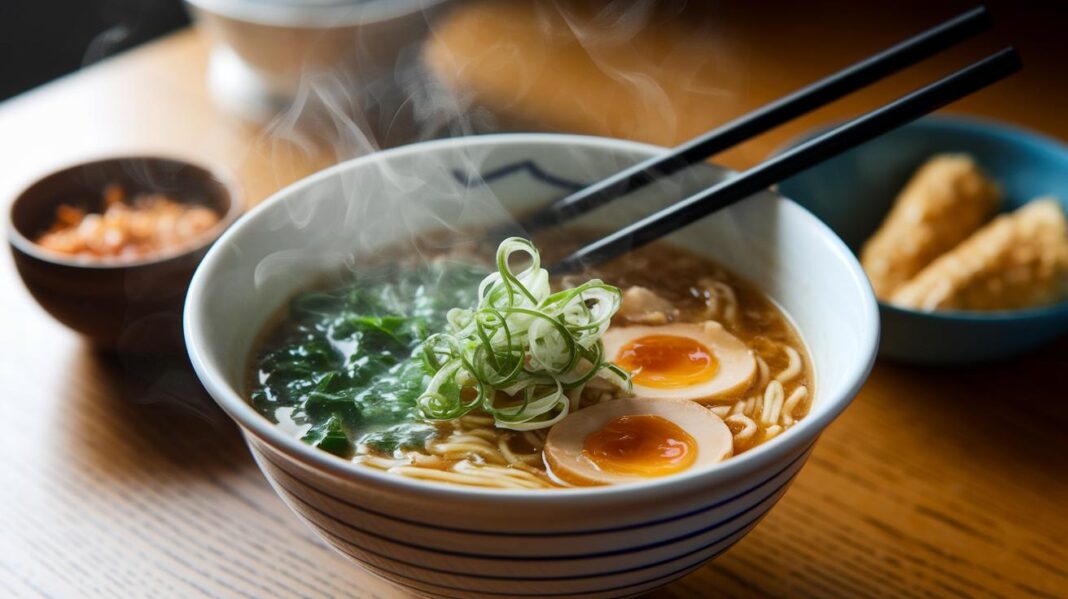

Ever thought about making restaurant-style ramen broth at home? It’s easier than you might believe. In this guide, we show you how to combine a hearty chicken stock with a homemade overnight dashi (a simple seaweed-based broth) to create a rich base that takes your ramen to the next level. We cover every step, from rinsing chicken bones to simmering fresh aromatics. Enjoy a bowl full of bold flavors made right in your own kitchen.
Step-by-Step Ramen Broth Guide
This guide shows you how to make a deep, tasty broth that forms a wonderful base for your ramen. We blend rich chicken stock with a homemade overnight dashi for a broth packed with flavor.
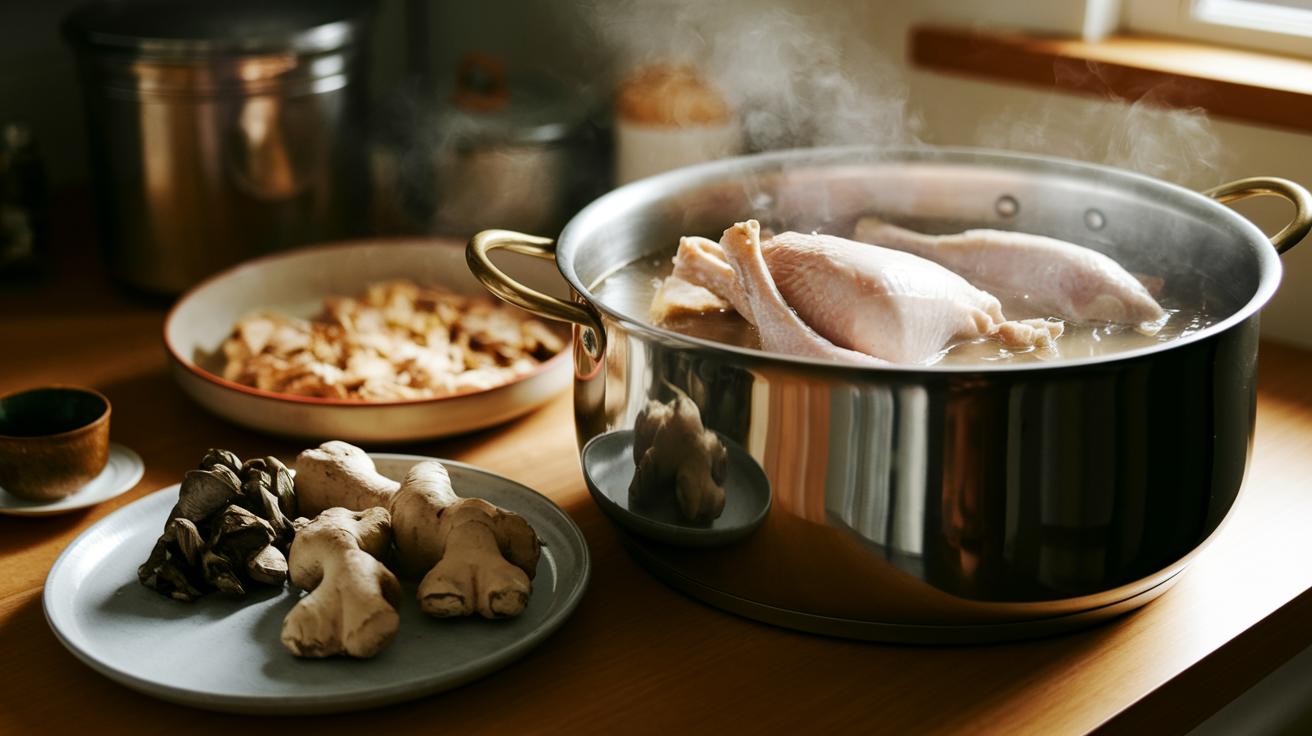
- Rinse 2 lb chicken carcasses really well (make sure to remove any organs or blood) and put them in a large pot with 12 cups water.
- Pour in your overnight dashi, which you made by soaking 0.35 oz (10 g) kelp along with bonito flakes and dried shiitake mushrooms.
- Add aromatics: toss in a 2-inch piece of sliced ginger, 4 crushed garlic cloves, a few scallions, a sliced onion, and ½ cup sake.
- Bring everything to a gentle simmer over medium-low heat. This slow simmer helps bring out the flavors clearly.
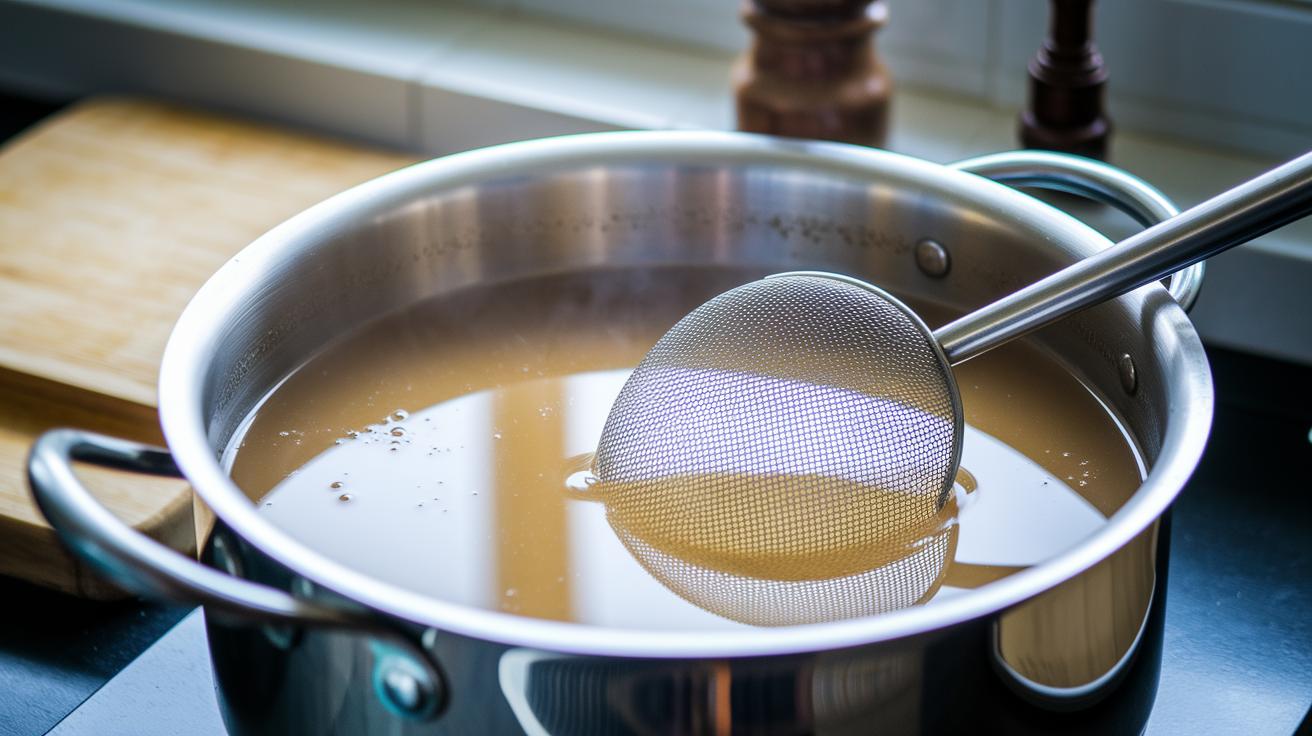
- Skim off any foam or scum with a fine-mesh skimmer. This keeps your broth nice and clear.
- Pick your method: simmer on low heat for 7–8 hours for a deep flavor, or simmer for 2–3 hours, skimming off impurities as you go.
- Strain the broth to remove all bones and aromatics. Then, mix the chicken stock and dashi together to boost that umami taste.
- Taste the broth and adjust the seasoning if needed. Warm it gently before serving.
Enjoy your homemade broth as the perfect base for a comforting bowl of ramen!
Essential Ingredients for Ramen Broth
| Ingredient | Amount | Purpose |
|---|---|---|
| Chicken carcasses (or pork marrow bones) | 2 lb with 12 cups water | Builds a rich, layered stock |
| Kombu | 0.35 oz (10 g) | Unleashes natural glutamates when soaked |
| Bonito flakes | 10 g | Boosts umami flavor |
| Dried shiitake mushrooms | 2 (soaked 4–8 hours) | Adds an earthy depth |
| Ginger | 2-inch piece | Infuses a bright, spicy aroma |
| Garlic | 4 cloves | Delivers a savory kick |
| Scallions | 3 | Offers mild sweetness and aroma |
| Onion | 1 (sliced) | Balances the savory base |
| Sake | ½ cup | Deepens the savory notes |
| Mirin | ¼ cup | Adds a touch of gentle sweetness |
| Soy sauce or salt | ¼–½ cup or a pinch | Rounds out the flavor |
For best results, soak the kombu in water for about 10 minutes before heating so it softens and releases its natural taste. Give the dried shiitake mushrooms a good soak for 4 to 8 hours to let their earthy flavor shine. Also, rinse the bones well and trim any excess bits before adding them to your stock. Each step ensures every ingredient brings its best to your ramen broth.
Ramen Broth Variations: Tare and Flavor Profiles
Tare sauce lets you adjust your ramen broth to match your taste. Each type of tare adds its own twist that makes your bowl of ramen even better. You can add 1-2 tablespoons to each bowl or pot of broth, tuning the saltiness and sweetness as you go.
Shio Tare
- Mix 1/4 cup of overnight dashi with 1 teaspoon of salt in a bowl.
- Stir well until the salt dissolves completely in the warm dashi.
- Add 2 tablespoons sake and 1 tablespoon mirin while stirring for about 30 seconds to blend the flavors.
This simple tare lifts the bright flavors of the broth and keeps them light.
Shoyu Tare
- Combine 1/2 cup soy sauce with 1/4 cup dashi in a small saucepan.
- Stir in 2 teaspoons mirin and 1 teaspoon sugar.
- Warm the mixture on low heat until it begins to reduce slightly, stirring constantly so the sugar dissolves without burning.
This tare gives your broth a rich depth with a lovely mix of savory and sweet notes.
Miso Tare
- Place 3 tablespoons miso paste in a bowl.
- Stir in 1/4 cup hot broth using a stick blender until the mixture is smooth and free of lumps.
This tare adds a creamy, umami-rich touch that rounds out your ramen with a smooth finish.
Techniques to Perfect Ramen Broth Depth and Clarity
Skimming and Clarifying
Start with a cold broth and slowly heat it to a gentle simmer, around 180°F. This method draws out collagen from the bones (which gives the broth a rich texture) without making it cloudy. Use a fine-mesh skimmer to remove foam and tiny impurities that appear as it heats. Skim often, especially during the first hour, to keep your broth clear and prevent any bitter flavors. You can also gently stir the liquid to mix in small fat droplets from pork or chicken, which adds a smooth, creamy feel without losing clarity.
Simmering and Reducing
After you remove the foam, lower the heat to keep the broth at a gentle simmer. Avoid boiling, so the flavors and collagen develop slowly. For the first few hours, leave the pot uncovered to let extra moisture evaporate. Later, partially cover the pot if needed to slow the reduction process. Let the broth reduce by about 15-20% over 4 hours to deepen its flavor and boost its umami taste. Just before finishing, stir in your pre-made dashi to keep its delicate flavor intact. Keep a close eye on the temperature and adjust the heat as needed. This steady process of simmering, reducing, and timely additions creates a broth that is both deeply flavorful and beautifully clear.
Storing and Serving Ramen Broth with Perfect Pairings
Cool the broth quickly at room temperature and transfer it into 2-cup freezer bags. Keep refrigerated broth for 2-3 days or freeze it for up to 1 month. When you are ready to use it, warm it slowly on low heat so it stays creamy and rich.
For a complete ramen bowl, serve the warm broth with alkaline noodles. Boil these noodles for 1-2 minutes until they are chewy and hearty. This short cooking time helps the noodles work perfectly with the flavorful broth.
Finish your ramen with fresh garnishes like ajitsuke tamago (seasoned soft-boiled egg), tender slices of chashu, crisp scallions, and nori sheets. These toppings add extra depth, crisp texture, and bright color. Pair your dish with sides such as gyoza or pickles to add a refreshing twist.
These steps turn your broth into a versatile base that works wonderfully with many noodles and toppings, making each bowl both delicious and visually appealing.
Final Words
In the action, this guide shows you how to build a robust ramen broth recipe from scratch. It walks you through prepping bones and aromatics, low and slow simmering, and careful skimming. The article also covers tasty tare variations and practical tips for storage and pairing. Each step is designed to simplify your weeknight meals. Enjoy the process and take pride in a bowl of homemade comfort that fits your busy schedule.
FAQ
How do I make a broth for ramen?
Making a ramen broth involves simmering bones and aromatics, then skimming impurities to create a layered umami flavor. The process blends a chicken or pork base with a delicate dashi for depth.
What is the broth of ramen made of?
The ramen broth is typically made from simmered bones (chicken or pork) combined with dashi prepared from kelp, bonito flakes, or dried shiitake. Aromatics like ginger and garlic boost its savory flavor.
What’s the secret to a good ramen broth?
The secret lies in a steady, low simmer that extracts flavors slowly, continuous skimming for clarity, and blending stocks to build a rich, layered umami profile that forms the perfect broth base.
How does a chicken ramen broth differ from a pork ramen broth?
A chicken ramen broth uses lighter chicken carcasses or wings and delicate seasonings, while a pork broth intensifies flavor with marrow-rich bones and longer simmering for a heartier, richer taste.
How can I easily prepare tonkotsu or miso ramen broth?
For tonkotsu, simmer pork bones for several hours to release collagen, creating a creamy base. For miso, blend miso paste with hot broth to achieve a smooth, umami-packed flavor profile.
Is ramen good for high cholesterol?
Ramen can be enjoyed in moderation. While the broth may be high in fat or sodium, adjusting ingredients or selecting lighter options can make it more suitable for a cholesterol-conscious diet.
What variations exist in ramen types?
Ramen variations like shoyu, shio, and miso differ mostly in their seasoning tare. Each method balances salt, sweetness, and umami, offering diverse flavor profiles that cater to individual taste preferences.
omeprazole and pregnancy
omeprazole and pregnancy
semaglutid tabletten amazon
semaglutid tabletten amazon
can i take 20 mg of sildenafil
can i take 20 mg of sildenafil
terbinafine mechanism summary
terbinafine mechanism summary
ivermectin demodex mechanism
ivermectin demodex mechanism
avanafil food interaction notes
avanafil food interaction notes
vardenafil food interaction reference
vardenafil food interaction reference
cGMP pathway enhancement
cGMP pathway enhancement
orlistat with food
orlistat with food
penicillin allergy vs intolerance
penicillin allergy vs intolerance
Alcohol-Induced Onset Delay
Alcohol-Induced Onset Delay
PK Variability Overview
PK Variability Overview
what is sildenafil used for
what is sildenafil used for