
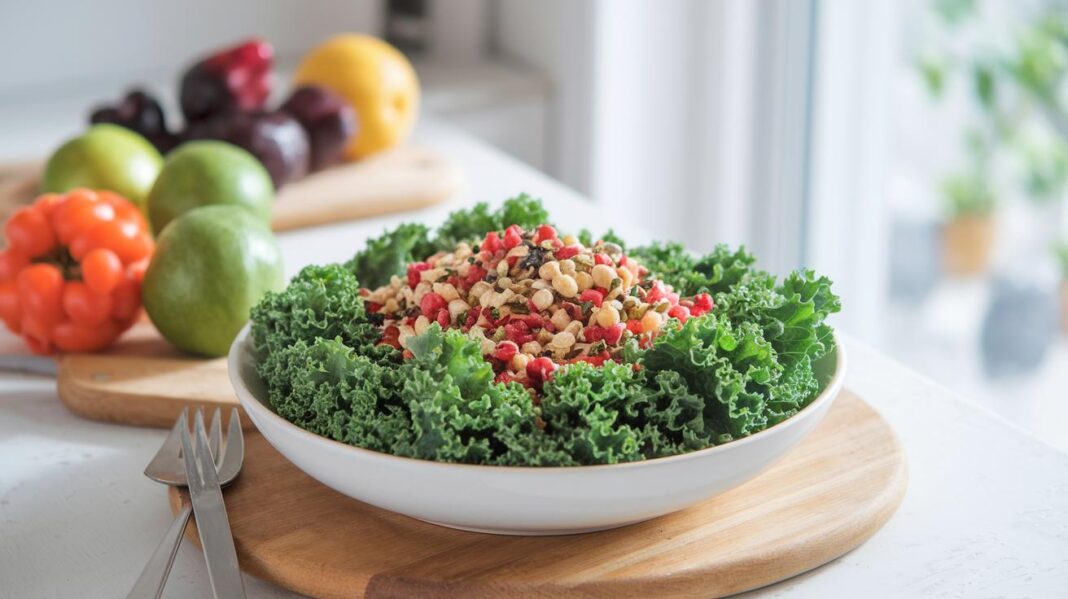

Ever wonder if a simple kale salad could give you a burst of energy? Tuscan kale is loaded with vitamins and minerals that support your whole body. Massaging the leaves with your favorite dressing and apple cider vinegar makes them soft and boosts their flavor. Every bite offers healthy fats, protein, and fiber to keep you feeling great. This salad shows that eating well can boost your day with every crunchy, delicious mouthful.
kale salad nutrition: Energizes Natural Wellbeing
First, massage 2 tbsp of your favorite dressing into raw Tuscan kale for 30 seconds. This simple step helps soften the leaves. Next, mix in 3 tbsp apple cider vinegar to plump dried cranberries, adding a bright, tangy kick to every bite.
A typical serving has about 200 calories. It supplies roughly 8 g of healthy fats from oils, 4 g of protein from the kale and extras like quinoa or feta, and around 3 g of fiber to keep things moving smoothly. Raw kale itself has about 33 calories per cup, along with 2.5 g protein and 1.3 g fiber. One cup also packs over 600% of the daily vitamin K you need, plus plenty of vitamins A and C. This makes kale an ideal nutrient-rich base for your salad.
For a filling boost, toss in a handful of quinoa. It raises the protein and fiber content so the salad can easily become a complete meal without extra calories.
Food science confirms that raw kale is a nutrient powerhouse, meaning every ingredient in this salad works together to support a balanced, healthful diet.
Antioxidants, Vitamins, and Minerals in Kale Salad
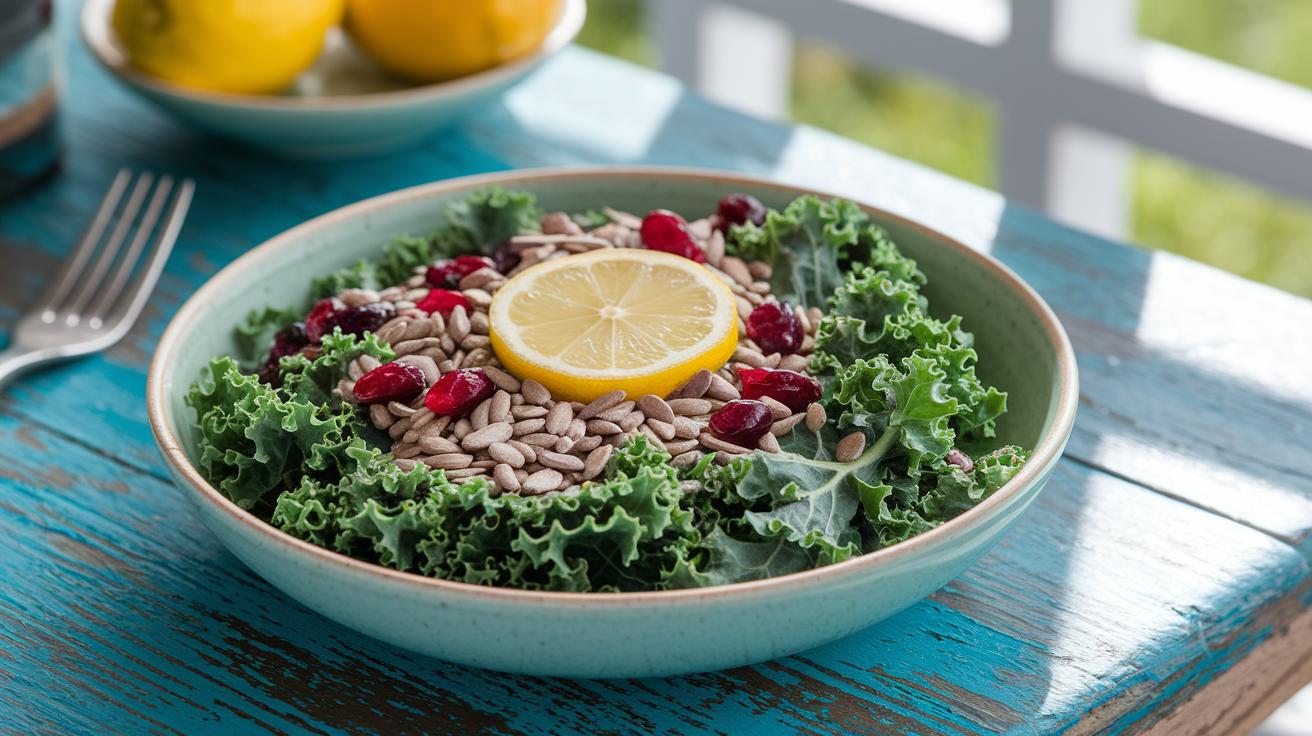
Kale is a real nutritional powerhouse. One cup of raw kale gives you 684% of your daily vitamin K, 206% of vitamin A, and 134% of vitamin C. This high vitamin count helps keep your blood clotting right and your bones strong.
A good trick is to massage the kale with garlic-infused olive oil and a squeeze of lemon juice. This turns the leaves softer and helps lock in those key nutrients. Then, toss in dried cranberries for a burst of sweet-tart flavor and extra antioxidants. Adding sunflower seeds gives you a boost of magnesium and selenium, which support muscle work and overall balance.
Top it off with a simple homemade dressing, try a lemony-pecorino or a Dijon dressing. The cheese in the dressing brings more vitamin E and calcium to the mix. Every ingredient in this salad works in harmony to create a dish that's both full of flavor and packed with nutrients.
Protein and Fiber Content of Kale Salad Nutrition
Raw kale has about 2.5 g of protein and 1.3 g of fiber per cup. When you enjoy a kale salad, you add key nutrients that support your overall health.
Add 1/4 cup of cooked quinoa for roughly 2 g of protein and 1 g of fiber. Toss in 1 tablespoon of sunflower seeds to boost your salad with another 2 g of protein and an extra 1 g of fiber. If you like a creamy twist, mix in 1 ounce of feta cheese to add about 4 g of protein.
Dried cranberries and slivered almonds also boost the fiber. Their sweet, tangy flavor gives every bite a fun texture and extra nutrition.
This mix of kale, quinoa, sunflower seeds, and feta offers a balanced dose of lean protein and fiber. It’s a smart way to whip up a hearty, satisfying salad that’s good for you. Enjoy the vibrant crunch of every ingredient!
Impact of Dressings on Kale Salad Nutrition
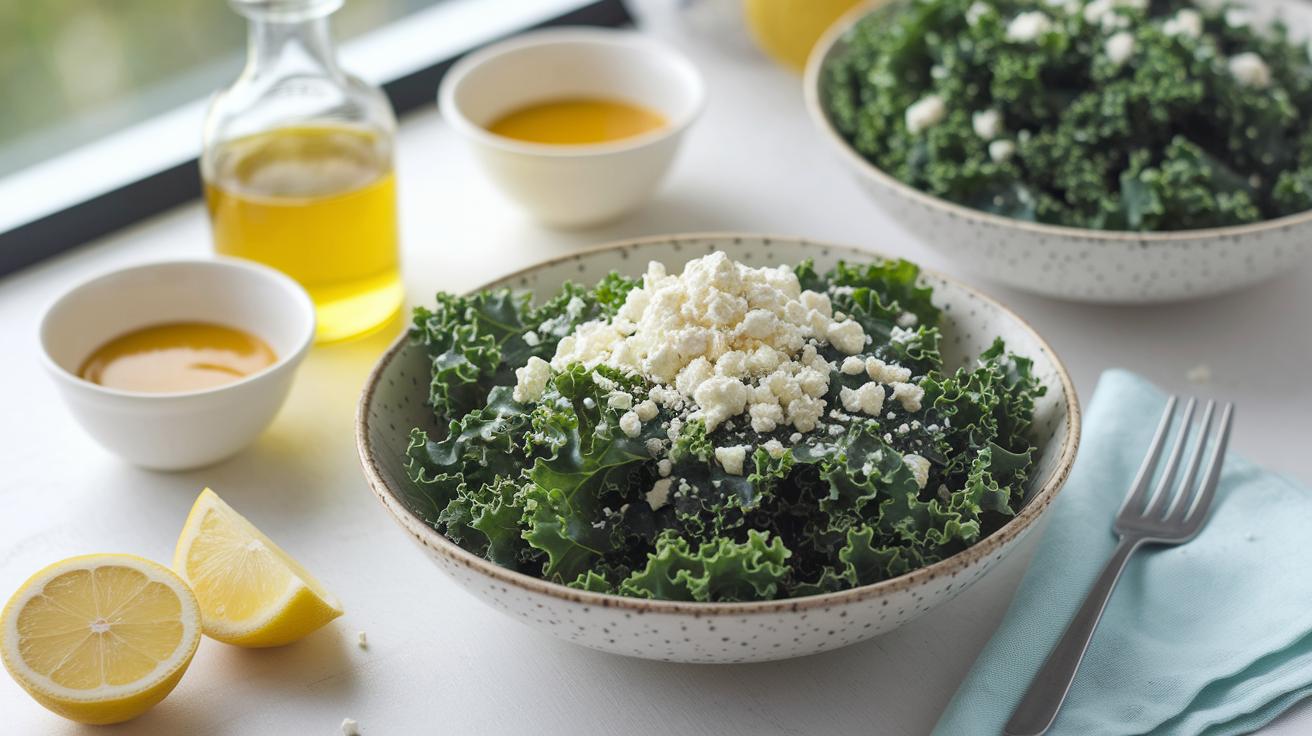
Dressings add both flavor and nutrition to your kale salad. A simple mix of 2 tbsp olive oil (240 cal, 27 g fat), 1 tbsp lemon juice (4 cal), and 2 tsp Dijon mustard (10 cal) brings healthy fats and a rich taste. It shows how a few ingredients can pack a powerful nutrient punch.
Using garlic-infused olive oil that has been sautéed for 30 seconds brightens the flavor while saving its good qualities. A topping of feta cheese brings extra calcium and monounsaturated fats. This thoughtful layering gives you a clear idea of how each component benefits your salad.
You can also change the dressing to adjust the nutrient balance. Try a tahini dressing for a nutty taste that adds plant calcium and healthy fats. Or use a honey-lemon drizzle to mix in natural sugars and vitamin C. Each option shifts the calorie count and fat content, letting you fine-tune the salad to your tastes.
Experiment with these dressings and see which flavor and nutrient mix feel best for you.
Kale Salad Nutrition Variations with Add-Ins
Boost your kale salad with tasty and nutritious add-ins that bring extra protein, fiber, healthy fats, and key vitamins. Try adding ½ cup of cooked quinoa, which offers about 4 g of protein and gives your salad a satisfying, hearty texture.
For an extra protein punch, mix in ½ cup of chickpeas (about 5 g protein). This twist adds a Mediterranean feel to your greens. A generous sprinkle of feta cheese is also a great idea. One ounce of feta adds roughly 4 g protein and 6 g fat, while lending a tangy, creamy flavor.
If you want a bit of crunch, toss in 2 tablespoons of slivered almonds. Each tablespoon provides around 2 g protein and 3 g fat, and they add a delightful nutty crunch to your salad.
Feel free to experiment with other combinations. You might try a roasted beet and kale version, or add apples and chicken, since chicken adds about 6 g protein per ounce. Serving quinoa on the side can help you control portion sizes and keep calories in check.
One winning mix is kale with chickpeas, feta, and cranberries, where the sweet cranberries balance the savory greens. Another option is kale with a handful of roasted beets and sprinkled almonds for an earthy, crunchy twist. Enjoy personalizing your salad with the nutrient boost you need today.
Comparing Kale Salad Nutrition to Other Greens
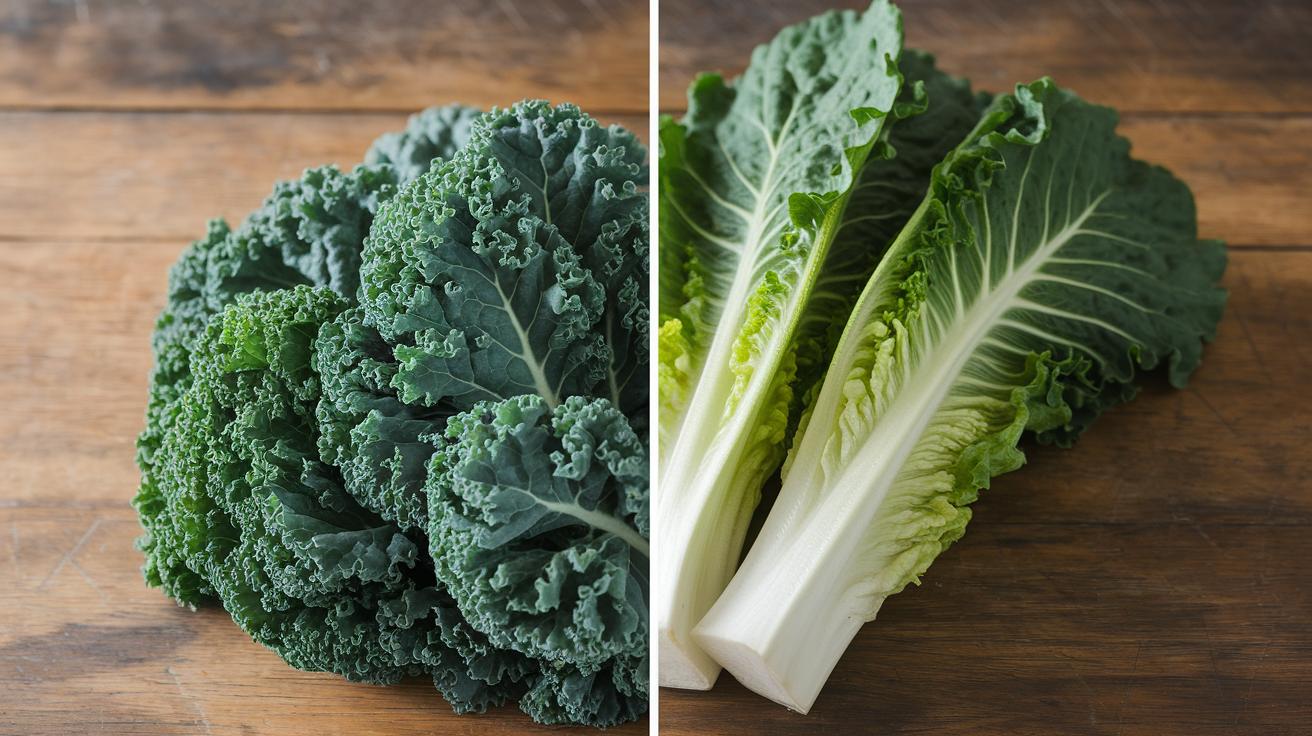
Kale really stands out when you compare it with other leafy greens. One cup of raw kale gives you about 33 calories, 3 grams of fiber, and 684% of your daily vitamin K. In comparison, one cup of romaine lettuce only offers around 8 calories, 1 gram of fiber, and 82% of vitamin K. Plus, kale delivers roughly 134% of your daily vitamin C, while romaine only has about 3%.
A handy tip: massage your kale with a little dressing. This softens the leaves and keeps over 90% of its vitamins intact. Even though the texture changes, you still get nearly all of its nutritional benefits.
Store-bought salad kits, like those from Taylor Farms, average about 80 calories per cup. However, these kits tend to have fewer vitamins and minerals than a homemade kale salad. A salad you make at home might have close to 200 calories per serving, but it offers more fiber and a wider range of nutrients.
Overall, kale is a top choice if you want a low-calorie meal that's packed with nutrients.
Tips for Maximizing Kale Salad Nutrition
Start by massaging 2 tbsp of dressing into your kale for 30 seconds. This simple step softens the fibers so your body can soak up more nutrients, kind of like gently kneading soft dough to release its vitamins. Next, whip up your salad in under 15 minutes. Just before serving, add a little extra dressing to keep all those vitamins and minerals locked in. If you have leftovers, store them in a sealed container for 3–4 days to keep everything fresh.
Final Words
In the action, we broke down the numbers behind a vibrant kale salad that blends raw ingredients with simple dressings. We explored how each component boosts kale salad nutrition, from vitamin-packed greens to protein- and fiber-rich add-ins. Side-by-side comparisons with other leafy choices shed light on why this dish stands out. Tips on quick preparation and thoughtful mixing make it a reliable weeknight dinner. Enjoy the burst of flavors and nutrients while feeling confident that each bite is both tasty and nourishing.
FAQ
What is the nutritional value of kale salad?
The kale salad nutritional value is high in vitamins A, K, and C, with about 200 calories per serving when dressed. It offers fiber and a modest protein boost from kale and common add-ins.
What does kale salad dressing do to the flavor and nutrition?
The kale salad dressing enhances taste by softening the leaves while adding healthy fats and extra minerals. It also helps preserve vitamins and contributes a tangy, balanced flavor.
How healthy is a kale salad?
The kale salad is very healthy because it delivers a mix of antioxidants, vitamins, and fiber. It supports overall nutrition and works well in a balanced diet for boosting wellness.
Is it okay to eat a kale salad every day?
Eating a kale salad every day can be a nutritious choice if it’s part of a varied diet. It provides essential vitamins and fiber, though mixing up greens ensures a wide range of nutrients.
Which is healthier, spinach or kale?
Kale is often seen as healthier than spinach due to its higher levels of vitamins K, A, and C. However, both greens offer valuable nutrients, so including each in your meals is beneficial.
What does eating raw kale do to your body?
Eating raw kale gives your body a boost of fiber, vitamins, and antioxidants. Massaging the leaves can make the texture more pleasant and help improve nutrient absorption.
What are common variations of kale salad?
Common kale salad variations include blends with cranberries, apples, or feta, as well as mixes like strawberry spinach salad. Each variation offers unique flavors and additional nutrient benefits.