
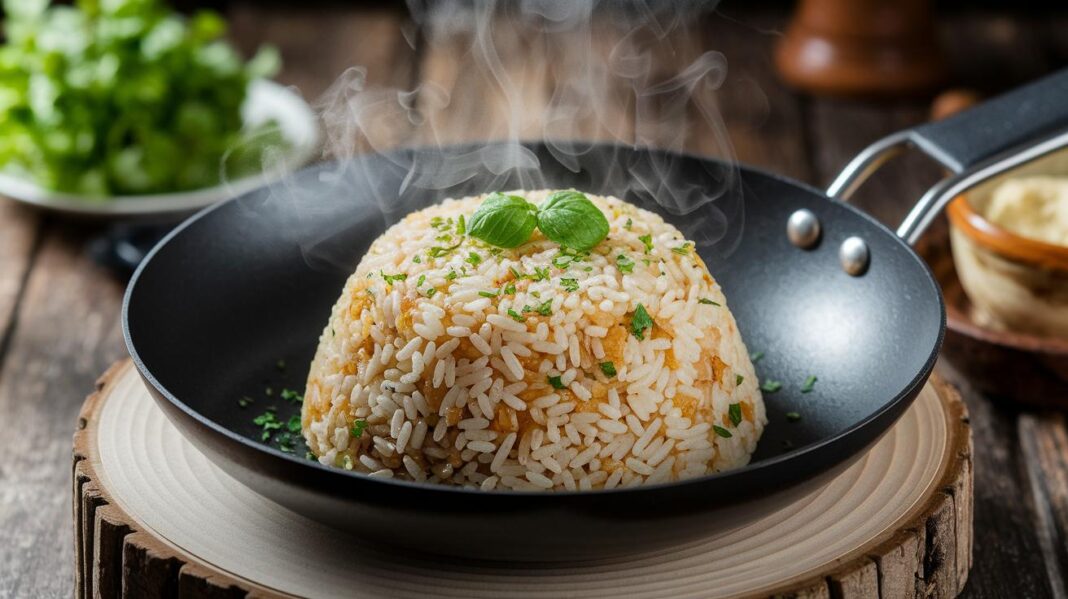

Ever wondered if a simple bowl of rice could pack centuries of flavor? Yangzhou fried rice mixes day-old long-grain rice with marinated shrimp, tender char siu pork (that sweet, savory Chinese pork), and light, fluffy eggs for a dish that feels like a warm hug. This family recipe turns everyday ingredients into a crispy, savory meal that makes a great quick dinner. Every bite offers a taste of history and the comfort of home cooking.
Yangzhou Fried Rice Explained: Origins, Ingredients, and Authentic Taste
Yangzhou fried rice comes from the Yangzhou area in Jiangsu province. It has long been a favorite for quick, 30-minute weekday dinners. This dish is steeped in Chinese culinary tradition and is often passed down through families. It uses basic pantry items to create a meal that feels like home. Imagine cold, day-old rice crisp-fried to a perfect texture, ready for the flavors that follow.
Classic Yangzhou fried rice is celebrated for its balanced mix of ingredients. The rice is combined with small cubes of Chinese BBQ pork (char siu) and marinated shrimp that have been peeled and cleaned. Beaten eggs are folded in to add a soft texture, and freshly chopped scallions offer a bright crunch. Each ingredient is chosen to keep the rice crisp with a fun, bouncy feel. These simple elements come together to create a dish that is both genuine and satisfying.
The taste of Yangzhou fried rice is light and savory. Tender shrimp, sweet char siu pork, and crisp scallions blend with well-seasoned rice to give a harmonious flavor that stays true to its regional roots.
Yangzhou Fried Rice: Savory, Authentic and Irresistible
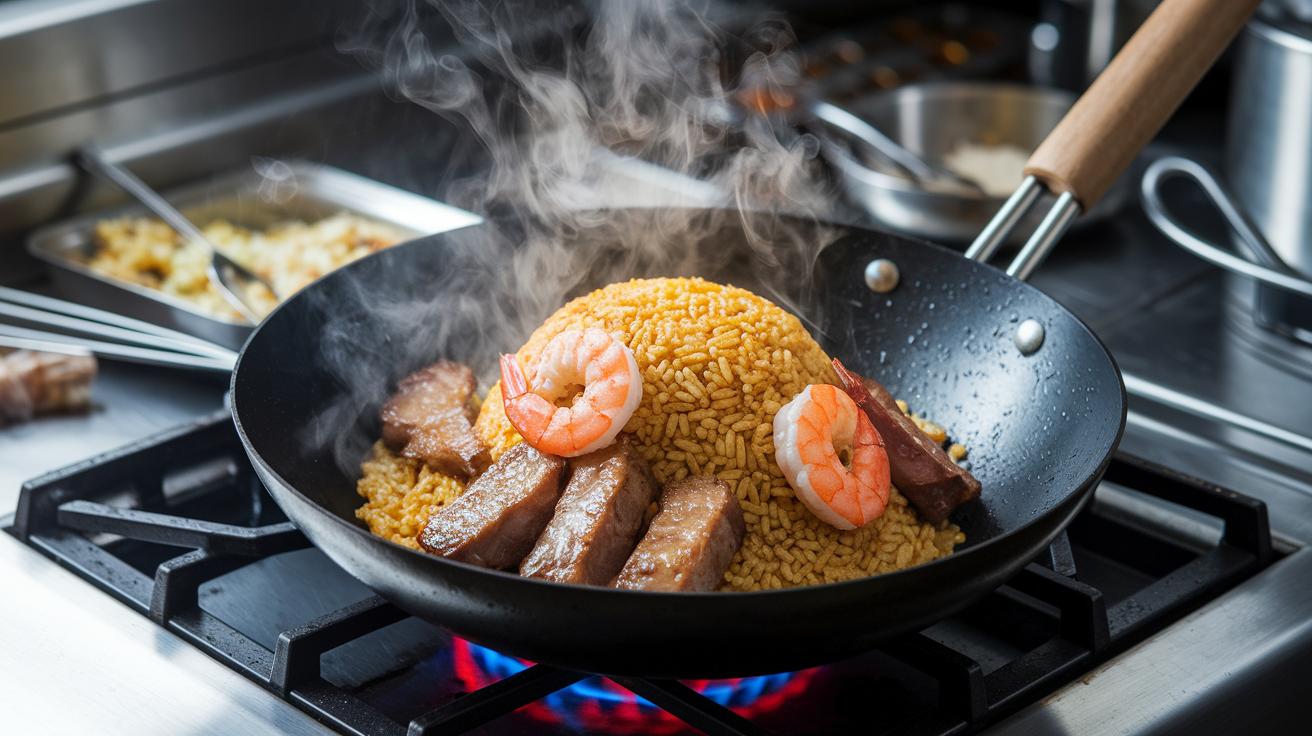
Start with day-old long-grain rice for the best texture. Heat your wok on high (around 400 F) and add a light oil such as vegetable oil. In small batches, add a handful of rice when the oil shimmers. Let it sit for about 1 minute to develop those golden, crispy spots before tossing it in the wok.
For the proteins, use peeled, deveined shrimp and diced char siu pork. Give the shrimp a quick marinate in soy sauce, rice wine, and a pinch of sugar. Stir-fry the shrimp for roughly 2 minutes until they are firm yet tender. Next, toss in the char siu pork and stir-fry until the edges start to caramelize. If you prefer, you can swap in ham or chicken, just cut the stir-fry time by 1 to 2 minutes to keep them from overcooking. For extra crunch and color, feel free to mix in some diced bell peppers or edamame.
In a separate nonstick pan, cook beaten eggs over medium heat (around 350 F) until they form soft curds. Stir in chopped green onions right before finishing. Finally, add a splash of light soy sauce, a dash of sesame oil, and a small amount of minced garlic or grated ginger. Adding garlic when the oil is hot helps release its flavor without burning it. Enjoy your delicious fried rice!
Traditional Wok Techniques and Stir-Frying Tips for Yangzhou Fried Rice
A hot, well-seasoned wok is essential for real Yangzhou fried rice. This guide offers quick tips to back up your own recipe without repeating every step.
Try these five tips for perfect results:
- Heat your wok over medium-high heat. Add about 0.5 tablespoon of a neutral oil and wait until you see the oil ripple. That means the pan is ready.
- Stir-fry diced pork and shrimp separately. Cook each for about 30 seconds until the shrimp turn opaque. This helps the meat stay tender and full of flavor.
- Clear a space in the wok and pour in beaten eggs. Allow them to set for a moment before stirring gently to create soft curds.
- Add cold, loosened rice right after the eggs. Stir continuously so the rice fries instead of steaming, keeping each grain firm.
- Toss all ingredients quickly to blend the flavors while preserving the textures. Quick stirring is key to a balanced mix that honors classic Chinese stir-fry methods.
Step-by-Step Preparation of Yangzhou Fried Rice
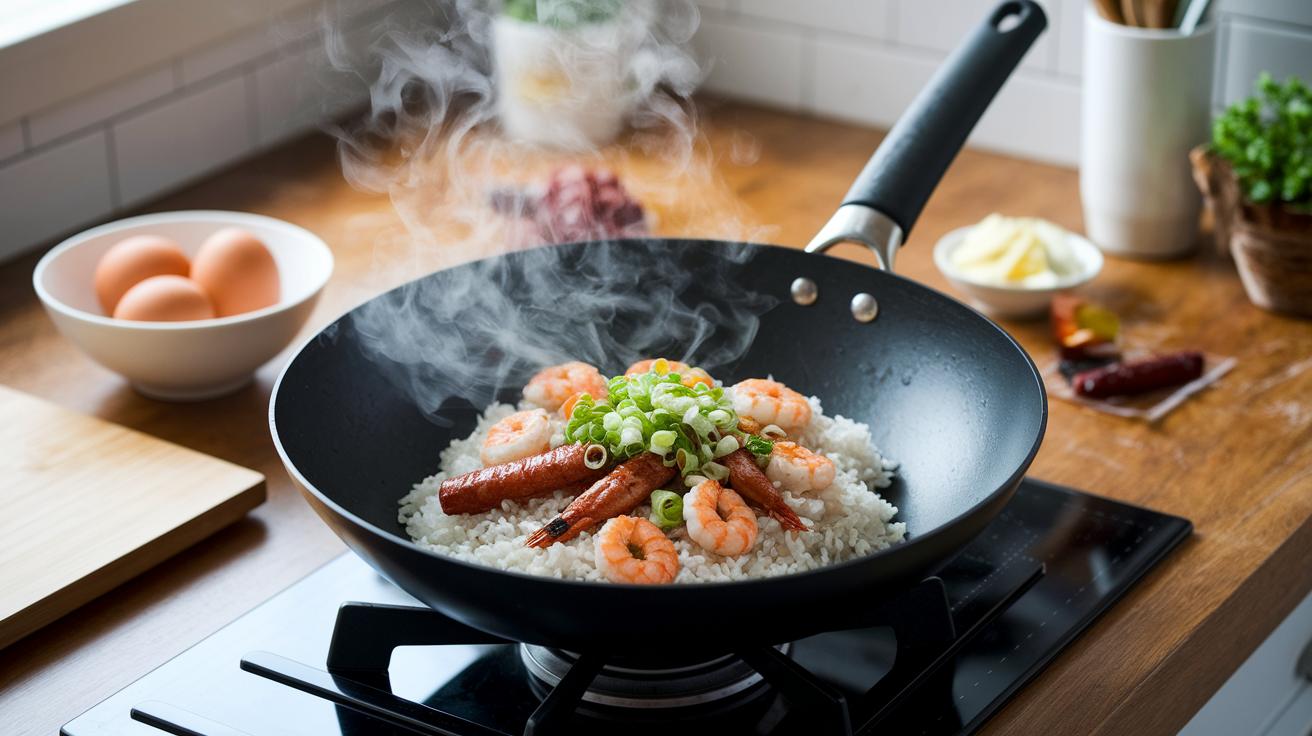
Follow these simple steps to make delicious Yangzhou fried rice with perfectly balanced flavors.
- Use day-old rice that has chilled overnight. Gently separate the grains with your fingers.
- Dice 1 cup of char siu (or your favorite substitute). Peel and devein 5 to 6 shrimp, beat 2 eggs, and cut 3 scallions into 1-inch pieces.
- Heat your wok or nonstick skillet on medium-high and add ½ tablespoon of a neutral oil. When the oil shimmers, stir-fry the pork and shrimp for about 30 seconds until the shrimp turn white, then set them aside.
- Clear one side of the pan and pour in the beaten eggs. Stir gently until the eggs begin to form soft curds.
- Add 3 cups of the cold, loosened rice along with 1 tablespoon of light soy sauce. Toss quickly so that the rice fries instead of steaming.
- Return the pork, shrimp, and the chopped scallions to the pan. Toss everything together for about 1 minute.
- Taste your rice and add salt if needed, then finish with a few drops of sesame oil for extra aroma.
Serve the fried rice straight from the pan to enjoy every distinct grain, tender protein, and soft egg curd.
Flavor Variations and Substitutions for Yangzhou Fried Rice
You can swap out char siu for diced roast chicken or leftover beef. This change doesn’t affect the stir-fry time, so your meal stays quick and tasty. It offers a familiar meat flavor with a neat twist on the classic.
For a plant-based version, use firm tofu cubes instead of shrimp. If you need a gluten-free option, try tamari in place of soy sauce. This switch keeps the dish spicy and textured without missing out on protein.
Stir in 1 tsp chili paste to add a little kick. This spicy touch boosts the flavor while keeping the dish true to its traditional savory taste.
If you’re looking to reduce sodium, choose low-sodium soy sauce and skip any extra salt during cooking. This lets the fresh ingredients shine while still honoring Chinese culinary heritage.
For a vegan option, simply leave out the eggs and load up on mixed vegetables like peas, carrots, and corn. This version not only meets dietary needs but also adds a burst of color and natural sweetness.
Yangzhou Fried Rice: Savory, Authentic and Irresistible
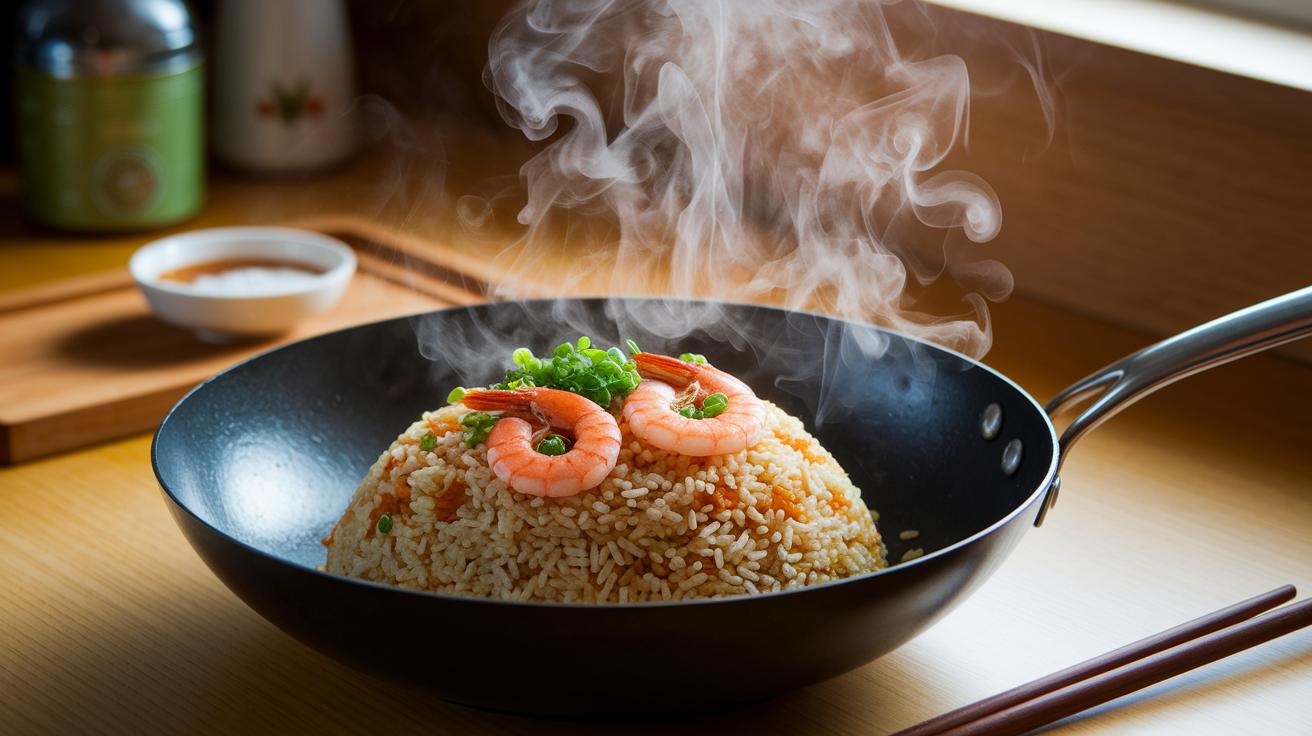
Serve this dish straight from your wok and top it with fresh scallions or cilantro for extra color and a burst of flavor. If you have leftovers, let the rice cool completely and then place it in an airtight container. Store it in the refrigerator for up to 3 days or freeze smaller portions for up to 1 month. When you're ready to eat again, heat the rice in a hot pan over medium heat with ½ teaspoon of oil. This method keeps the rice crispy while preserving the shrimp’s texture, unlike the microwave, which can make them soft.
One 1½‐cup serving of Yangzhou fried rice gives you about 450 kcal, 18 g protein, 8 g fat, and 65 g carbohydrates. This balanced mix of nutrients makes it a great choice for a family dinner, a casual takeout option, or a smart meal prep strategy. Enjoy a dish that blends traditional taste with a modern spin on healthy eating.
Final Words
In the action, we explored the rich history and colorful flavors of yangzhou fried rice. We broke down every step, from crisp day-old rice to the savory mix of shrimp, pork, and scallions, so you can enjoy an authentic, satisfying meal. Clear cooking tips and creative variations make it easier to whip up a dish great for busy weeknights. Keep experimenting and have fun turning simple ingredients into a dish that brightens your dinner table.
FAQ
What is the Yangzhou fried rice recipe?
The Yangzhou fried rice recipe calls for day-old long-grain rice stir-fried with diced char siu pork, marinated shrimp, eggs, and green onions, flavored with light soy sauce and a dash of sesame oil.
Where can I find Yangzhou fried rice near me?
Searching restaurant listings or local reviews reveals many Chinese eateries that feature Yangzhou fried rice as a menu staple, celebrated for its balanced flavors and quick preparation.
How is Yangzhou fried rice connected to the Chinese government?
Yangzhou fried rice often appears in discussions about iconic regional dishes. It symbolizes Chinese culinary heritage but is not directly connected to any government program or policy.
What are the key Yangzhou fried rice ingredients?
The dish includes day-old rice, diced char siu pork, marinated shrimp, beaten eggs, green onions, and light soy sauce, with a few drops of sesame oil to enhance its flavor.
What is the origin of Yangzhou fried rice?
Yangzhou fried rice originated in the Yangzhou region of Jiangsu province. It is known as a quick weekday meal that highlights the local culinary style and traditional ingredients.
How is Yangzhou fried rice pronounced?
Yangzhou fried rice is pronounced as “Yang-joe fried rice,” where the “zhou” sounds like “joe,” reflecting the standard pinyin pronunciation.
What is Uncle Roger’s opinion on Yangzhou fried rice?
Uncle Roger, the YouTube personality famous for reviewing fried rice, often humorously emphasizes proper technique and ingredient use, appreciating authentic methods in making Yangzhou fried rice.
Who is Chef Wang in relation to Yangzhou fried rice?
Chef Wang is a well-known culinary expert recognized for his skill in preparing traditional Yangzhou fried rice, promoting the correct stir-frying methods for authentic flavor and texture.
What distinguishes Yangzhou fried rice from regular fried rice?
Yangzhou fried rice stands out with its mix of char siu pork, shrimp, eggs, and crisp, day-old rice. The precise balance and stir-frying technique create a unique taste and texture.
Is Yangzhou fried rice healthy?
Yangzhou fried rice offers a balanced blend of proteins, carbs, and fats. A standard serving is around 450 calories, making it a nutritious option when enjoyed as part of a balanced meal.
Where does Yangzhou fried rice come from?
Yangzhou fried rice comes from the Yangzhou region in Jiangsu province, celebrated for its rich culinary tradition and the emphasis on simple, quality ingredients.
What is Yuan Yang fried rice?
Yuan Yang fried rice refers to a variation that may blend two distinct flavors or styles. It is a creative take often seen in Chinese restaurants, differentiating it from the classic Yangzhou version.