
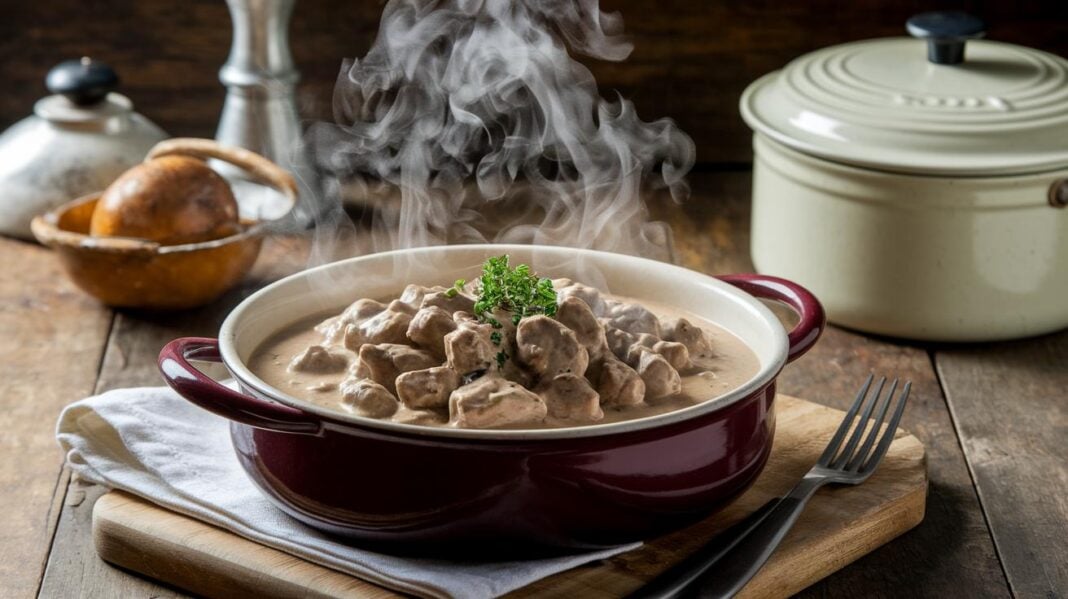

Could a dish of thin beef slices in a tangy, creamy sauce hide a secret from royal kitchens? Beef Stroganoff started in Russia in the late 1800s. It mixed home-style methods with a touch of French flair. Early cooks used quick frying and gentle simmering to turn a basic plate into a classic meal. Here, we explore how a mix of myth and method made this dish a worldwide favorite.
Uncovering the Origin of Beef Stroganoff
Beef Stroganoff was born in Russia in the late 1800s. It started as a mix of simple peasant stew methods and a touch of French sauce style. The dish got its name from the noble Stroganov family, linking it to a time when both home cooks and palace chefs played with new flavors. Early recipes called for thin slices of beef cooked in a tangy, creamy sauce, turning a simple idea into a classic entrée.
Some stories say that a chef whipped up a rich sauce for a fancy aristocratic feast. Picture a busy Russian kitchen where a dish brought together everyday cooking and noble flair. But old recipes give us clear steps, showing that quick sautéing and gentle simmering made the magic happen.
This blend of legend and clear instructions makes Beef Stroganoff stand out. It is a dish where myth meets real cooking, a true culinary icon that still charms food lovers all over the world.
Beef Stroganoff and the Stroganov Family Legacy
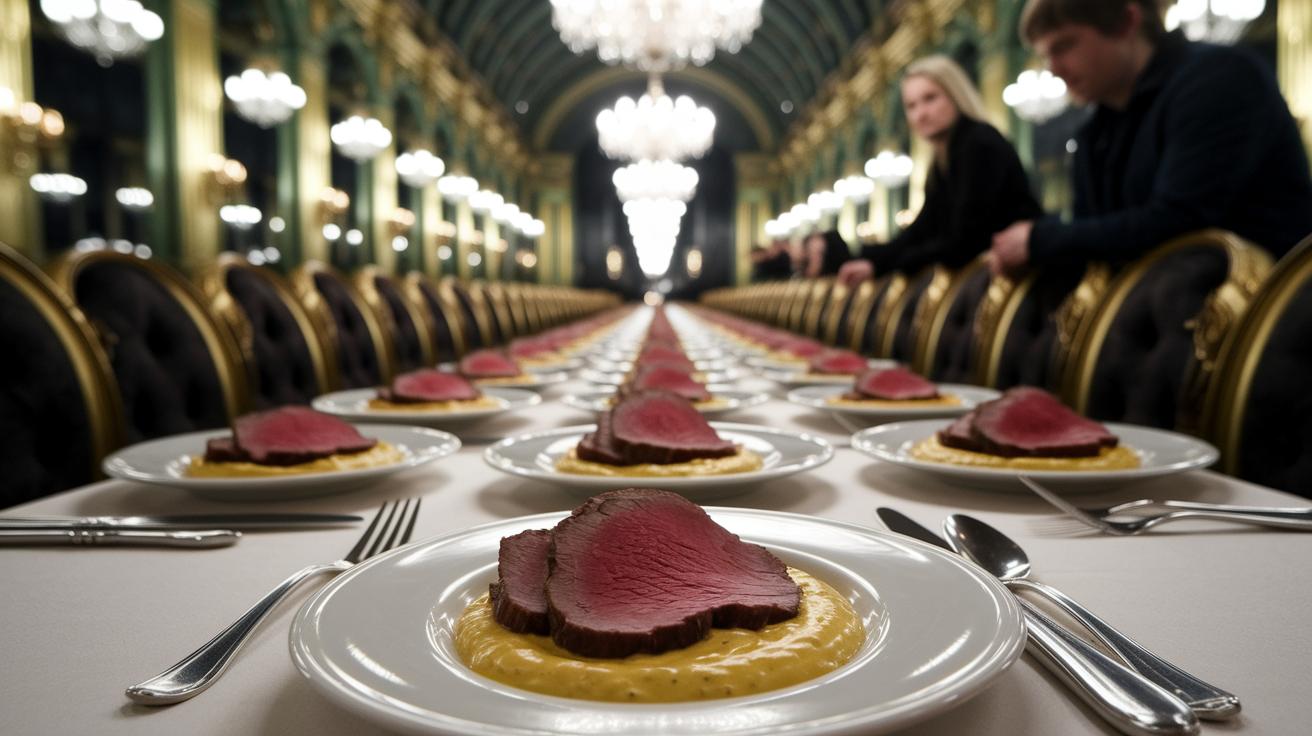
In the mid-1800s, the Stroganov family in St. Petersburg turned dining into a special event. They hosted grand banquets where French chefs introduced creamy sauces with a touch of mustard to elevate simple beef and sour cream into a refined dish. One chef noted that a quick sauté locks in the juices before a gentle simmer in sour cream.
Chefs mastered the art of slicing beef very thin and cooking it just long enough to keep it tender. Imagine a large banquet where every plate showcased perfectly seared beef paired with a tangy, creamy sauce. This careful method set the dish apart at noble feasts.
Today, the Stroganov legacy still echoes in classic Russian cuisine, influencing how beef is enjoyed in Imperial Russian traditions.
The First Beef Stroganoff Recipe: 19th Century Beginnings
This historic recipe first appeared in Elena Molokhovets’s A Gift to Young Housewives between 1861 and 1916. In the original version, thin strips of lean beef are cooked in a light, clear broth. A bit of Dijon mustard and a generous dollop of sour cream bring a tangy and creamy twist that makes the dish special. Interestingly, the recipe skips onions and mushrooms, keeping the ingredients simple and true to its time.
Ingredients in the 19th-Century Recipe
- 1 pound lean beef, sliced into thin strips
- Clear beef broth (enough to cover the beef)
- 1 teaspoon Dijon mustard
- A generous dollop of sour cream
These ingredients let the natural flavor of the beef shine. The mustard adds a little bite and the sour cream makes the sauce smooth. The recipe’s simplicity is what made it so refined back then.
How to Prepare
- Heat a pan over high heat. Sear the beef quickly to lock in its juices for a tender finish.
- Reduce the heat and add enough clear beef broth, Dijon mustard, and sour cream to form a light sauce. Let the beef simmer gently so the flavors blend well without overcooking the meat.
This two-step technique ensures the beef remains soft while the sauce thickens just enough to coat it. Enjoy this slice of culinary history and let each simple ingredient brighten your dish.
Beef Stroganoff’s Journey to International Fame
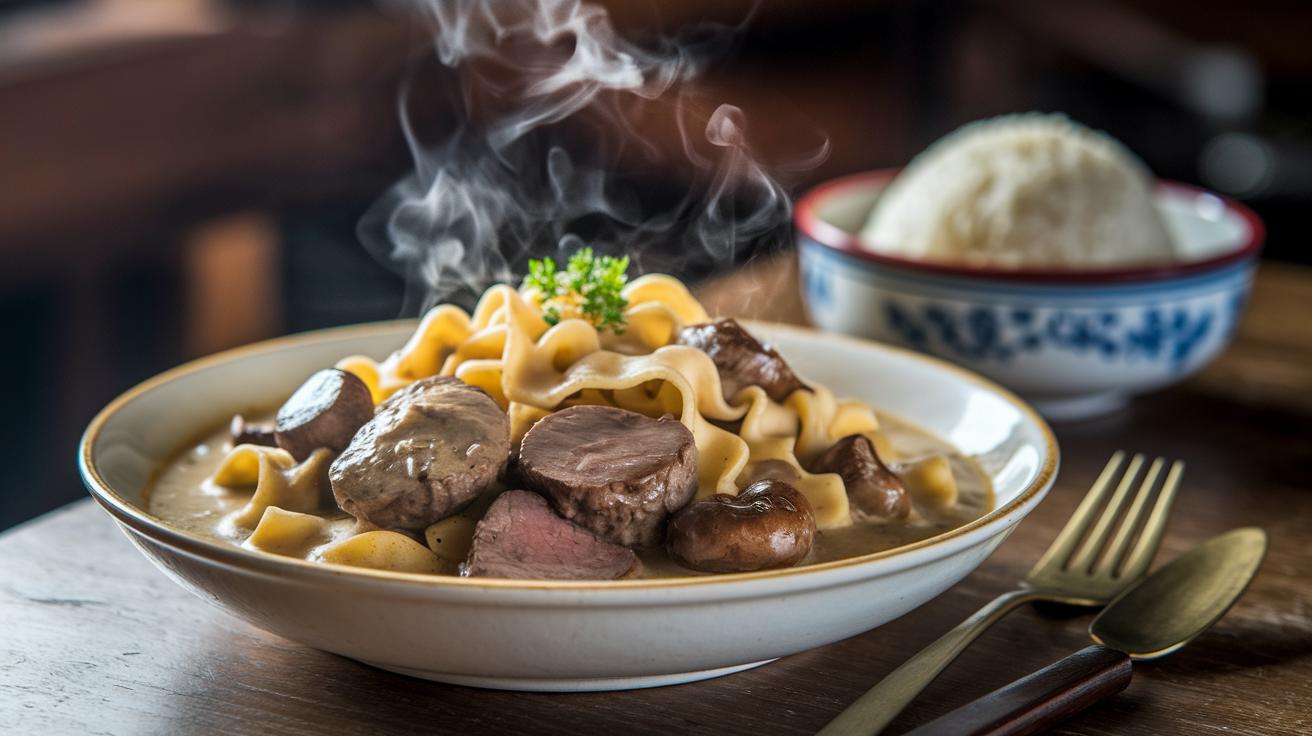
An English version of the recipe first appeared in 1932. This helped beef stroganoff travel beyond its roots. Soon after World War II, American cookbooks began featuring the dish. They paired it with egg noodles and added mushrooms and onions for a heartier meal. This change set the stage for the dish to evolve as it reached kitchens around the world.
In France, chefs added brandy and extra mushrooms, creating a richer sauce that matched their love for bold flavors. Meanwhile, Chinese home cooks served the dish over steamed rice to suit local tastes and textures. Over time, cooks even started using pork, turkey, or plant-based alternatives. Each new twist kept beef stroganoff fresh and inviting.
Beef stroganoff shows how a dish can grow beyond its beginnings. Every variation tells its own story and adds to the dish’s global legacy.
| Country | Adaptation | Typical Accompaniment |
|---|---|---|
| Russia | Original beef, sour cream | Fried potatoes or buckwheat |
| United States | Mushrooms, onions | Egg noodles |
| France | Brandy, mushrooms | Rice or pasta |
| China | Synthetic MSG, lean beef | Steamed rice |
From Imperial Tables to Modern Menus: Variations of Beef Stroganoff
Beef Stroganoff has come a long way. It started as a dish fit for emperors and now fits right into our modern kitchens. The dish still carries Hungarian hints thanks to a dash of paprika, but today's cooks are having fun with it. They often switch out the beef for chicken, pork, or even meat-free options like tofu or tempeh. A splash of soy sauce adds a deep, savory flavor much like Worcestershire sauce does. One chef said, "A dash of soy sauce brightens the flavor while preserving its creamy character."
For those watching their health, vegan sour cream alternatives bring a fresh twist, and new spices lend a lighter, layered flavor without losing the dish's original charm.
- Chicken Stroganoff gives you a leaner choice.
- Plant-based versions use tofu or tempeh for a similar texture.
- Extra spices and sauces let you explore evolving flavor trends.
Final Words
In the action, we explored the origin of beef stroganoff from its 19th-century beginnings in Russia to its rise as an international favorite. We split the recipe into key components and noted how French-style sauces blended with local traditions.
We also traced the dish’s evolution, from aristocratic origins to modern twists using varied proteins and flavors. The result is a timeless dish that brings history to your dinner table with a bright, inviting flavor.
FAQ
What is the original beef stroganoff recipe?
The original beef stroganoff recipe dates back to 19th-century Russia. It typically features lean beef strips seared briefly, then slowly simmered in a sauce of beef broth, Dijon mustard, and sour cream for added creaminess.
Where does beef stroganoff come from?
The origin of beef stroganoff is rooted in Russia. It honors the Stroganov family legacy with a recipe refined over time. While Germany claims some influence, its beginnings lie in Russian aristocratic cuisine.
How does the American version of beef stroganoff differ from the Russian one?
In the United States, beef stroganoff evolved to include mushrooms, onions, and egg noodles, differing from the original Russian version that focuses on lean beef and sour cream. American versions favor added textures and flavors.
What is beef stroganoff traditionally served with?
Beef stroganoff is traditionally served with fried potatoes, buckwheat, egg noodles, or rice, depending on regional variations. The accompaniments help soak up the rich, creamy sauce for a balanced meal.
Why is stroganoff popular in Brazil?
Brazilians have embraced stroganoff as a popular dish, adding local twists. They often prepare it with pork, chicken, or beef and serve it with rice and potato sticks for a hearty family meal.
Which country is most associated with beef stroganoff?
Russia is known as the traditional home of beef stroganoff. The dish has spread worldwide, but its Russian roots and ties to the Stroganov family remain a key part of its identity.