


Have you ever wondered what it tastes like to savor a piece of history with every bite? Caribbean cooking mixes time-honored native methods with flavors brought by early settlers for a vibrant, tropical feel. Home cooks use simple ingredients, bold spices, and a touch of island magic to create dishes that share a rich, family story. In this post, we explore how recipes passed down through generations bring a warm and inviting flavor to every meal.
Caribbean Cuisine Overview: Flavors, History, and Cultural Influences
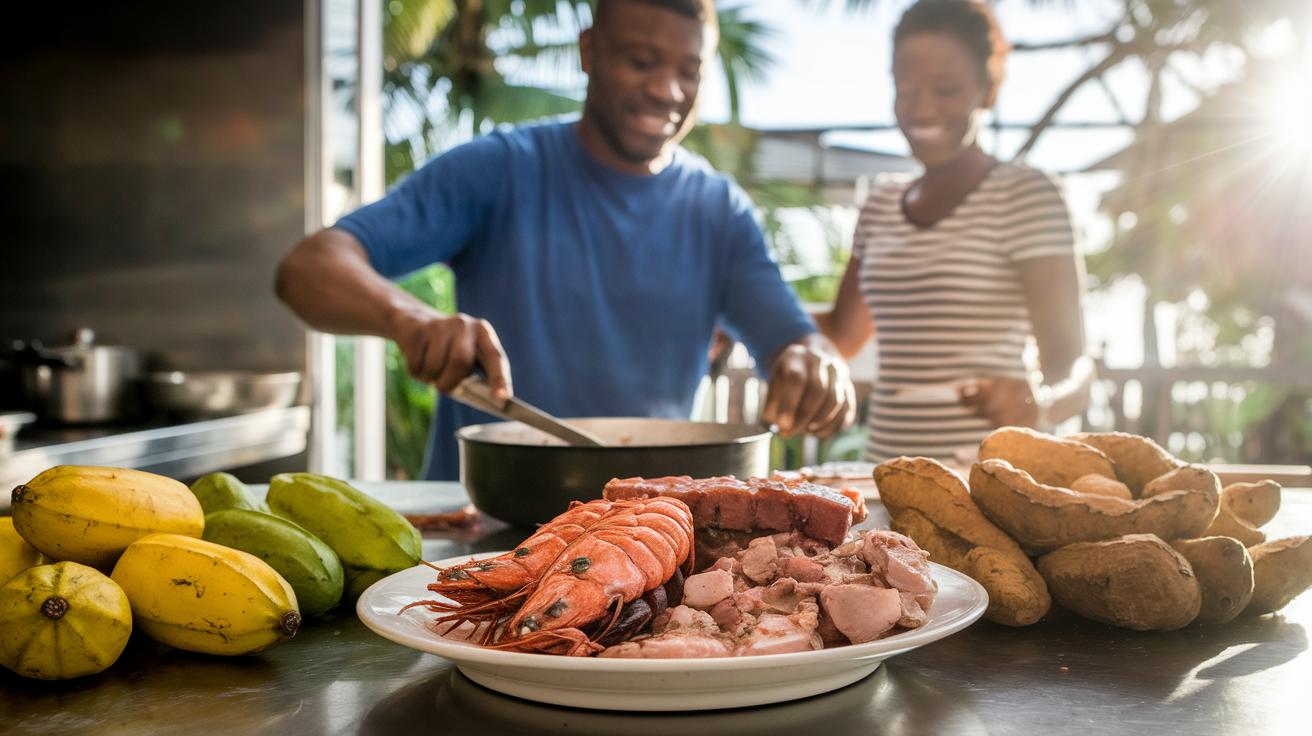
Caribbean food began when native cooking methods mixed with techniques brought by early colonizers. People from Africa, Europe, and India combined their traditions with local practices to create bold, diverse flavors. Over time, home cooks turned simple ingredients into family recipes using time-tested methods. Each dish tells a story of shared history and local spice, celebrating a unique culinary style.
Staple ingredients are the heart of Caribbean kitchens. Fresh fish and pork dishes like lechón asado and pernil often take center stage. Tropical foods such as plantains, breadfruit, and root vegetables add a pleasant texture and natural sweetness. Common spices like scotch bonnet peppers, allspice, thyme, garlic, and ginger bring a gentle heat and rich flavor. Coconut milk is used often to create a smooth, creamy balance in sauces and stews.
Migration and local customs have shaped a flavor profile like no other. As new people settled on the islands, they adapted recipes to fit local ingredients. Steamed pasteles en hoja and fried cracked conch show how old techniques blend with fresh ideas from travelers and settlers. Family recipes hold on to this legacy while inviting creative twists. The result is a warm, vibrant cuisine that welcomes every taste.
Regional Specialties in Caribbean Cuisine: Island Culinary Traditions

Caribbean islands serve up a rainbow of dishes that mix rich cultures with local ingredients. Every area adds its own twist to classic meals, creating flavors that are both bold and inviting.
Jamaica
Jamaica is known for its spicy and savory flavors. Try jerk chicken marinated in scotch bonnet peppers, allspice, and thyme, then grilled for a smoky finish. Brown stew chicken simmers in a hearty, well-seasoned sauce that fills your kitchen with warmth. And ackee and saltfish mixes a unique, scrambled egg-like fruit with salted cod to create a satisfying local treat.
Trinidad & Tobago
Trinidad & Tobago bring a fun street-food vibe to the table. Doubles feature fried bread layered with curried chickpeas and drizzled with tangy tamarind and pepper sauces that wake up your taste buds. Bake & shark is another popular dish, with crispy fried shark sandwiched in fried flatbread and topped with fresh vegetables and a zesty sauce.
Puerto Rico
Puerto Rico shines with its homemade snacks and festive meals. Pasteles en hoja, much like tamales, use a dough made from corn or mashed plantains filled with savory pork stew before being wrapped in plantain leaves. Alcapurria and bacalaitos, made from mashed green bananas and salted cod, deliver crunchy bites that are full of island flavor.
Grenada & Barbados
Grenada and Barbados are all about hearty, home-style cooking. Grenada’s oil down is a thick, rich stew loaded with salted meats, callaloo, and starchy vegetables simmered in coconut milk. In Barbados, flying fish pairs with cou-cou, a comforting cornmeal dish enriched with okra. Both dishes offer a true taste of the sea along with the warmth of island life.
Key Ingredients and Spice Blends in Caribbean Cuisine

The Caribbean islands use bold herbs and spices to light up every dish. Staples like scotch bonnet peppers, allspice, thyme, garlic, and ginger form the heart of traditional recipes. Fresh items like coconut milk, plantains, breadfruit, and salted cod (used in bacalaitos) add a unique twist that makes each bite special. A simple sprinkle of thyme and garlic can turn an ordinary stew into a tropical treat.
Traditional spice mixes bring these flavors together even more. For example, jerk seasoning mixes the hot kick of scotch bonnet peppers with the rich warmth of allspice and fresh herbs for a layered taste. Tangy lime juice and a little brown sugar brighten up pepper sauces by balancing heat and sweetness. Coconut milk softens the strong spices and gives dishes a smooth, creamy feel. Together, these hot and cool flavors create the signature tastes that make Caribbean cooking so loved around the world.
Essential Caribbean Cooking Techniques and Tips

Caribbean cooks work with natural heat to add a warm, deep flavor to their dishes. They often use wood or charcoal like pimento wood to give jerk chicken and similar foods a smoky, rich taste. Grilled items get a caramelized surface that not only seals in juices but also creates that unforgettable smoky bite.
For popular street eats, frying and pounding are essential. For example, cracked conch is pounded to tenderize the meat, then fried in a spiced batter until it’s crisp and golden. This quick method offers a satisfying crunch and is a favorite in lively street food scenes.
Other classic methods like steaming, roasting, and stewing also shine. Pasteles en hoja are steamed in banana leaves to lock in moisture, while a whole pig (lechón asado) is roasted slowly until the skin crisps up and the meat becomes melt-in-your-mouth tender. Hearty stews made with coconut milk simmer meats and seafood until all the flavors meld into one comforting dish.
Classic Caribbean Recipes: Jerk Chicken and Beyond

Jerk cooking fills your dish with a lively, spicy-sweet taste that wakes up every bite. This method mixes heat with fresh herbs, winning over home cooks and food fans alike. When done right, jerk chicken (or pork, fish, or shrimp) gets a subtle smoky flavor from grilling over pimento wood for a real island vibe.
Ingredients:
- 2 scotch bonnet peppers, seeded and chopped
- 1 teaspoon ground allspice berries
- 2 sprigs fresh thyme
- 4 garlic cloves, minced
- 1 tablespoon grated ginger
- 2 tablespoons soy sauce
- 2 tablespoons brown sugar
- Juice of 1 lime
- 1 teaspoon salt
- 1/2 teaspoon black pepper
- In a bowl, mix all the marinade ingredients until they blend well.
- Rub your chosen protein evenly with the marinade.
- Let the meat sit in the marinade for at least 4 hours (up to 24 hours if you can) so the spices really soak in.
- Preheat your grill to medium-high heat. If you have pimento wood, add it now for a light smoky touch.
- Grill the meat, turning it now and then to get an even char. Keep an eye on it as the sugars in the marinade caramelize to form a slightly crisp edge.
- When the chicken (or your protein of choice) reaches an internal temperature of 165°F (74°C), take it off the grill and let it rest for a few minutes. This helps the juices settle so every bite is tender.
- Serve with grilled vegetables or a fresh salad to balance the spicy kick. Enjoy your island-inspired meal!
Caribbean Seafood Dishes: Tropical Seafood Delights
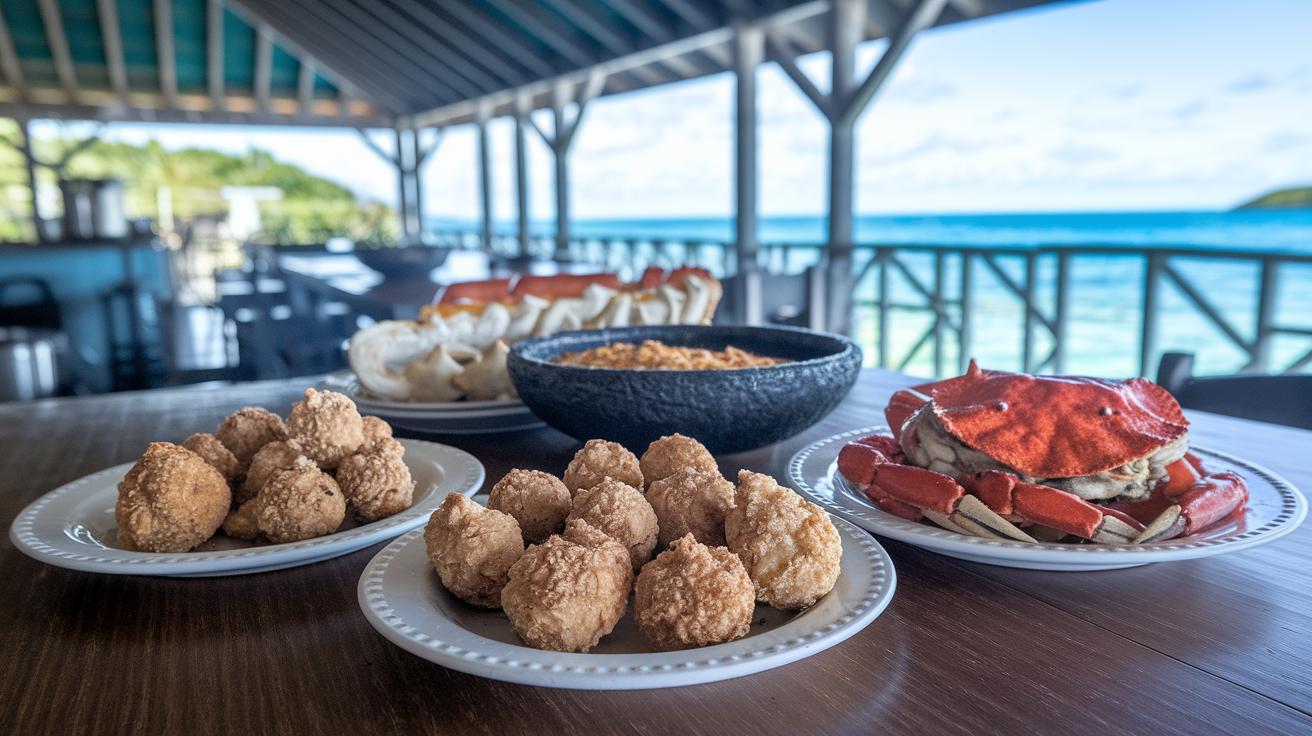
Caribbean seafood dishes pack a punch of bright, tropical flavors. Fresh catches from the ocean are turned into memorable meals by talented island cooks. Seafood isn’t just food here, it’s a way of life.
For example, the Bahamas serve up fried conch where tender meat is dipped in a seasoned, crispy batter. In Costa Rica, rondon simmers fish in creamy coconut milk with chunks of yams and plantains. Guyana’s metemgee is a comforting stew filled with mixed seafood and soft dumplings. And in Dominica and Grenada, crab back mixes fresh crab meat with crunchy breadcrumbs, a squeeze of lime, and aromatic herbs for a refreshing taste.
These dishes show how island kitchens celebrate the ocean. They mix the catch of the day with local spices and ingredients to create meals that are both light and satisfying.
| Dish | Key Ingredients |
|---|---|
| Flying Fish & Cou-Cou | Flying fish, cornmeal, okra |
| Fried Conch | Conch meat, seasoned flour batter |
| Rondon | Fish, coconut milk, yams, plantains |
| Metemgee | Mixed seafood, coconut milk, dumplings |
| Crab Back | Crab meat, breadcrumbs, lime, herbs |
Sweet Finishes: Exotic Fruit Desserts and Rum-Infused Sweets in Caribbean Cuisine

Caribbean islands serve desserts that pack bright tropical flavors. Local favorites like guava duff, mango mousse, and pineapple tarts let the natural sweetness of fruit shine through. These treats work great with cool tropical drinks, such as freshly squeezed juices from Colombia’s Caribbean coast. Picture enjoying a tall glass of passion fruit juice with a chilled slice of coconut ice.
Classic sweets with a hint of rum bring a festive twist to dessert menus. Rum cake, also known as Jamaican black cake, and coconut tarts blend rich, aged rum with gentle spices. A tip from local cooks: stir in a small amount of allspice and a squeeze of citrus to lift the flavors without hiding the rum. These desserts celebrate Caribbean creativity, leaving you with a sweet finish that lingers long after the meal.
Caribbean Cuisine Dining Experiences: Street Eats to Fine Dining
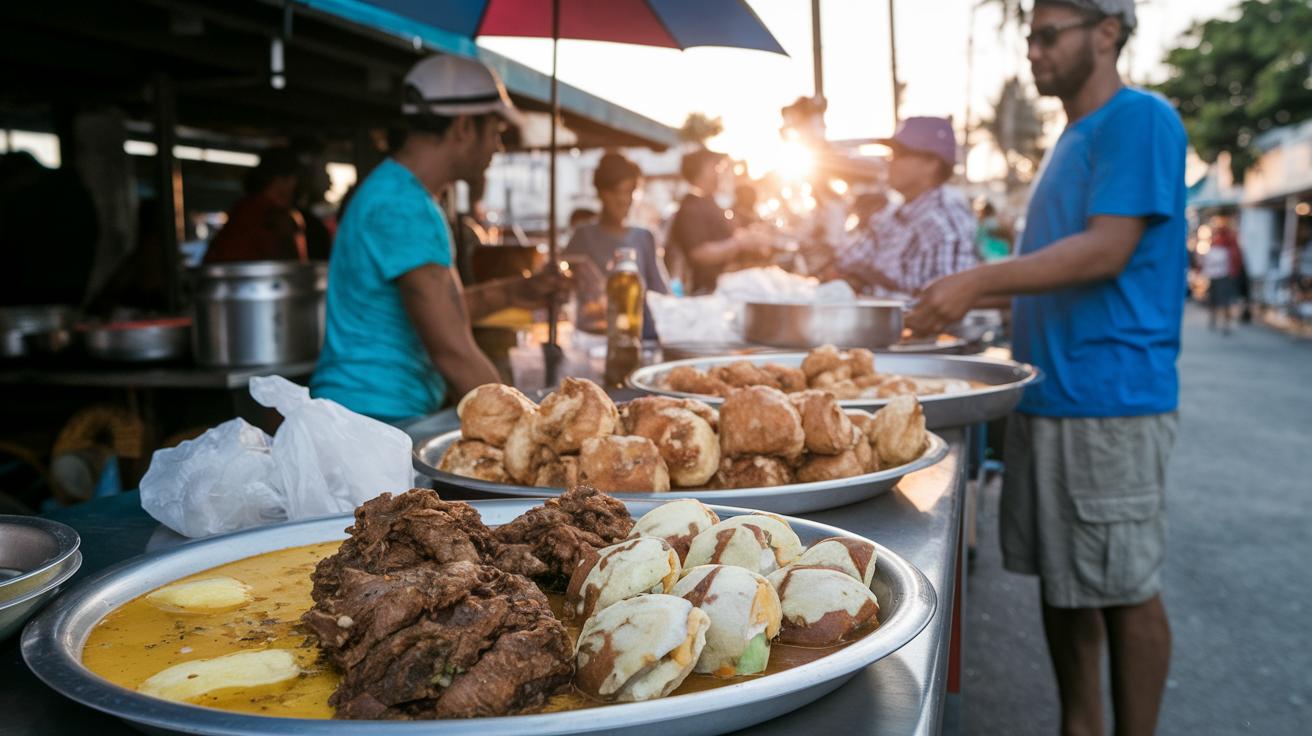
Caribbean street food is a lively celebration of fresh, local flavors found at busy markets and small neighborhood stalls. Picture biting into Trinidad doubles, where soft fried bread hugs spicy curried chickpeas, or enjoying Honduras baleadas stuffed with creamy beans and fresh cheese. In Belize, salbutes, light, puffy tortillas topped with tangy pickled onions, offer a quick, delicious bite. Many small shacks serve dishes like hearty ackee and saltfish or slow-cooked brown stew chicken, giving you a true taste of island life and time-honored cooking that warms you from the inside out.
For a more refined meal, try out a Caribbean restaurant, attend a food festival, or join a hands-on cooking tour. Local spots often reinvent old recipes by mixing bold island spices with modern touches. Annual food festivals let you see chefs bring ingredients from the market straight to your plate, while family recipes are shared with pride. And when you join a guided cooking class, you get to mix tropical ingredients and learn handy kitchen tips. Each of these experiences helps you dive right into the rich, diverse flavors that make Caribbean cuisine so special.
Final Words
In the action of exploring island culinary traditions, this post took us through history, staple ingredients, traditional cooking methods, and sweet endings that define authentic Caribbean cuisine. The guide broke down essential dishes like jerk chicken, seafood specials, and fruit desserts, making even complex techniques accessible. The flavors and techniques shared make it easier to try new recipes and build kitchen confidence. Enjoy the vibrant tastes and simple steps that bring the spirit of Caribbean cuisine into your home.
FAQ
Q: What are some Caribbean cuisine recipes I can try?
A: The Caribbean cuisine recipes to try include jerk chicken, goat curry, ackee and saltfish, callaloo, rice and peas, and roti. These dishes offer a mix of spicy and tropical flavors.
Q: What kind of food is Caribbean cuisine?
A: Caribbean cuisine is a blend of Indigenous, African, European, and Indian influences. It features tropical fruits, fresh seafood, hearty meats, and bold seasonings for a rich flavor profile.
Q: What does a typical Caribbean cuisine menu include?
A: A typical menu includes dishes like jerk chicken, goat curry, ackee and saltfish, callaloo, rice and peas, and roti. These dishes highlight the region’s mix of spices and tropical ingredients.
Q: Where can I find Caribbean cuisine near me?
A: You can find Caribbean cuisine near you in local restaurants, food trucks, and markets. Cities such as Phoenix and Philadelphia often host authentic Caribbean dining options.
Q: Is Jamaican food the same as Caribbean cuisine?
A: Jamaican food is a part of Caribbean cuisine. It shares many common ingredients and spices but also offers unique dishes like jerk chicken and ackee and saltfish that stand out.
Q: Which popular Caribbean dishes should I try?
A: Popular Caribbean dishes include goat curry, ackee and saltfish, jerk chicken, callaloo, rice and peas, and roti. These options represent the rich blend of flavors throughout the region.
Q: What is the history of Caribbean cuisine?
A: Caribbean cuisine history reflects a mix of culinary traditions from Indigenous peoples, Africans, Europeans, and Indians. This blend has created the region’s distinct flavors and cooking methods.