
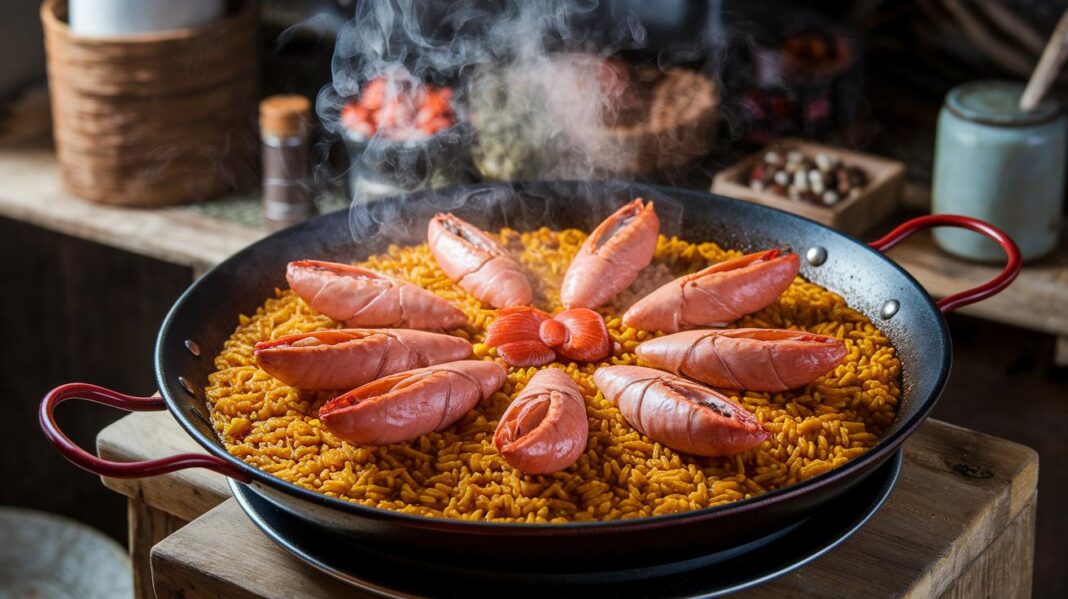

Have you ever tried paella that bursts with true Spanish flavor? Many cooks stick with basic seasonings, missing the magic of real spices. This guide shows you the key ingredients, saffron, smoked paprika, and bay leaf, that turn a simple dish into a festive feast. Each spice adds a layer of warmth, color, and rich taste. Ready to bring an authentic Spanish experience to your kitchen?
Key Paella Spices: Core Ingredients for Authentic Flavor
Authentic paella packs a punch of flavor with a smart mix of spices. Start by heating olive oil in your pan and softening diced onions, sliced bell peppers, and minced garlic. These aromatics create a warm, inviting base.
Next, add a pinch of saffron threads. This spice gives the dish its signature yellow glow and a mild, earthy taste. After that, stir in smoked paprika. Whether you opt for Sweet, Hot, or Bittersweet, it deepens the flavor and pairs nicely with proteins like chicken or seafood.
For extra depth, drop in a bay leaf. Its traditional Mediterranean scent ties all the flavors together. Finally, season lightly with salt and pepper to complete your Valencian flavor base.
Tip: Let the saffron and paprika mingle in the heat for about 5 minutes. This simple step is key to a balanced and vibrant paella every time.
Saffron Essentials: Selecting and Using Spanish Saffron in Paella
Assessing Saffron Quality
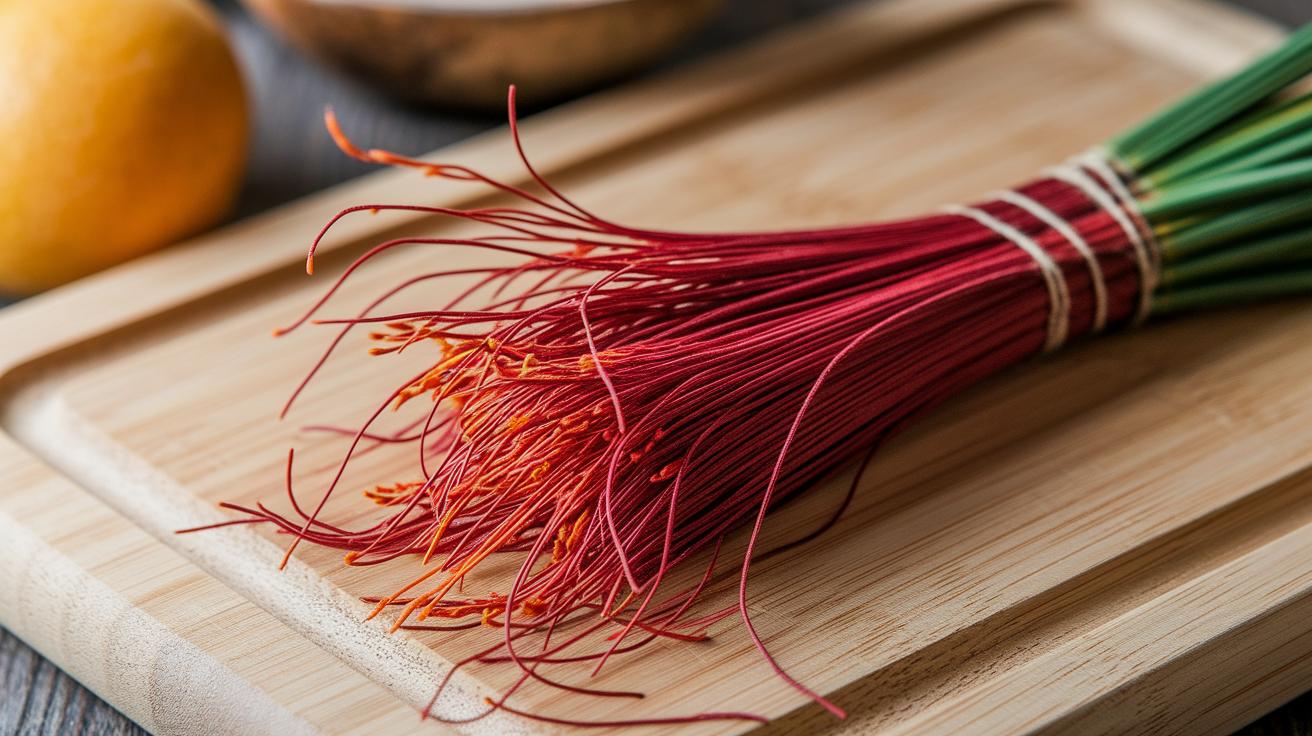
Good saffron is the secret to a great paella. Look for threads that are deep red with a touch of orange at the tips. They should have a rich, almost honeyed smell. This strong scent tells you the spice is full of flavor and color. Try rubbing a few threads between your fingers. If they leave behind a burst of red dust, you probably have quality saffron. Also, check the packaging, a smaller amount often means it’s fresher and more potent.
Proper Saffron Infusion
Start by heating olive oil in your pan and softening onions, bell peppers, and garlic. Next, sprinkle in your saffron along with spices like paprika and a bay leaf. Let them cook together for about 5 minutes so the saffron can release its bright yellow hue and subtle earthy taste. When the oil turns a lovely golden color, add your warmed broth or liquid. This method pulls out maximum flavor and colors your paella beautifully. Enjoy this simple step to make your dish both authentic and full of depth.
Paprika Varieties: Smoked, Sweet, and Heat Profiles in Paella
Types of Spanish Paprika
Spanish paprika comes in a few versions, and each one adds a special twist to your paella. Sweet paprika gives a light, fruity taste that blends well with a savory broth. Smoked paprika brings a deep, toasted flavor to the dish, while hot paprika adds a bit of heat without overpowering the other ingredients. Many cooks choose a mix of these types for a balanced taste. A small pinch of hot paprika can warm up the dish, and a spoonful of smoked paprika sets a rich, earthy tone. Adjust the mix to fit your taste if you are making chicken, seafood, or a combo pack.
Cooking with Paprika
When you start sautéing, add your chosen paprika along with minced garlic, chopped onions, and sliced bell peppers. Let the spices mix with the olive oil as the vegetables soften. This step helps the paprika release its color and essential oils, which builds a solid flavor base for your paella. Cook for about 5 minutes until the oil takes on a bright hue. This technique helps the paprika blend in without burning. Use amounts that match your flavor preference; a spoonful of smoked paprika gives a deep taste, while a dash of hot paprika brings extra zing. Experiment with the heat by adjusting your hot paprika, and watch how the flavors develop. Enjoy these tips in your next paella and delight in authentic Spanish taste.
Complementary Herbs and Seasoning Techniques for Paella
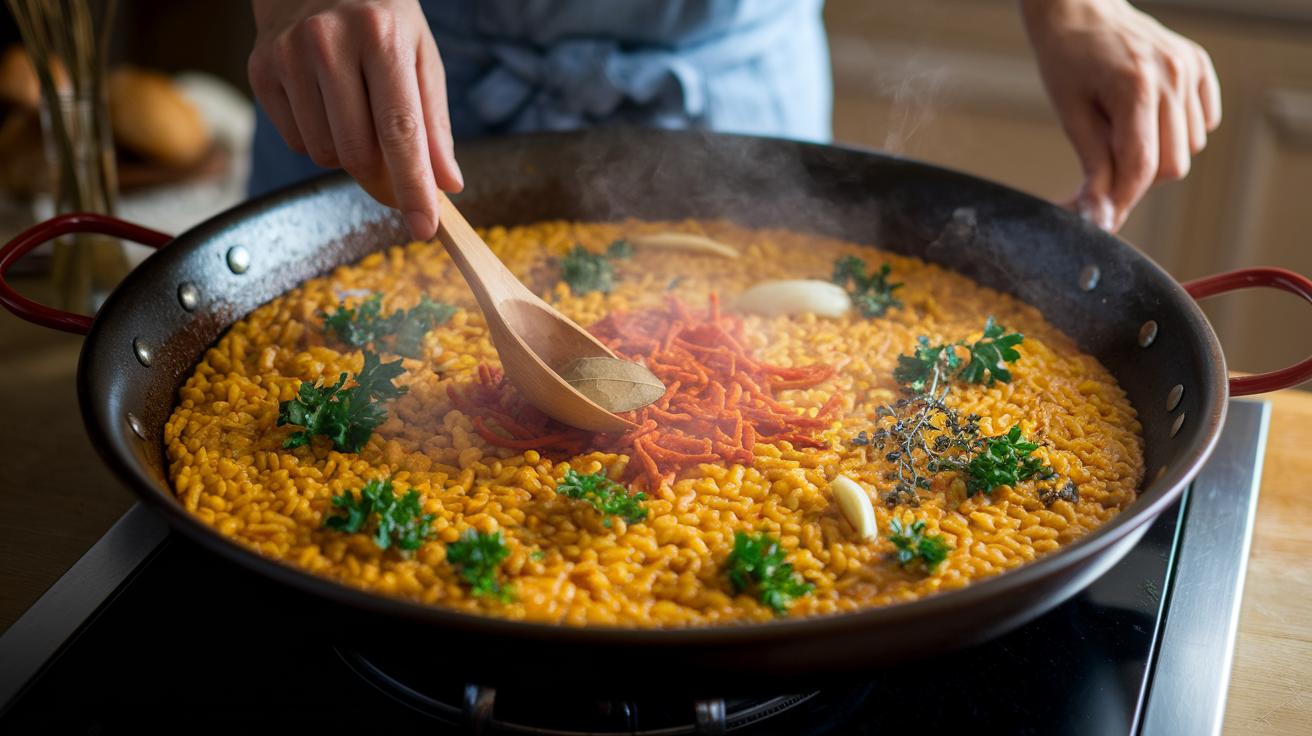
Layering flavors makes paella truly special. Along with saffron and paprika, adding a bay leaf during the sauté step builds a rich base. When you heat your olive oil and soften onions and garlic, mix in a bay leaf to boost the dish with a subtle herbal note.
Later, stir in fresh parsley and thyme to brighten up the paella. Their green, lively taste pairs nicely with the warm spices. Add them just a few minutes before the final simmer to keep their flavors fresh and clear.
At this point, mixing in extra garlic and savory aromatics deepens the smoky taste from your smoked paprika. The steady blend of all these flavors gives you a paella that's both hearty and fresh.
Try this tip: After adding your herbs and aromatics, let the mix sit for a minute so it soaks up all the essential oils. This simple step helps your paella shine with a balanced burst of classic Spanish flavor every time.
Sourcing and Storing Premium Paella Spices for Consistent Flavor
When you make a real paella, choosing good spices and looking after them makes all the difference. Saffron gives the dish its bright yellow color and a gentle earthy taste that makes Spanish food special. Always check the labels. For example, La Dalia Spanish Paella Seasoning comes in a 3.52 oz package with 1% saffron, showing its strength.
When picking your paella spices, compare package sizes and how much saffron is included. Smoked paprika usually comes in a 2.47 oz package, and sometimes spice blends include extra saffron. More saffron means a richer color and bolder flavor.
After you buy your spices, store them right. Place them in airtight containers and keep them in a dark, cool spot. Keeping them away from light and heat helps them retain their aroma and taste. Check your spices now and then to make sure they stay fresh and strong.
| Spice Blend | Package Size | Saffron Content |
|---|---|---|
| La Dalia Spanish Paella Seasoning | 3.52 oz | 1% |
| Smoked Paprika Variant | 2.47 oz | N/A |
| Custom Premium Blends | Varies | Enhanced |
Substitutes and Adjustments for Paella Seasoning
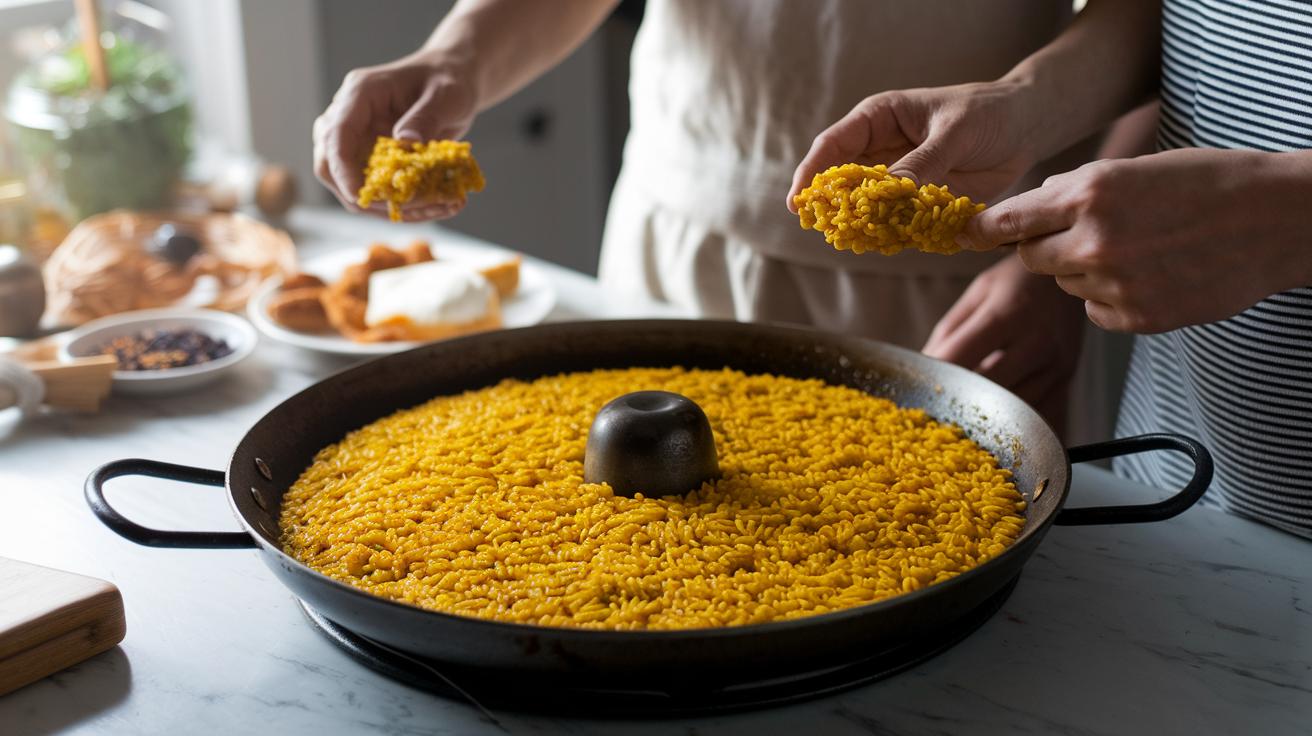
When you run out of saffron, try using turmeric instead. Turmeric gives your paella a bright yellow look, though its aroma is a little different. Use about 1/3 of the saffron amount and adjust more to taste. This shortcut keeps the traditional look while working with what you have on hand.
If you decide to swap seafood for extra chicken or add more vegetables, keep the spice balance in mind. Add an extra pinch of paprika if you like a smokier flavor. Feel free to tailor the spice amounts to match your personal tastes and available ingredients.
Follow these simple steps for a smooth transition:
- Start with a small amount of your substitute spice.
- Let the spices bloom in the pan for about 5 minutes.
- Taste the broth and add more gradually until you reach the flavor you enjoy.
This tested method lets you experiment with spice swaps and ingredient changes while keeping your paella vibrant and true to its Spanish roots.
Cultural Heritage of Paella Spices: History and Regional Traditions
Saffron and paprika give paella its special kick. In Valencia, these spices have been a kitchen staple for generations. In old Valencian kitchens, cooks treated them as treasures that spoke of local pride and flavor. Farmers once hand-picked saffron, loving its bright yellow color and earthy, soft taste. Paprika arrived on old trade routes and quickly became part of Spanish cooking, lending paella a rich, hearty flavor that honors the land.
Historical records tell us these spices were more than just seasonings, they were symbols of a deep cultural identity. Family recipes show how saffron is carefully steeped in warm broth and how paprika is added at just the right moment to bring out its full character. Today, chefs across regions still respect these traditions, making each paella a nod to time-honored methods.
Every pinch of saffron and dash of paprika ties modern cooks to a long history. Paella is a living celebration of Spanish culture and community, inviting us to enjoy a dish that tells a story with every bite.
Final Words
In the action of stirring your pan, every spice plays a key role. Saffron adds a bright, earthy touch while paprika fills each bite with a smoky kick. Techniques like proper infusion and timely additions help bring these flavors to life.
Smart choices in sourcing, storing, and even substituting make it easier to create reliable, flavor-packed meals. Embrace these paella spices and enjoy a stress-free, delicious meal that brightens your week.
FAQ
What are traditional paella spices and herbs?
Traditional paella spices and herbs include Spanish saffron for its signature color and earthy taste, smoked paprika for mild heat, bay leaf for depth, along with garlic, salt, and pepper.
What are the 10 essential ingredients for paella?
The 10 essentials often feature rice, chicken, seafood, saffron, smoked paprika, olive oil, garlic, onion, bell peppers, and peas to create a balanced and hearty paella.
What spices go well with paella?
Spices that go well with paella include Spanish saffron, smoked paprika, bay leaf, garlic, and a blend of salt and pepper, each adding a layer of rich flavor.
What is the secret ingredient in paella and which spice makes it taste unique?
The secret ingredient is saffron, which delivers a vibrant yellow hue and a subtle, earthy aroma that sets paella apart with its unique flavor.
Where can I find paella seasoning packets, such as those from Tesco?
Authentic paella seasoning packets are available at many supermarkets like Tesco and can also be found in specialty stores for a ready-to-use blend in your dish.
What is a basic paella recipe?
A basic paella recipe starts with sautéing onions, garlic, and bell peppers in olive oil, then adding rice, saffron, paprika, and proteins like chicken or seafood, simmering until tender.