
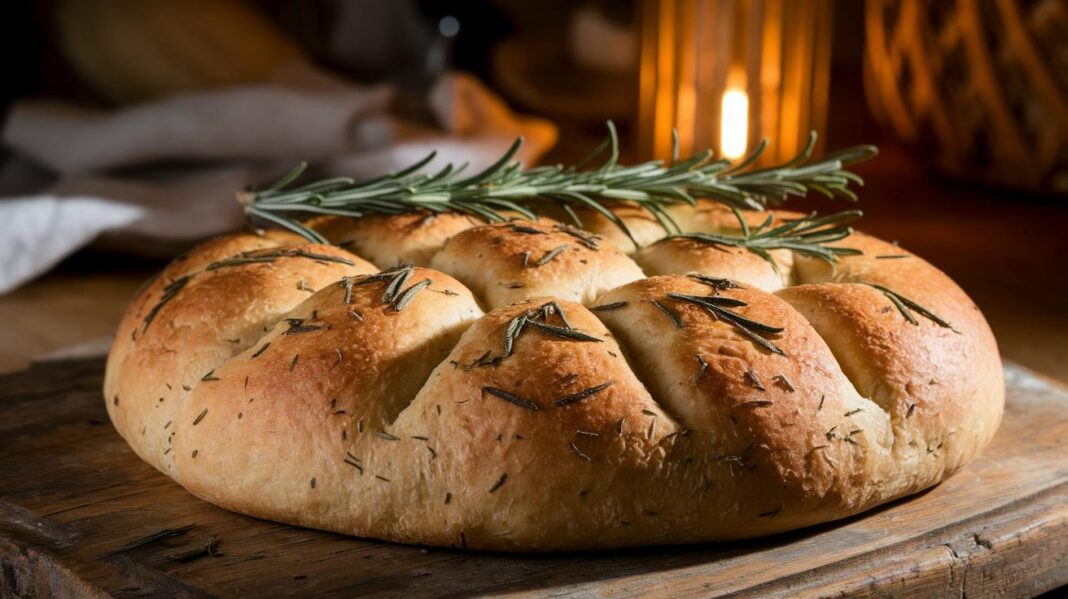

Have you ever noticed that homemade bread just feels extra special? This rosemary focaccia is simple and satisfying, featuring a chewy middle and a crisp, golden crust. Picture fresh rosemary and rich olive oil coming together to create little pockets of flavor in every piece. Baking your own focaccia fills your kitchen with warmth and gives you a treat that's perfect for sharing, or even keeping all to yourself. Enjoy every bite of this comforting, delicious bread.
Complete Step-by-Step Rosemary Focaccia Recipe
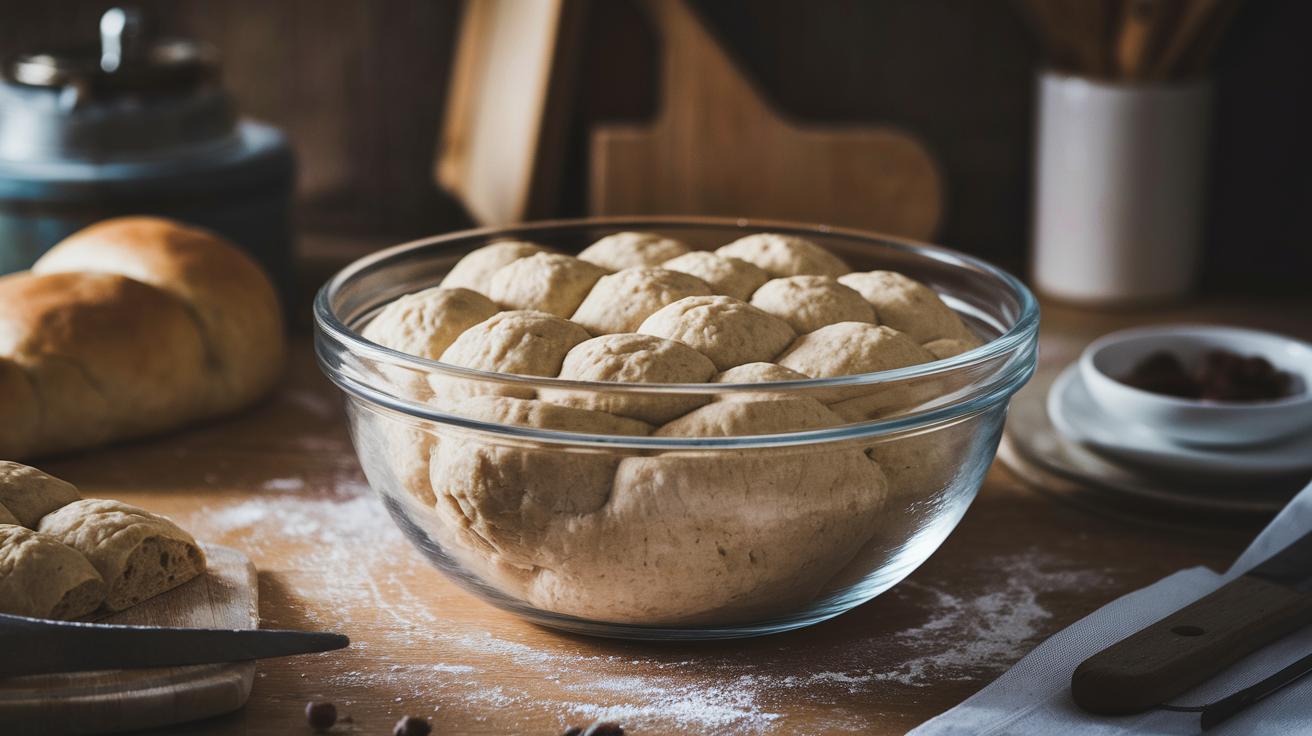
This focaccia has a chewy, soft center and a crispy outside. It’s full of fresh rosemary, pockets of olive oil, and a light crunch from flaky sea salt. You can bake a full pan and cut it in half if you need a smaller piece. It’s a comforting bread that tastes great warm or at room temperature.
- In a bowl, combine 2¼ teaspoons active dry yeast with 1⅓ cups warm water (110°F) and 1 teaspoon sugar. Let it sit for 5–10 minutes until frothy.
- Mix in the flour by hand or with a stand mixer fitted with a dough hook until the dough comes together. Cover it and let it rise at room temperature for about 1 hour until doubled in size.
- Transfer the dough to a lightly oiled pan. Use your fingers to press dimples all over the surface so the olive oil can seep in.
- Drizzle 3 tablespoons extra virgin olive oil on top. Sprinkle 2 tablespoons fresh rosemary and 1 teaspoon flaky sea salt evenly over the dough. For extra flavor, you can let the dough rest in the refrigerator for 16 hours.
- Preheat your oven to 375°F and bake the focaccia for 20–25 minutes until it turns golden brown with a crisp edge.
- Remove the bread from the oven and let it cool on a wire rack for about 10 minutes. This helps the crust set before slicing.
If you have leftovers, the focaccia freezes well. Just reheat it in a preheated oven for a few minutes to enjoy its crisp texture again.
In-Depth Look at Ingredient Functions
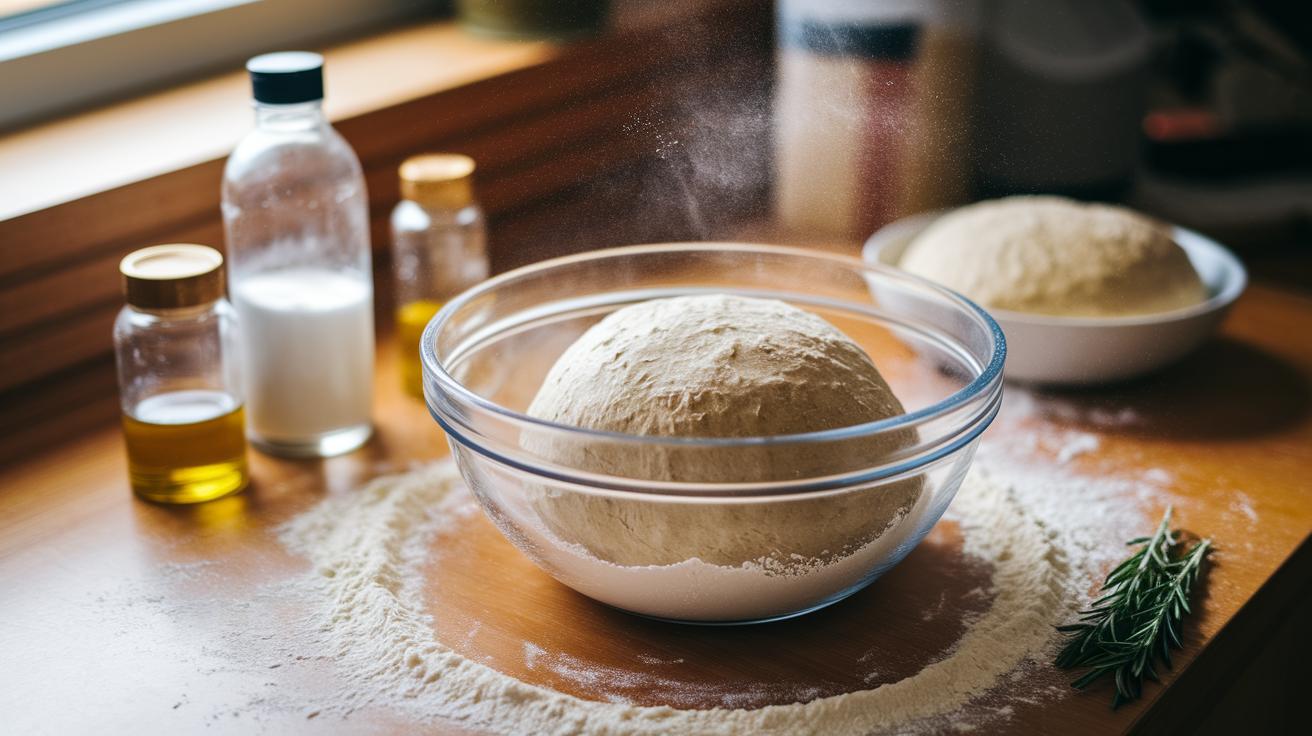
Mixing the focaccia dough shows how each ingredient plays its part. The 3 cups of flour build gluten that gives the dough its chewy center. The 1⅓ cups of warm water (110°F) hydrates the flour and wakes up the yeast. When you mix water, sugar, and yeast, you’ll see tiny bubbles form, a little sign that the dough is coming to life.
A teaspoon of sugar works with 2¼ teaspoons of active dry yeast to fuel fermentation and create a light, airy crumb. Then, 3 tablespoons of extra-virgin olive oil add richness and moisture for a crisp, flavorful crust. Meanwhile, 2 tablespoons of chopped fresh rosemary bring a fresh, herbal note, and 1 teaspoon of flaky sea salt finishes the dough with a pleasant crunch.
Dough Preparation and Proofing for Fluffy Rosemary Focaccia

Mix the dough by hand or use a stand mixer with a dough hook; both methods work well. For an easy no-knead option, stir the mixture for 2–3 minutes until it comes together. This recipe uses 75% water to flour, which creates a light, open crumb. Mixing by hand lets you feel the dough, while a mixer does most of the work.
After mixing, let the dough rest at room temperature for 1 hour until it doubles in size. For a richer flavor, you can also let it rest in the fridge overnight for about 16 hours. Check the dough by its look and feel, it should be soft, airy, and full of bubbles that show the yeast is active. This extra resting time deepens the rosemary flavor and gives the focaccia a fluffy interior.
Flavor Variations and Topping Ideas for Rosemary Focaccia

Focaccia starts with a tasty blend of rosemary and flaky sea salt. You can add a burst of flavor by mixing in a bit of minced garlic or other fresh herbs directly into the dough. This keeps the classic base taste while giving each bite a gentle herbal twist.
Try topping your focaccia with creative combinations. For example, arrange sliced olives with extra rosemary for a salty zing. You can also sprinkle sun-dried tomatoes with thyme for a tangy pop. Adding a few anchovy fillets with a touch of parsley can bring a deep, savory note. Or simply drizzle garlic-infused butter over the top just before serving for extra brightness. Each idea helps you explore new flavors while keeping the soft inside and crisp outside that make focaccia so special.
Baking Techniques for a Perfect Crisp and Soft Interior

Preheat your oven and baking sheet to 375°F. A hot oven makes a big difference in getting a crunchy edge and a soft center. Lightly oil your pan so the focaccia comes out easily when it’s done.
Place your dough-filled pan in the oven and bake for 20-25 minutes until the bread turns golden brown and the edges get nice and crisp. About halfway through, turn the pan for even browning on all sides.
When the focaccia is ready, take it out immediately. Drizzle a bit more olive oil, sprinkle flaky sea salt, and add a few rosemary sprigs over the hot bread. Let it rest on a wire rack for 10 minutes before slicing, so the crust can set and the flavors mix well.
Troubleshooting Common Rosemary Focaccia Challenges

Baking rosemary focaccia can sometimes be tricky. If your bread feels heavy, it might need more rising time. On the other hand, if the dough falls apart or has giant holes, it probably rose too long. A wet bottom usually means the pan wasn’t heated properly before you put the dough in. And if the rosemary tastes bitter, it could be that the herbs were too close to the heat. Keep an eye on these signs and make small changes to get a lighter, tastier loaf.
| Issue | Cause | Solution |
|---|---|---|
| Dense Crumb | Dough did not rise enough | Allow the dough to double in size during rising |
| Collapse or Large Holes | Dough over-risen | Watch the rise time and stop proofing before it over-expands |
| Soggy Bottom | Pan not preheated | Preheat your pan to the right temperature before adding the dough |
| Bitter Burnt Rosemary | Herbs too near the heat | Place the rosemary away from direct heat or add it later in the baking process |
Watch your dough closely as you work. A soft, bubbly dough means you are on track. Simple tweaks like heating your pan well or managing the rise time can help you bake the perfect focaccia every time.
Final Words
In the action, we covered every step, from mixing simple ingredients to creating a chewy, soft-centered focaccia with a crisp outside. We walked through proofing the yeast, shaping the dough, and drizzling olive oil with fresh rosemary and sea salt. Each tip helps prevent common pitfalls and brings out the perfect balance of flavors. Enjoy making your rosemary focaccia recipe, and savor every bite of this satisfying, home-cooked treat.
FAQ
Q: What are the key ingredients for a standout rosemary focaccia recipe?
A: The rosemary focaccia recipe uses simple ingredients like all-purpose flour, warm water, active dry yeast, olive oil, fresh chopped rosemary, and flaky sea salt to create a chewy interior and crisp crust.
Q: What is the secret to making good focaccia?
A: The secret to making good focaccia lies in properly proofing the yeast, achieving the right hydration, and baking at the correct temperature for a soft crumb and golden-brown edges.
Q: Should you chop rosemary for focaccia?
A: The question of whether to chop rosemary for focaccia is answered by using finely chopped rosemary to spread flavor evenly and avoid overly large pieces in each bite.
Q: How can I avoid burning rosemary on my focaccia?
A: The method to avoid burning rosemary on focaccia is to add the herbs carefully—either mix them into the dough or sprinkle them on later—and bake with proper heat placement to protect the delicate leaves.
Q: What is the best seasoning for focaccia?
A: The best seasoning for focaccia is a blend of flaky sea salt and extra virgin olive oil, which brings out the dough’s flavor; adding garlic or other herbs can further enrich the taste.
Q: Can sourdough be used to make rosemary focaccia?
A: The use of sourdough in rosemary focaccia brings a tangy note and robust texture, though it may require adjustments in rising time compared to a yeast-based recipe.
Q: Can rosemary focaccia bread be used for sandwiches?
A: Rosemary focaccia bread works well for sandwiches because its tender inside and crisp crust hold up nicely to fillings while adding a flavorful, herbaceous twist.